Healthy Cooking Special Editions Worth Adding to Your Shelf
The Taste of Home Healthy Cooking Special Edition leads this list for broad, everyday recipe coverage that fits most households. The EatingWell Healthy in a Hurry Special Issue suits anyone prioritizing fast weeknight meals, while the Woman’s World Healthy Cooking Special fits readers who want a lower-cost newsstand option.
The Taste of Home Healthy Cooking Special Edition leads this list because it covers a wide range of everyday meals, from breakfast to dinner, rather than narrowing in on one diet style or cooking method. Recipes lean toward familiar, approachable dishes rather than restrictive meal plans. Its main limitation is depth on any single topic, since broad coverage leaves less room for the structured, week-by-week plans found in more focused issues.
We compared published recipe focus, format and editorial angle across each special edition rather than cooking through every recipe ourselves.
Our top picks
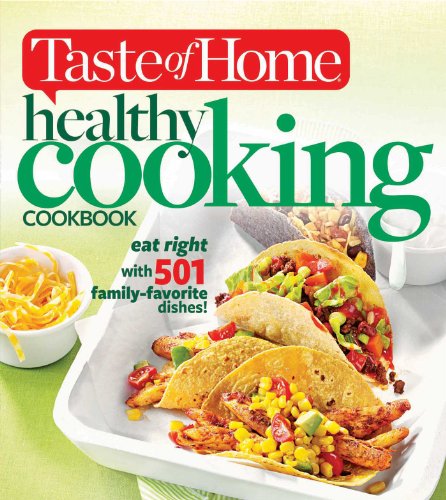
Taste of Home Healthy Cooking Special Edition
This single-issue magazine pulls recipes from the broader Taste of Home recipe network, filtered down to lighter, healthier versions of familiar dishes. Coverage spans breakfast, lunch, dinner and dessert rather than focusing on one meal type. Recipes include basic nutritional notes but avoid strict diet labeling, keeping the issue approachable for general readers. Its broad scope means less depth on any single dietary approach than a specialized issue.
Pros
- Broad recipe coverage across breakfast, lunch, dinner and dessert
- Approachable, familiar dishes rather than restrictive meal plans
- Draws from a large, tested recipe network
Cons
- Less depth on any single dietary approach than specialized issues
- Available only as a single newsstand-style issue, not a recurring subscription

EatingWell Healthy in a Hurry Special Issue
Recipes in this issue focus specifically on short prep and cook times, aimed at readers who want healthy dinners without a long evening in the kitchen. Many recipes include estimated total time alongside basic nutrition information. The format favors one-pan and sheet-pan style meals that cut down on cleanup. Readers looking for slow-cooked or more involved recipes will find fewer options than in broader healthy cooking issues.
Pros
- Recipes built around short prep and cook times
- One-pan style meals reduce cleanup
- Nutrition notes included alongside most recipes
Cons
- Fewer slow-cooked or more involved recipe options
- Narrower focus than general healthy cooking issues

Better Homes & Gardens Healthy Cooking Special Edition
This issue focuses on lightened-up versions of classic comfort foods, like casseroles and baked dishes, rather than introducing entirely new recipe categories. Side-by-side ingredient swaps explain how a dish was adjusted to reduce calories or fat. Photography and layout follow the same editorial style as the main Better Homes & Gardens magazine. Readers seeking dishes outside the comfort-food category will find less variety than in a broader issue.
Pros
- Focuses specifically on healthier comfort-food versions
- Ingredient swap notes explain the reasoning behind changes
- Familiar magazine layout and photography style
Cons
- Narrower recipe variety outside the comfort-food category
- Less structured than a full diet-plan style issue

Food Network Magazine Healthy Cooking Special
Recipes in this special draw from Food Network’s test kitchen process, with tips and shortcuts noted alongside each dish. The issue mixes recipes from multiple Food Network personalities rather than a single author’s voice. Sidebars cover ingredient swaps and cooking technique explanations in more depth than a typical single-topic issue. Its magazine-style layout, with ads and brand tie-ins, differs from a standalone cookbook format.
Pros
- Draws on test-kitchen tips and multiple contributor recipes
- Technique sidebars add context beyond the recipe itself
- Familiar Food Network editorial voice and photography
Cons
- Magazine-style layout includes ads unlike a standalone cookbook
- Multiple contributors can mean less consistency in recipe style

Southern Living Healthy Cooking Special Edition
This issue applies a healthier lens to Southern staples, like greens, cornbread and slow-cooked proteins, rather than general international healthy eating trends. Recipes often note regional ingredient substitutions that keep flavor close to the traditional version. The editorial voice matches the broader Southern Living magazine brand readers may already know. Its regional focus narrows appeal for readers outside that specific cooking tradition.
Pros
- Healthier takes on specifically Southern comfort dishes
- Ingredient substitution notes preserve traditional flavor
- Consistent editorial voice for existing Southern Living readers
Cons
- Regional focus narrows appeal outside Southern cooking traditions
- Fewer general or international recipe options

Cooking Light Diet Special Edition
Unlike the more general issues on this list, this special edition organizes recipes around a structured, multi-week eating plan rather than standalone dishes. Each week groups meals with estimated calorie counts and a shopping list format. The structure suits readers who want a plan to follow rather than picking recipes individually. Readers who prefer casual, pick-and-choose cooking may find the structured format more rigid than needed.
Pros
- Structured weekly plan suits readers who want built-in guidance
- Shopping list format simplifies grocery planning
- Calorie counts included alongside each meal
Cons
- More rigid structure than casual pick-and-choose cookbooks
- Less flexible for readers who prefer cooking by mood rather than plan

Woman’s World Healthy Cooking Special
This special edition covers healthy cooking basics at a lower price point than premium brand-name specials from larger publishers. Recipes lean toward quick, simple preparation with short ingredient lists. The smaller page count means less recipe variety than thicker premium issues. It suits readers who want a quick, affordable introduction rather than a deep, multi-week resource.
Pros
- Lower price than premium brand-name healthy cooking specials
- Short ingredient lists keep recipes simple to follow
- Approachable entry point for casual healthy cooking
Cons
- Smaller page count means less overall recipe variety
- Less editorial depth than test-kitchen-driven issues
How they compare
| # | Model | Format | Best for | Score | Price |
|---|---|---|---|---|---|
| 1 | Taste of Home Healthy Cooking Special Edition | Single-issue magazine special | Best Overall | 8.9 | Check price |
| 2 | EatingWell Healthy in a Hurry Special Issue | Single-issue magazine special | Best for Quick Weeknight Meals | 8.8 | Check price |
| 3 | Better Homes & Gardens Healthy Cooking Special Edition | Single-issue magazine special | Best for Comfort-Food Makeovers | 8.6 | Check price |
| 4 | Food Network Magazine Healthy Cooking Special | Single-issue magazine special | Best for Editorial and Test-Kitchen Depth | 8.7 | Check price |
| 5 | Southern Living Healthy Cooking Special Edition | Single-issue magazine special | Best for Southern and Comfort Cooking Angle | 8.4 | Check price |
| 6 | Cooking Light Diet Special Edition | Single-issue magazine special | Best for Structured Diet Plans | 8.3 | Check price |
| 7 | Woman’s World Healthy Cooking Special | Single-issue magazine special | Best Budget Newsstand Pick | 8.0 | Check price |
What to look for
What a healthy cooking special edition actually offers These single-issue magazines differ from a standard cookbook by focusing on one theme, like healthy eating, rather than a broad mix of topics. Recipe focus ranges from general everyday meals to narrower angles like quick weeknight dinners or structured diet plans. Publisher and editorial voice carry over from the parent magazine brand, whether that is Taste of Home, Food Network or a regional title like Southern Living. Page count and depth vary enough that two issues with similar covers can offer very different amounts of content.
Broad everyday coverage versus a narrow angle The Taste of Home Healthy Cooking Special Edition and Food Network Magazine Healthy Cooking Special both spread recipes across many meal types and cooking styles. Narrower issues, like the EatingWell Healthy in a Hurry Special or the Cooking Light Diet Special Edition, commit to one specific angle, whether that is speed or a structured plan. Readers who already know what they want, like faster dinners, benefit more from a narrow issue, while readers still exploring healthy cooking may prefer broader coverage first.
Regional and comfort-food specific issues Southern Living and Better Homes & Gardens both apply a healthier lens to a specific food tradition rather than general international recipes, whether that is Southern staples or classic American comfort dishes. These issues work best for readers who already enjoy that specific style of cooking and want lighter versions, rather than readers hoping to explore new cuisines. Ingredient substitution notes in these issues explain the reasoning behind each healthier swap, which adds educational value beyond the recipe itself.
Matching format to how a reader actually cooks Structured plan issues like the Cooking Light Diet Special Edition suit readers who want a built-in weekly guide rather than picking recipes on their own. Casual, broader issues like Taste of Home or Woman’s World suit readers who prefer flipping through and choosing what looks appealing that day. Budget also plays a role, since premium brand-name issues from larger publishers generally cost more than simpler newsstand specials with a smaller page count.
Questions worth asking
What is a special edition cooking magazine?
It is a single, standalone magazine issue focused on one theme, like healthy cooking, rather than a recurring monthly subscription.
Are these the same as a cookbook?
They are similar in content but typically shorter, with a magazine-style layout and sometimes advertising, unlike a bound cookbook.
Do healthy cooking specials include nutrition information?
Many include basic nutrition notes like calorie counts, though the level of detail varies by publisher and issue.
Can I find these issues again after they sell out?
Special edition magazines are often printed in limited runs, so availability can vary and reprints are not guaranteed.
Which issue is best for someone new to healthy cooking?
A broad issue like the Taste of Home Healthy Cooking Special Edition suits beginners better than a narrowly focused or structured plan issue.
Do any of these follow a specific diet like keto or paleo?
None of the issues on this list commit to one strict named diet, focusing instead on general healthy eating or structured calorie-based plans.
Is the Cooking Light Diet Special Edition still being published?
Cooking Light shifted to special edition and digital content after ending its regular monthly magazine, and special issues under the brand continue to appear periodically.
Are regional issues like Southern Living’s useful outside that region?
Yes, though the recipes lean toward a specific regional food tradition, which may appeal less to readers seeking general or international recipes.
Final word
Readers who want one issue covering the widest range of healthy everyday meals should choose the Taste of Home Healthy Cooking Special Edition. Anyone focused specifically on getting dinner on the table fast should pick the EatingWell Healthy in a Hurry Special Issue instead, since its recipes are built around short prep and cook times. Readers who want built-in weekly structure rather than picking recipes individually should skip the general issues and go with the Cooking Light Diet Special Edition.
Dana Whitfield
Dana spent eight years buying and merchandising for a regional kitchenware retailer before moving into editorial work. She has handled thousands of SKUs across cookware, small appliances and kitchen organization, and focuses on the practical differences that matter once a product is actually in daily use.


