Top Handheld Gaming Consoles Ranked for Every Player
The Steam Deck OLED is the top handheld for most players, offering a massive PC game library with desktop-class performance. Its main limitation is battery life under heavy load. If you prefer exclusive Nintendo titles, the Switch OLED remains a solid choice.
Handheld consoles have evolved beyond simple portable play. Modern devices offer desktop-level graphics, vast libraries, and cloud gaming. This roundup covers the best options across different needs and budgets.
Whether you prioritize exclusive titles, raw power, or affordability, there is a handheld for you. We analyzed specifications and community feedback to help you decide.
How to pick the right one
What we recommend

Steam Deck OLED
The Steam Deck OLED refines the original with a vibrant HDR OLED screen, improved battery life, and a lighter build. It runs thousands of Steam games, with impressive performance for demanding titles. The trackpads and customizable controls offer flexibility. However, it is bulky and not as user-friendly for non-tech users.
Pros
- Vast game library
- High-quality OLED display
- Strong performance
- Customizable controls
Cons
- Large and heavy
- Battery drains fast on AAA titles

Nintendo Switch OLED
The Switch OLED is the definitive Switch model, featuring a vivid OLED screen, enhanced speakers, and a wide adjustable stand. It remains the go-to for Mario, Zelda, and other first-party games. Its hybrid design allows TV and handheld play. But its hardware is aging and lacks 4K output.
Pros
- Excellent exclusive library
- Hybrid play modes
- Great OLED screen
- Family-friendly
Cons
- Underpowered compared to rivals
- No 4K when docked

ASUS ROG Ally
The ROG Ally runs Windows 11, allowing access to Game Pass and all PC stores. Its 120Hz display and powerful AMD Z1 Extreme processor deliver smooth gameplay. The device is lighter than the Steam Deck but has a shorter battery life. Some users find Windows navigation clunky on a handheld.
Pros
- High refresh rate display
- Windows compatibility
- Powerful performance
- Lightweight design
Cons
- Short battery life
- Windows interface not optimized for handheld
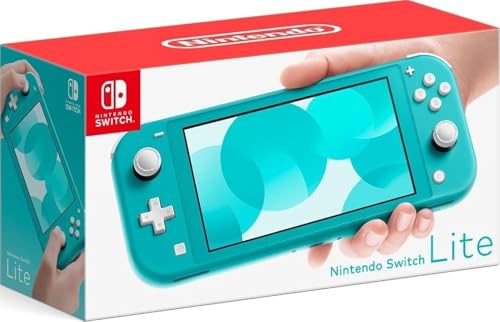
Nintendo Switch Lite
The Switch Lite is a compact, dedicated handheld version of the Switch. It lacks detachable Joy-Cons and TV output, but it is lighter and more affordable. It plays the same game library, making it a great entry point. However, some games require separate controllers.
Pros
- Affordable price
- Compact and portable
- Full Switch library
- Good battery life
Cons
- No TV output
- No detachable controllers
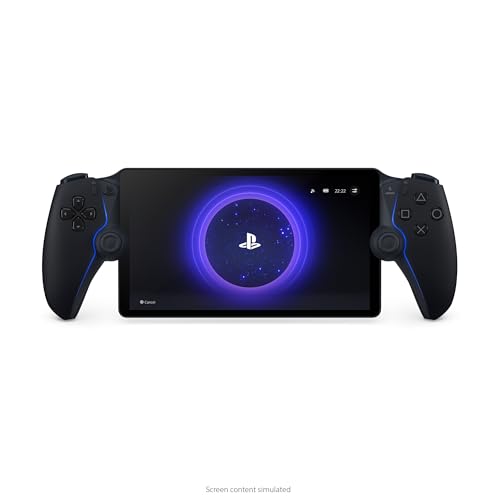
PlayStation Portal
The PlayStation Portal is a dedicated remote player for the PS5. It streams games over Wi-Fi, offering a full DualSense experience with a large LCD screen. It is not a standalone console and requires a stable internet connection. Owners report minimal lag on good networks.
Pros
- Excellent DualSense features
- Large screen
- Seamless PS5 integration
- Good battery life
Cons
- Requires PS5 and Wi-Fi
- No Bluetooth audio

Logitech G Cloud
The Logitech G Cloud is designed for cloud gaming, supporting Xbox Cloud Gaming, NVIDIA GeForce NOW, and more. It has a comfortable ergonomic design and a long-lasting battery. It runs Android, so you can also install native mobile games. However, it lacks the power for local AAA gaming.
Pros
- Excellent battery life
- Comfortable controls
- Great for cloud gaming
- Android app support
Cons
- Weak local performance
- Cloud gaming requires strong internet

AYANEO Air 1S
The AYANEO Air 1S is a premium Windows handheld with a 5.5-inch OLED screen, making it extremely portable. It packs an AMD Ryzen 7 7840U processor, capable of running many modern games. Its small size and high price target dedicated enthusiasts. Battery life is modest.
Pros
- Compact OLED screen
- Powerful performance
- Windows compatibility
- Lightweight
Cons
- Short battery life
- Expensive
How they stack up
| # | Model | Screen | Best for | Score | Price |
|---|---|---|---|---|---|
| 1 | Steam Deck OLED | 7.4-inch OLED, 1280×800, 90Hz | PC gamers who want a vast library on the go | 9.4 | Check price |
| 2 | Nintendo Switch OLED | 7-inch OLED, 1280×720 | Families and fans of Nintendo exclusives | 9.1 | Check price |
| 3 | ASUS ROG Ally | 7-inch IPS, 1920×1080, 120Hz | Windows gamers who want high performance and compatibility | 8.9 | Check price |
| 4 | Nintendo Switch Lite | 5.5-inch LCD, 1280×720 | Budget-conscious gamers who play only handheld | 8.4 | Check price |
| 5 | PlayStation Portal | 8-inch LCD, 1080p, 60Hz | PS5 owners who want to play their games remotely | 8.1 | Check price |
| 6 | Logitech G Cloud | 7-inch IPS, 1920×1080, 60Hz | Cloud gaming enthusiasts who want a lightweight device | 8.0 | Check price |
| 7 | AYANEO Air 1S | 5.5-inch OLED, 1920×1080 | Enthusiasts who want a powerful yet ultra-portable Windows handheld | 8.0 | Check price |
Frequently asked questions
Can I play PC games on handheld consoles?
Yes, handhelds like the Steam Deck and ROG Ally run Windows or SteamOS, allowing you to play PC games. However, not all games are compatible, and some may require tweaking for optimal performance.
Do handheld consoles support cloud gaming?
Many do. For example, the Logitech G Cloud is designed for cloud gaming, and the ROG Ally can access Xbox Cloud Gaming. The Switch and other dedicated consoles do not natively support cloud gaming services.
What is the difference between the Switch OLED and the Switch Lite?
The Switch OLED has a larger OLED screen, detachable Joy-Cons, and TV output, while the Switch Lite is a smaller, cheaper handheld-only version. The Lite cannot connect to a TV and has fixed controls.
How important is battery life in a handheld?
Battery life is crucial for portable play. If you plan long sessions away from power, you might prefer a device with longer battery life like the Switch Lite or G Cloud. High-performance devices often drain faster.
Can I use external controllers with handheld consoles?
Yes, many handhelds support Bluetooth controllers. The Switch has detachable Joy-Cons, while others like the Steam Deck allow connection of external gamepads. The ROG Ally and G Cloud also support Bluetooth controllers.
Are handheld consoles suitable for multiplayer gaming?
Some support local multiplayer or online play. The Switch is famous for local co-op with multiple controllers. Others like the Steam Deck allow online multiplayer through PC platforms. Cloud gaming devices can stream multiplayer titles.
Do all handheld consoles have expandable storage?
Most have microSD slots, but some like the Steam Deck OLED and ROG Ally use NVMe SSDs with options for expansion. The PlayStation Portal lacks local storage as it streams entirely.
What is the best handheld for emulation?
The Steam Deck and ROG Ally are popular for emulation due to their powerful processors and versatile operating systems. They can run emulators for older consoles. The Switch is also capable but more limited.
Can I play Nintendo Switch games on other handhelds?
No, Switch games are exclusive to Nintendo’s hardware. Other handhelds cannot play them unless you use emulation, which is not officially supported and may have performance issues.
How do I choose between a Windows handheld and a dedicated console?
Consider your game library. If you own many PC games or subscribe to Game Pass, a Windows handheld like the ROG Ally might be better. If you prefer Nintendo exclusives, choose a Switch model. The Steam Deck is a middle ground with a PC library and a console-like interface.
Our pick
For most gamers, the Steam Deck OLED is the best overall choice due to its vast library and performance. If you prioritize Nintendo games, the Switch OLED is the way to go. Budget buyers should get the Switch Lite, while those with a PS5 may find the PlayStation Portal useful. Cloud gaming fans should consider the Logitech G Cloud. Enthusiasts wanting a compact powerhouse can look at the AYANEO Air 1S, and Windows gamers who want high refresh rates might prefer the ROG Ally.
Marcus Chen
Marcus covered consumer electronics for enthusiast tech publications for six years before joining ChoiceCrest. He specializes in translating manufacturer spec sheets into plain-language buying advice, with a focus on audio, computing accessories and smart-home gear.


