Hammers for DIY Projects: Top Picks for Every Task
The Estwing E3-16C is our top pick for DIYers because it offers a perfect balance of durability and comfort, though its one-piece steel construction can transfer more vibration than composite designs.
A good hammer is the backbone of any DIY toolkit. Whether you’re hanging pictures, building a deck, or assembling furniture, the right hammer makes the job easier and safer.
We compared seven top-rated hammers to find the best for various DIY tasks. From lightweight finish hammers to heavy framing tools, there’s a perfect match for your needs.
The best picks, ranked

Estwing E3-16C Curved Claw Hammer
The Estwing E3-16C is a classic American-made hammer with a solid steel head and handle. Its shock reduction grip minimizes vibration, making it comfortable for extended use. Owners report it feels balanced and powerful for driving and pulling nails.
Pros
- Durable one-piece steel construction
- Comfortable shock reduction grip
- Well balanced for precise strikes
Cons
- Heavier than composite hammers
- Steel handle can get cold in winter

Stanley 51-163 16 oz Fiberglass Hammer
The Stanley 51-163 is a reliable, affordable hammer with a fiberglass handle that absorbs shock. Its anti-slip grip ensures a secure hold. It’s a great choice for beginners or for basic home repairs.
Pros
- Very affordable price point
- Shock absorbing fiberglass handle
- Good grip even with gloves
Cons
- Not as durable as steel or titanium
- Heavier head may fatigue some users

DEWALT DWHT51034 16 oz Rip Claw Hammer
The DEWALT DWHT51034 features a forged steel head and a patented overstrike guard that protects the handle. Its rip claw is ideal for prying and demolition. Users find it powerful and well balanced for heavy tasks.
Pros
- Overstrike guard reduces breakage
- Rip claw for prying
- Strong forged steel head
Cons
- Grip may be slippery with sweat
- Slightly heavier than expected

Stiletto Tools TB15MC 15 oz Titanium Hammer
The Stiletto TB15MC is a high-end titanium hammer that reduces arm fatigue. Its milled face helps prevent glancing blows. Though expensive, owners say it’s worth the investment for its durability and performance.
Pros
- Lightweight titanium reduces fatigue
- Milled face grips nails
- Excellent balance
Cons
- High cost
- Titanium can be brittle if struck incorrectly
Fiskars 750130-1001 16 oz IsoCore Hammer
The Fiskars IsoCore hammer uses patented IsoCore technology to absorb strike shock and reduce vibration. Its anti-slip grip is comfortable, and the head is precision ground for accuracy. Users report less hand fatigue.
Pros
- Reduces vibration by up to 70%
- Comfortable non-slip grip
- Smooth striking face
Cons
- Handle may be long for some
- Not as rugged as steel hammers
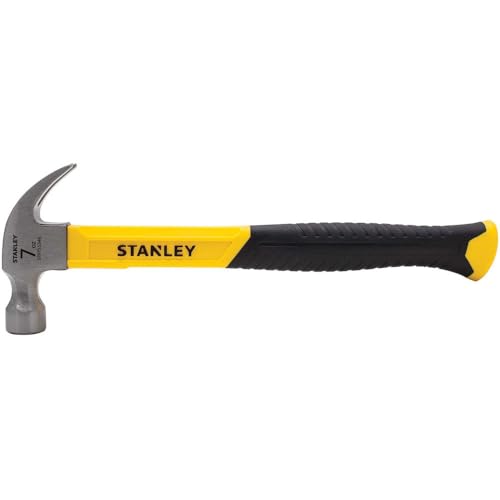
Stanley 54-105 7 oz Steel Hammer
The Stanley 54-105 is a lightweight 7 oz hammer perfect for finish work, crafts, and small nails. Its steel construction is durable, and the ergonomic handle offers a comfortable grip. Ideal for precision tasks.
Pros
- Lightweight for fine work
- Durable steel head
- Comfortable grip
Cons
- Too light for heavy framing
- Short handle reduces leverage

TEKTON 30809 16 oz Fiberglass Hammer
The TEKTON 30809 offers a fiberglass handle and a polished face. It provides a solid striking surface and a comfortable grip. Its price makes it an excellent value for DIYers who want quality without a high cost.
Pros
- Low cost
- Vibration reducing handle
- Polished face for clean strikes
Cons
- Not as durable as premium brands
- Grip may wear over time
How to choose
Side by side
| # | Model | Head Weight | Best for | Score | Price |
|---|---|---|---|---|---|
| 1 | Estwing E3-16C Curved Claw Hammer | 16 oz | All-around DIY projects | 9.4 | Check price |
| 2 | Stanley 51-163 16 oz Fiberglass Hammer | 16 oz | Everyday household tasks | 8.8 | Check price |
| 3 | DEWALT DWHT51034 16 oz Rip Claw Hammer | 16 oz | Framing and demolition | 9.1 | Check price |
| 4 | Stiletto Tools TB15MC 15 oz Titanium Hammer | 15 oz | Professionals and serious DIYers | 9.0 | Check price |
| 5 | Fiskars 750130-1001 16 oz IsoCore Hammer | 16 oz | Reducing vibration and impact | 8.9 | Check price |
| 6 | Stanley 54-105 7 oz Steel Hammer | 7 oz | Light work and finish tasks | 8.5 | Check price |
| 7 | TEKTON 30809 16 oz Fiberglass Hammer | 16 oz | General purpose with budget | 8.7 | Check price |
Frequently asked questions
What is the best hammer for general DIY use?
A 16 oz curved claw hammer with a fiberglass handle is ideal for most DIY projects. It offers good balance, durability, and comfort. The Estwing E3-16C is a top choice.
What is the difference between a rip claw and a curved claw hammer?
A rip claw has a straight claw used for prying and demolition. A curved claw is better for pulling nails. For general DIY, a curved claw is versatile, but if you do framing or demolition, a rip claw is useful.
How much should a DIY hammer weigh?
A 16 oz hammer is suitable for most DIY tasks. If you do heavy framing, consider a 20 oz or heavier. For light work, a 7 to 13 oz hammer offers more control.
Are titanium hammers worth the cost?
Titanium hammers are lighter and reduce fatigue, which is beneficial for prolonged use. However, they are expensive. If you’re a professional or serious DIYer, they may be worth it; otherwise, a good steel or fiberglass hammer is sufficient.
Can I use a hammer for prying?
You can use the claw for pulling nails, but avoid using the side of the head for prying. Some hammers have a rip claw designed for prying, but for heavy demolition, use a pry bar.
What is the best hammer for finish work?
A lighter hammer, such as a 7 oz or a 13 oz curved claw, is best for finish work because it allows precise control. The Stanley 54-105 is a good option.
How do I maintain my hammer?
Keep the handle dry and clean. Check for cracks or damage regularly. If the head becomes loose, tighten it or replace the handle. Store in a dry place to prevent rust.
What is the difference between a fiberglass and steel handle?
Fiberglass handles absorb shock and are lighter, making them comfortable for many users. Steel handles are extremely durable but transfer more vibration. Choose based on your comfort and durability needs.
Can I use a hammer for metalworking?
No, use a ball peen hammer for metalworking. Claw hammers are for wood and general construction. Using the wrong hammer can damage the hammer or the workpiece.
How do I choose the right hammer grip?
Look for a grip that is non-slip and comfortable in your hand. Rubberized grips reduce fatigue. Test the hammer in person if possible to ensure it feels balanced and natural.
Our take
For most DIYers, the Estwing E3-16C offers the best combination of durability, comfort, and performance. If you’re on a budget, the Stanley 51-163 is a solid choice. For those who prioritize comfort and vibration reduction, the Fiskars IsoCore is excellent.
Jake Monroe
Jake worked as a residential contractor for over a decade before shifting to full-time writing. He evaluates power tools, hand tools and workshop gear through the lens of someone who has actually used them on job sites, not just read the box.

