How to Pick a Garage Door Controller for Your Opener
The Chamberlain myQ Smart Garage Control fits the widest range of openers, making it the safest bet for most homes. Tailwind iQ3 adds local control and real automation. Meross MSG100 covers HomeKit and Alexa users without a subscription.
Compatibility with your existing opener decides almost everything in this category. The Chamberlain myQ Smart Garage Control fits the broadest set of openers, the Tailwind iQ3 adds local control and real automation, and the Meross MSG100 covers the basics for less.
Openers built after roughly 2011 use rolling code security that handles wired triggers differently, and some brands block third-party control outright. Subscription requirements rarely appear clearly in listings, and neither does whether a device still works during an internet outage. We compared compatibility lists, wiring requirements, sensor design and integration support, then ranked each controller on how reliably it opens a door you already own.
What to look for
Check compatibility before anything else Openers made from roughly 2011 onward often use security protocols that block a simple wired trigger, and some brands restrict third-party control outright. Every manufacturer publishes a compatibility list keyed to opener brand, model and manufacture year, printed right on the motor unit. Two minutes spent checking that list prevents the single most common reason these devices get returned.
Wired trigger versus wireless pairing Two low-voltage leads connect a wired controller to the opener’s push-button terminals, simple electrically but requiring wire runs along the ceiling. Wireless systems instead learn the opener’s remote code, skipping the wiring at the cost of a narrower compatibility list. Neither approach is inherently more reliable, so opener support and ceiling access should decide which one you pick.
Local control, cloud accounts and subscriptions Commands on most of these controllers route through the manufacturer’s servers, so an internet outage leaves the app unable to open the door. Tailwind’s local API and the Z-Wave option both sidestep that problem, which matters most if you rely on the app instead of a physical remote. Some platforms also gate certain integrations behind a paid tier, so confirm what your chosen assistant actually requires.
Safety and the door itself A door moving without anyone watching is the reason these controllers include audible warnings and require working photo eye sensors. Reversing sensors should stop the door on any obstruction, and springs and rollers should be in good order before adding a smart device. A smart controller cannot make an unsafe door safe, and owners report that most closing failures trace back to misaligned photo eyes rather than the app itself.
The best picks, ranked
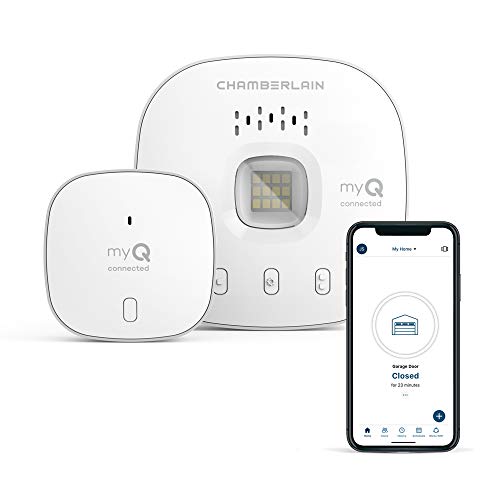
Chamberlain myQ Smart Garage Control MYQ-G0401
LiftMaster and Chamberlain make this unit, so its compatibility list reaches further than any other controller here, including several older third-party brands. A wireless door sensor pairs with a learning hub that reads most opener remotes directly. Wiring questions rarely come up during setup as a result.
Pros
- Broadest opener compatibility
- Straightforward guided setup
- Reliable notifications
Cons
- Some integrations need a subscription
- Cloud dependent, no local API
Tailwind iQ3 Smart Automatic Garage Door Controller
A local API opens the door without routing through the cloud, and geofencing triggers it automatically as you arrive. Owners report using that arrival feature most once setup is finished. Up to three doors run from a single unit, and a built-in vehicle sensor prevents accidental openings from a passing phone.
Pros
- Works locally without the cloud
- Genuine hands free arrival opening
- Handles multiple doors
Cons
- Wiring to the opener terminals needed
- Higher cost than basic hubs
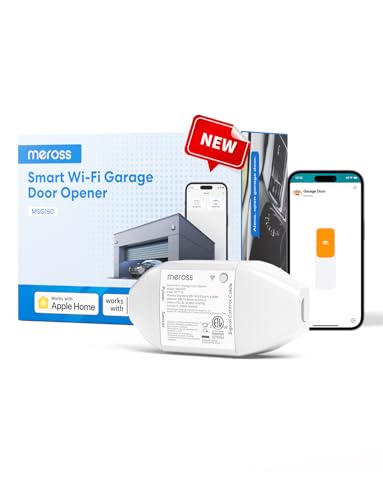
Meross MSG100 Smart Wi-Fi Garage Door Opener
Apple Home, Alexa and Google all work here without a subscription, which is unusual at this price. A wired door position sensor tracks open and closed states accurately. Running a short pair of wires to the opener terminals is the only real setup task, usually done with a step ladder in under ten minutes.
Pros
- No subscription for integrations
- Works with Apple Home
- Low cost
Cons
- Requires wiring at the opener
- Not compatible with some rolling code models

Genie Aladdin Connect Smart Garage Door Opener
Genie built this as its own retrofit controller, so it pairs cleanly with Genie openers while still supporting many other brands through a wired connection. Multiple doors can run from one unit with extra sensors. A brand-badged opener already on your garage makes this the natural first choice.
Pros
- Native fit for Genie hardware
- Expandable to three doors
- No ongoing fee for core features
Cons
- App has been reworked several times
- Wiring run can be awkward
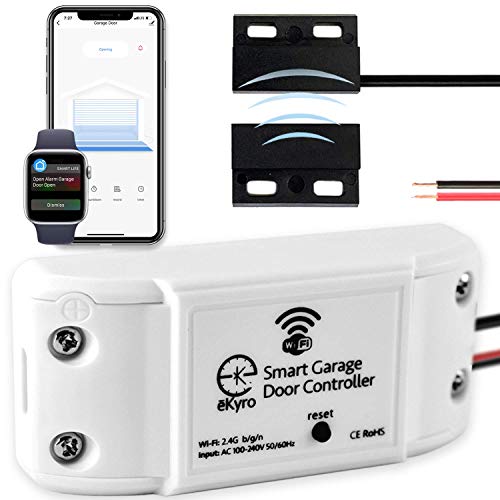
NEXX Garage NXG-200 Smart Wi-Fi Garage Door Opener
A plug-in hub with a simple pairing routine avoids most terminal wiring entirely. Getting this running in an afternoon is realistic for most owners, faster than any wired option on this list. Automation stays basic compared with Tailwind, but the tradeoff suits anyone who just wants app control quickly.
Pros
- Fast, low fuss installation
- Clear app notifications
- Works with common assistants
Cons
- Limited automation features
- One door per unit
Refoss Smart Garage Door Opener
App and voice control cover the core job here, opening, closing, and alerting you if the door stays up, without any subscription fee. Wired setup uses a door position sensor for accurate status readings. Owners describe day-to-day operation as solid, while the app itself gets called functional rather than polished.
Pros
- Lowest outlay here
- No recurring fees
- Simple, dependable alerts
Cons
- No Apple Home support
- Basic app design
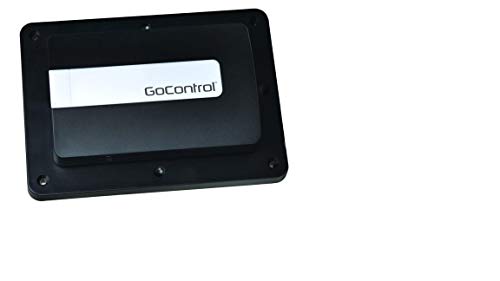
GoControl Linear GD00Z-8-GC Z-Wave Garage Door Controller
A Z-Wave hub, rather than your Wi-Fi network, controls this unit, which suits homes already running SmartThings, Hubitat or a similar system. Garage control stays entirely off the internet as a result. A built-in siren and light sound a pre-movement warning, which is required for any remote-operated door.
Pros
- No cloud account needed
- Fits existing Z-Wave systems
- Built in safety warning
Cons
- Requires a compatible hub
- No standalone app
The lineup, side by side
| # | Model | Compatibility | Best for | Score | Price |
|---|---|---|---|---|---|
| 1 | Chamberlain myQ Smart Garage Control MYQ-G0401 | Most major opener brands since 1993 | Best overall | 9.4 | Check price |
| 2 | Tailwind iQ3 Smart Automatic Garage Door Controller | Up to 3 from one unit | Best for automation | 9.2 | Check price |
| 3 | Meross MSG100 Smart Wi-Fi Garage Door Opener | 1, expandable models available | Best value | 9.0 | Check price |
| 4 | Genie Aladdin Connect Smart Garage Door Opener | Up to 3 with extra sensors | Best for Genie openers | 8.8 | Check price |
| 5 | NEXX Garage NXG-200 Smart Wi-Fi Garage Door Opener | 1 per unit | Best for simple setup | 8.6 | Check price |
| 6 | Refoss Smart Garage Door Opener | 1, two door models available | Best budget | 8.3 | Check price |
| 7 | GoControl Linear GD00Z-8-GC Z-Wave Garage Door Controller | Z-Wave Plus | Best for Z-Wave homes | 8.0 | Check price |
Good to know
Will a smart controller work with my old opener?
Openers from the 1990s onward are usually supported through a wired trigger. Newer rolling code models often need a brand-matched controller instead. Check your opener’s model and year against the manufacturer’s compatibility list before ordering.
Do I need a subscription for a smart garage controller?
Basic app control needs no subscription on any of these. Certain integrations or extended history features get gated behind a paid tier on some platforms, while Meross, Refoss and the Z-Wave option avoid fees entirely.
Can I open my garage door if the internet is down?
Only a controller with local control keeps working, such as Tailwind or a Z-Wave device on a local hub. Cloud-based systems stop responding during an outage, though your handheld remote and wall button still function normally.
Is it safe to open a garage door remotely from an app?
Safety depends on the photo eye sensors working correctly and the controller sounding a warning before movement starts. Never operate a door remotely if the reversing sensors are known to be faulty or bypassed.
Which smart garage controllers work with Apple Home?
Meross supports Apple Home directly out of the box. Several others reach it through a bridge or a home automation platform instead. Chamberlain’s third-party integration policy has shifted over time, so check current support before ordering.
How hard is it to install a smart garage door controller?
Wired models take about half an hour with a step ladder, a screwdriver, and two low-voltage leads run to the opener terminals. Wireless models install faster but only work if your opener is on the supported list.
Can one controller run two garage doors?
Tailwind and Genie both support multiple doors from a single unit with additional sensors. Meross also offers a two-door variant, while most other controllers here handle just one door each.
What happens to a smart garage controller during a power cut?
The opener motor will not run without power, so the door has to be released and lifted manually using the emergency cord. Smart controllers add no battery backup unless the opener itself already includes one.
Is a wired or wireless garage controller better?
Wired controllers offer broader compatibility since they trigger the opener directly through its terminals. Wireless controllers skip the wiring but only work with openers whose remote code they can learn. Your specific opener model should decide which fits.
Do smart garage controllers work with Google Assistant?
Most models on this list support Google Assistant, including Chamberlain, Tailwind, Meross, Genie, NEXX and Refoss. Voice commands generally cover opening, closing, and status checks once the integration is linked.
The bottom line
The Chamberlain myQ Smart Garage Control fits most homes simply because it works with the widest range of openers, the question that decides this category. Choose the Tailwind iQ3 for geofenced arrival opening that keeps working without internet, or the Meross MSG100 for Apple Home support without fees. Confirm your opener model against the compatibility list before ordering, and check your photo eye sensors while you are up the ladder.
Marcus Chen
Marcus covered consumer electronics for enthusiast tech publications for six years before joining ChoiceCrest. He specializes in translating manufacturer spec sheets into plain-language buying advice, with a focus on audio, computing accessories and smart-home gear.