Frying Pans Rated for Even Heat and Nonstick Life
The Lodge Cast Iron Skillet handles the widest range of jobs and lasts decades for a low price. Owners who want fast cleanup for eggs should pick the T-fal Professional nonstick, while cooks chasing a hard sear and pan sauces get more from the All-Clad D3 stainless.
Eggs, a seared steak and a pan sauce rarely come from the same pan well. Lodge’s Cast Iron Skillet covers the most ground for the least money, searing hard while lasting for decades. T-fal’s Professional nonstick wins on speed and cleanup, and the All-Clad D3 stainless builds the fond that great pan sauces need.
Frying pans resist easy comparison because nonstick, stainless steel and cast iron each dominate a different job, and a pan that flips an omelet perfectly can fail badly at searing a steak. We judged heat control and evenness, searing ability, durability, oven and induction compatibility and cleanup effort, drawing on published specifications and what long-term owners report.
Before you buy
Nonstick, stainless or cast iron: which do you actually need? Each material wins at a different job. Nonstick handles eggs, delicate fish and fast cleanup, but the coating wears out and cannot take a hard sear. Stainless steel browns beautifully and lasts a lifetime, at the cost of technique to stop sticking. Cast iron holds heat like nothing else for searing and roasting, though weight and care needs go up. Many kitchens keep one of each.
How much does heat control and evenness matter? A good frying pan spreads heat evenly so food does not scorch in one spot and steam in another. Multi-ply stainless and heavy cast iron excel at stable, even heat, while thin budget pans develop hot spots. Heavier construction cooks more evenly but takes longer to heat and adds weight to the pan.
Is your pan oven safe and induction ready? Check two compatibility points before buying. Finishing steaks or frittatas in the oven means checking the maximum oven temperature, since nonstick handles far less heat than stainless or cast iron. Cooking on induction means confirming the pan is magnetic; most stainless and cast iron qualify, but many aluminum nonstick pans do not unless a steel base is added.
Best frying pan for durability, weight and easy cleanup Maintenance habits should drive this choice. Nonstick cleans up fastest but lives shortest, so treat it as a consumable and use soft utensils only. Stainless and cast iron reward a little effort with decades of service. Weight matters too, since a heavy cast iron skillet cooks wonderfully but tires the wrist when flipped or lifted full.
What we recommend
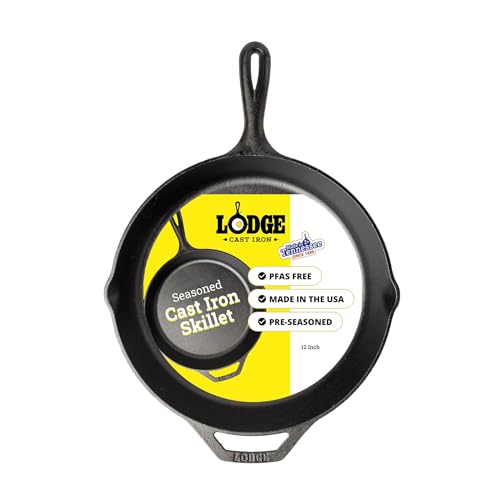
Lodge Cast Iron Skillet
Preseasoned iron holds heat like little else, which makes it excellent for searing, roasting and even baking. Stovetop to oven takes no extra thought, and the surface improves with use. Owners report keeping the same skillet for decades with basic care.
Pros
- Outstanding heat retention for searing
- Lasts for decades with basic care
- Works on any heat source and in the oven
Cons
- Heavy to lift and maneuver
- Needs seasoning and hand washing

All-Clad D3 Stainless Steel Frying Pan
Three-ply bonded construction spreads heat evenly and climbs to a hard sear fast, exactly what a good fond needs before deglazing. Oven safety extends to high temperatures, and the build is meant to last a lifetime. Owners praise its balance and even browning.
Pros
- Even, high heat for excellent searing
- Builds fond for great pan sauces
- Durable enough to last a lifetime
Cons
- Food sticks without proper technique
- Premium price for the quality
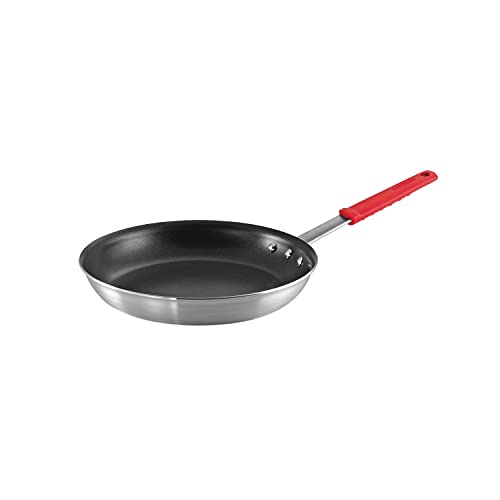
Tramontina Professional Nonstick Fry Pan
Restaurant lines favor this heavy-gauge aluminum pan for good reason, since a durable nonstick surface pairs with a stay-cool handle. Even heating releases eggs cleanly, offering commercial-style performance at a modest price. Owners report the coating holding up well with careful use.
Pros
- Commercial-grade feel for the price
- Even heating and clean release
- Comfortable stay-cool handle
Cons
- Not induction compatible
- Coating needs gentle utensils

T-fal Professional Nonstick Fry Pan
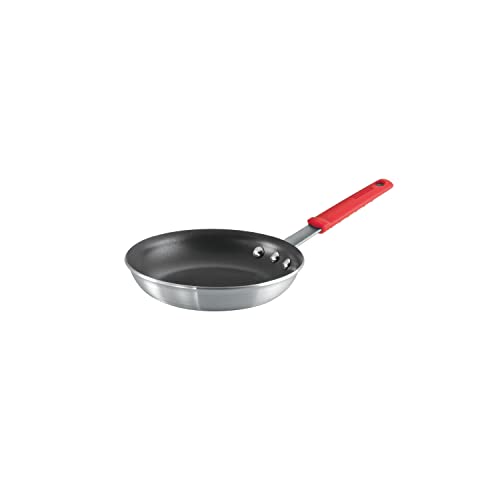
This is the classic daily driver for eggs, pancakes and quick sautes, with a heat indicator that shows when the pan is ready. Weight stays light, cleanup stays simple, and replacing it later costs little. Owners buy it again and again for the value.
Pros
- Very affordable and easy to use
- Heat indicator shows when ready
- Light and simple to clean
Cons
- Coating wears faster than premium pans
- Too light for heavy searing

GreenPan Valencia Pro Ceramic Nonstick Frying Pan
Cooks who avoid traditional coatings get slick release from ceramic media here, backed by a hard-anodized body that tolerates more heat than most ceramic pans. Induction and oven use both work. Owners like the easy cleanup and sturdy feel.
Pros
- Ceramic release without traditional coating
- Handles higher heat than most ceramics
- Induction and oven compatible
Cons
- Ceramic slickness fades over time
- Needs lower heat to protect the surface

Made In Stainless Clad Frying Pan
Five-ply stainless construction targets cooks chasing restaurant-level browning in a balanced, pourable shape. Heat spreads evenly, the oven tolerance runs high, and the pan feels solid in hand. Owners report excellent sears once they master preheating fat before adding food.
Pros
- Excellent even browning
- Very high oven tolerance
- Balanced, pourable shape
Cons
- Requires technique to avoid sticking
- Higher price than basic stainless

Le Creuset Signature Cast Iron Skillet
Enamel coats this skillet inside and out, delivering cast iron heat retention without a seasoning routine. Rust resistance and easier cleanup come with that enamel layer. Owners treasure a pan good looking enough to serve straight from, despite the weight and price.
Pros
- Cast iron heat with no seasoning
- Enamel resists rust and cleans easily
- Attractive enough to serve in
Cons
- Heavy and expensive
- Enamel can chip if mishandled
Side by side
| # | Model | Material | Best for | Score | Price |
|---|---|---|---|---|---|
| 1 | Lodge Cast Iron Skillet | Cast iron, preseasoned | Best overall | 9.3 | Check price |
| 2 | All-Clad D3 Stainless Steel Frying Pan | Tri-ply stainless steel | Best stainless steel | 9.1 | Check price |
| 3 | Tramontina Professional Nonstick Fry Pan | Heavy-gauge aluminum | Best value nonstick | 8.9 | Check price |
| 4 | T-fal Professional Nonstick Fry Pan | Aluminum | Best budget | 8.6 | Check price |
| 5 | GreenPan Valencia Pro Ceramic Nonstick Frying Pan | Hard-anodized aluminum | Best ceramic nonstick | 8.4 | Check price |
| 6 | Made In Stainless Clad Frying Pan | Five-ply stainless steel | Best for browning | 8.2 | Check price |
| 7 | Le Creuset Signature Cast Iron Skillet | Enameled cast iron | Best premium pick | 8.0 | Check price |
Questions worth asking
What is the most versatile frying pan?
A well-seasoned cast iron skillet like the Lodge earns that title, since it sears, roasts, bakes and moves straight to the oven. Most cooks still pair it with a nonstick pan for eggs and delicate foods, because no single material handles every job perfectly.
Is nonstick or stainless steel better?
They serve different needs. Nonstick suits eggs, fish and easy cleanup but wears out and cannot sear hard. Stainless steel browns better, builds fond for sauces and lasts for decades, though it requires proper preheating and fat to stop sticking.
How do I stop food sticking to stainless steel?
Preheat the pan until a drop of water beads and skitters across the surface, then add fat and let it shimmer before food goes in. Proteins release naturally once properly seared, so avoid forcing them loose early. This technique lets stainless perform almost like nonstick for many foods.
How long does a nonstick coating last?
Gentle utensils, moderate heat and hand washing stretch a quality nonstick pan across a few years of regular use before the coating degrades. High heat, metal utensils and the dishwasher shorten that life considerably, so plan to replace nonstick eventually.
Are frying pans induction compatible?
Cast iron and most stainless steel pans work on induction because they are magnetic. Many aluminum nonstick pans do not, unless the maker adds a steel induction base. Check the specification or test with a magnet before buying for an induction cooktop.
Can I put a frying pan in the oven?
Cast iron and stainless steel handle high oven temperatures and finish dishes well. Nonstick pans carry much lower oven limits and can be damaged past their stated maximum. Pans with plastic handles face the tightest restrictions.
What size frying pan should I buy?
A pan around ten to twelve inches suits most households, handling everything from eggs for two to a couple of chicken breasts. An eight-inch pan handles single eggs and quick jobs well. Many cooks own one of each size.
Do I need to season a cast iron pan?
Bare cast iron needs seasoning, a thin baked-on oil layer that builds a natural nonstick surface and prevents rust; most arrive preseasoned and improve with use. Enameled cast iron like Le Creuset skips this step and cleans up more easily.
Cast iron vs stainless steel: which sears better?
Cast iron holds more total heat, so it recovers faster after cold food hits the surface, which helps with thick steaks. Stainless reaches a hotter surface temperature and builds fond well for sauces. Either sears effectively once properly preheated.
What frying pan is best for a gas stove versus induction?
Gas works with nearly any pan material, including thin nonstick. Induction narrows the field to magnetic pans, ruling out plain aluminum and copper unless a steel base is bonded in. Cast iron and clad stainless suit both cooktops without exception.
Our take
For one pan that does the most for the least money, the Lodge Cast Iron Skillet is hard to beat on searing power and longevity. Reach for the T-fal or Tramontina nonstick for everyday eggs and fast cleanup, and step up to the All-Clad D3 stainless when browning and pan sauces matter most. Most kitchens end up owning a nonstick and a searing pan together.
Dana Whitfield
Dana spent eight years buying and merchandising for a regional kitchenware retailer before moving into editorial work. She has handled thousands of SKUs across cookware, small appliances and kitchen organization, and focuses on the practical differences that matter once a product is actually in daily use.