Picking Fish Food That Suits Small Aquarium Pets
Hikari Betta Bio-Gold suits bettas with slow-sinking, high-protein pellets tuned to how they feed. Tetra Color Tropical Flakes balances nutrition for mixed community tanks. Fluval Bug Bites Tropical Formula adds insect-based protein and sinks to reach mid-water and bottom feeders.
Hikari Betta Bio-Gold tops this list for betta specific nutrition, since its pellets sink slowly to match how bettas actually feed. Tetra Color Tropical Flakes follows as the steadier community tank staple. Fluval Bug Bites Tropical Formula rounds out the top three with insect based protein for color.
Species drive the choice more than brand loyalty here. Bettas want high protein and slow sinking pellets, shrimp want small sinking pellets, and community tanks need flakes that suit several feeding styles at once. We compared protein percentages, pellet size and what owners report about water clarity after feeding.
Before you buy
What to look for in food for small aquarium pets Protein source and percentage matter more than brand name when picking fish food. Pellet or flake size should match the fish’s mouth, especially in nano tanks. Whether food floats or sinks should match how the target species naturally feeds, since a bottom feeder ignores floating flakes.
Feeding bettas versus feeding a community tank Bettas need higher protein and often prefer slow sinking pellets, matching what Hikari’s Bio-Gold delivers. Community tanks with mixed species do better on balanced flakes, like Tetra Color, that suit several feeding styles at once. Mixing the two approaches wastes money without meeting either species’ needs well.
Feeding shrimp and other nano tank species Shrimp and nano fish need pellets small enough to fit their mouths, which rules out most standard sized food. Northfin’s Small Fish Formula sinks quickly, reaching bottom dwelling shrimp before it dissolves. Krill based ingredients in that formula also support shrimp through molting cycles.
Adding treats and supplements to a staple diet Freeze dried bloodworms and similar treats add protein but should not replace a complete staple food. Most owners feed treats once or twice a week rather than daily. Overfeeding any food type, staple or treat, clouds water and raises ammonia faster than fish can process it.
The shortlist, ranked

Hikari Betta Bio-Gold
Betta digestion and coloring shaped this formula from the start, according to Hikari’s listing. Pellets sink slowly, matching how bettas hover and feed near the surface and mid water. Less waste builds up compared to flake food that dissolves before a betta reaches it, based on owner reports.
Pros
- Slow sinking pellets match natural betta feeding behavior
- 36 percent minimum protein supports color and fin health
- Small package size limits spoilage between uses
Cons
- Frequent reordering needed for multiple betta tanks
- Not formulated for mixed community species

Tetra Color Tropical Flakes
Tetras, mollies and most other community fish eat this flake without issue. Color enhancing ingredients keep scales vibrant across regular feeding. A 7.06 ounce package covers months of daily feeding for tanks holding several fish.
Pros
- Works across mixed community tank species
- Color enhancing formula supports vibrant scales
- Large package covers months of regular feeding
Cons
- Floating flakes can dissolve before bottom feeders reach them
- Not tailored to any single species’ needs

Fluval Bug Bites Tropical Formula
Black soldier fly larvae sit first on the ingredient list here, ahead of fishmeal or grain fillers. Pellets sink to reach fish that feed below the surface. Reviewers note better color and activity after switching from a flake only diet.
Pros
- Insect based protein mirrors a natural fish diet
- Sinking pellets reach mid water and bottom feeders
- Fewer grain fillers than standard flake formulas
Cons
- Costs more per ounce than standard flake food
- Smaller fish may need pellets crushed first

Omega One Betta Buffet Pellets
Salmon and shrimp meal replace fillers in this betta formula from Omega One. A 1.5 ounce package runs larger than Hikari’s, stretching further per bottle. Floating pellets suit bettas used to surface feeding, though some owners switch to sinking food when fish ignore the surface.
Pros
- Larger package size than most betta specific foods
- Salmon and shrimp meal add varied protein sources
- Floating pellets suit surface feeding bettas
Cons
- Floating format may not suit bettas that prefer sinking food
- Stronger odor than Hikari’s formula, per owner reports
API Tropical Flakes Fish Food
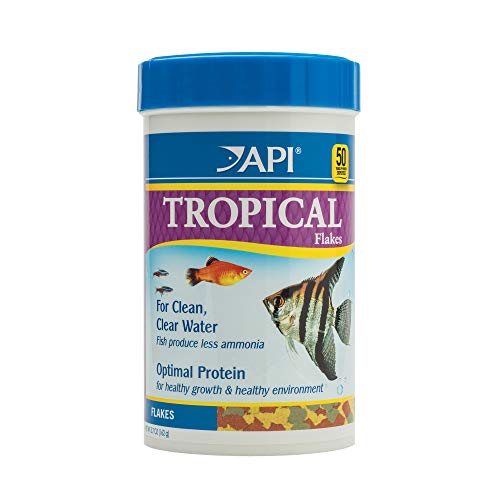
General tropical fish feeding is the goal here, at a lower cost than specialty brands. Color enhancers found in Tetra’s lineup are absent from this formula. Owners recommend smaller, more frequent feedings, since excess flakes cloud water quickly.
Pros
- Lower cost per ounce than specialty formulas
- Suits most common community fish species
- Wide availability at pet retailers
Cons
- Fewer color enhancing ingredients than Tetra’s formula
- Clouds water faster than richer formulas if overfed

Hikari Freeze-Dried Bloodworms
Freeze-drying turns bloodworms into small cubes that fish tear apart at the surface or mid water. Parasite risk associated with live bloodworms disappears through this process. Most owners treat it as a weekly protein boost rather than a full diet.
Pros
- High protein content supports breeding and growth
- Freeze drying removes parasite risk found in live bloodworms
- Small cubes work well as an occasional supplement
Cons
- Not nutritionally complete as a sole daily food
- Small package empties quickly with regular use

Northfin Food Small Fish Formula
Nano tanks stocked with small fish and shrimp are the target here, so pellet size stays small. Krill meal supports shrimp through molting cycles. Small pellets dissolve faster than standard sizes, so owners feed smaller amounts more often.
Pros
- Small pellet size fits nano tank and shrimp mouths
- Krill based formula supports shrimp molting health
- Sinking pellets reach bottom dwelling shrimp and small fish
Cons
- Small pellets dissolve faster if not eaten quickly
- Less suited to larger community fish species
Side by side
| # | Model | Form | Best for | Score | Price |
|---|---|---|---|---|---|
| 1 | Hikari Betta Bio-Gold | Slow-sinking pellets | Best for bettas | 9.3 | Check price |
| 2 | Tetra Color Tropical Flakes | Floating flakes | Best overall for community tanks | 9.0 | Check price |
| 3 | Fluval Bug Bites Tropical Formula | Sinking pellets | Best for insect-based protein | 8.8 | Check price |
| 4 | Omega One Betta Buffet Pellets | Floating pellets | Best value for bettas | 8.6 | Check price |
| 5 | API Tropical Flakes Fish Food | Floating flakes | Best budget | 8.3 | Check price |
| 6 | Hikari Freeze-Dried Bloodworms | Freeze-dried cubes | Best treat or protein boost | 8.1 | Check price |
| 7 | Northfin Food Small Fish Formula | Small sinking pellets | Best for nano tanks and shrimp | 8.0 | Check price |
Common questions
What is the best fish food for betta fish?
Hikari Betta Bio-Gold is formulated specifically for betta nutrition, with slow sinking pellets that match how bettas feed near the surface and mid water.
Do shrimp need different food than fish?
Shrimp benefit from smaller, sinking pellets with krill based protein that supports molting. Northfin’s Small Fish Formula is sized for shrimp and other nano tank species.
Should fish food float or sink?
It depends on the species. Bettas often prefer slow sinking pellets, while many community fish feed at the surface on floating flakes.
How often should small aquarium fish be fed?
Most small tropical fish do well on small amounts once or twice a day. Overfeeding clouds water faster than fish can consume the excess.
Is freeze-dried bloodworm food a complete diet?
No, freeze-dried bloodworms work best as an occasional protein supplement rather than a fish’s entire diet, according to product guidance.
What protein percentage should fish food have?
Betta specific foods often run 36 percent protein or higher. General community tropical flakes typically fall between 30 and 32 percent.
Can bettas and community tank fish eat the same food?
Community flakes can work for bettas occasionally, but a betta specific pellet like Hikari’s Bio-Gold better matches their protein needs and feeding pattern.
Why does tank water cloud up after feeding?
Excess uneaten food breaks down and clouds water quickly. Feeding smaller portions, especially of flakes, reduces this compared with overfeeding at each meal.
Our take
Hikari Betta Bio-Gold remains the strongest pick for dedicated betta owners thanks to its slow sinking, high protein pellets. Community tanks are better served by Tetra Color Flakes or the more budget friendly API Tropical Flakes. Nano tanks and shrimp keepers should look to Northfin’s Small Fish Formula for appropriately sized, krill based pellets.
Olivia Hartley
Olivia spent several years working at an animal shelter and a pet-supply retailer before joining the editorial team. She researches pet gear with an emphasis on safety, comfort and the fine print that owners often miss.