Fender Covers That Protect Paint Without Sliding Off
Custom Accessories 92800 covers most sedans with clear vinyl at no added weight, Trades Pro 837170 adds magnets and foam for daily shop use, and Lisle 43300 layers on heavier padding for engine bay work. Each targets a different balance of coverage, grip, and cushioning.
Custom Accessories 92800 suits most home garages best, since clear vinyl lets a mechanic see paint condition without magnets adding weight or cost. Its thin material cushions less than padded covers, though, so anyone leaning into an engine bay for hours needs more protection. Trades Pro 837170 fills that gap with embedded magnets and foam padding built for daily use. Lisle 43300 goes further still, aimed at mechanics who spend long stretches over an open hood.
Padding thickness and magnet placement vary more across fender covers than product photos suggest. We compared material, size, and attachment method across current Amazon listings, then weighed owner reports on slipping and paint contact after repeated use.
What we recommend
Custom Accessories 92800 Original Fender Gard
See-through vinyl lets a mechanic check paint condition without lifting the cover. Custom Accessories sizes this one at roughly 34 by 50 inches, wide enough for most sedan and compact fenders. No magnets are built in, so weight and shape hold it in place instead.
Pros
- See-through vinyl reveals paint condition underneath
- Coverage fits most sedan and compact car fenders
- Skipping magnets removes any risk of scratching from embedded hardware
Cons
- Rounded or steeply angled fenders can let it shift without magnets
- Thin vinyl cushions less than foam-backed covers

Trades Pro 837170 Magnetic Fender Cover
Magnets sewn along the edges anchor this cover to steel body panels through repeated leaning. Foam padding underneath cushions elbows and dropped tools better than plain vinyl. Shops moving between vehicles all day benefit most from that combination.
Pros
- Edge magnets stop the cover from sliding mid-repair
- Foam layer cushions tools and elbows resting on the fender
- Handles repeated moves across multiple vehicles per shift
Cons
- Aluminum body panels will not hold these magnets
- Foam padding adds bulk next to thin vinyl covers

Capri Tools Magnetic Fender Cover
Capri Tools pairs a magnetic strip with foam backing at a price below shop-grade covers. Stitched edges resist the fraying that unfinished vinyl develops over time. Steel fenders hold this cover steady without extra straps or clips.
Pros
- Stitched edges hold up against fraying
- Magnetic strip grips steel panels without added hardware
- Price fits occasional DIY use and light shop work
Cons
- Daily full-time shop wear exceeds what this cover is rated for
- Foam layer runs thinner than dedicated heavy-duty covers
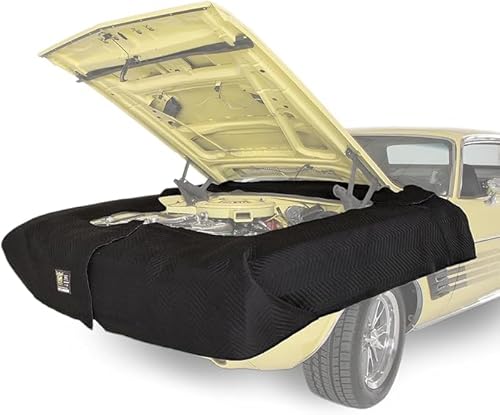
Astro Pneumatic 7550 Fender Cover
Astro Pneumatic extends this cover further toward the wheel well than most fender covers on this list. Thicker padding supports longer detailing or repair sessions without wearing thin. A non-slip backing keeps it anchored even where magnets alone would fail.
Pros
- Extended reach protects more of the lower fender panel
- Thicker padding suits extended detailing or repair sessions
- Non-slip backing reduces reliance on magnets
Cons
- Storage between uses takes more space than compact covers
- Extra weight slows repositioning compared to lighter covers
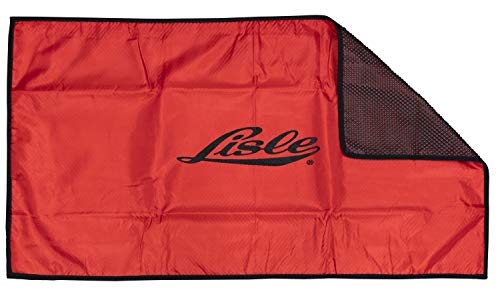
Lisle 43300 Deluxe Fender Cover
Lisle stacks the heaviest padding in this lineup for mechanics leaning over an engine bay for hours. A non-slip underside anchors it without any magnets involved. Extra cushioning also reduces fatigue during long repair jobs.
Pros
- Thickest padding here cuts fatigue on long jobs
- Non-slip backing holds position without magnets
- Deluxe build resists wear from repeated leaning
Cons
- Smooth or steeply angled panels can still let it shift without magnets
- Bulk makes it slower to grab for quick jobs
OEMTOOLS 24862 Fender Cover
OEMTOOLS strips this cover down to lightweight vinyl with no padding and no magnets. Quick jobs like checking fluids or swapping a battery suit it better than extended repairs. Low cost makes it an easy first cover for a home garage.
Pros
- Low cost suits occasional home garage use
- Folds down small for easy storage
- Handles quick fluid checks or battery swaps fine
Cons
- Minimal cushioning for anything beyond short jobs
- Thin material wears faster under frequent use
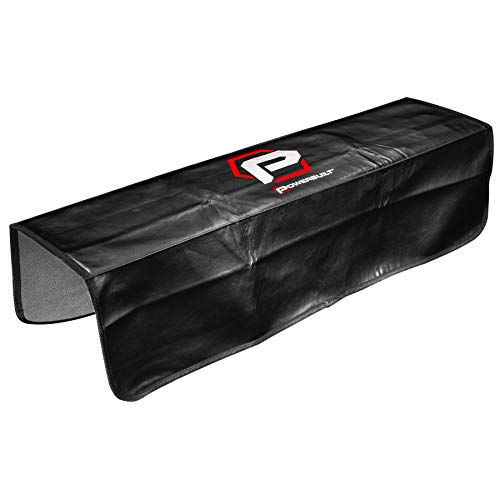
Powerbuilt 648739 Magnetic Fender Cover
Powerbuilt trims this cover smaller than shop-grade options, built for one vehicle rather than a full bay. Magnets still hold it steady on steel fenders. Compact dimensions make it easier to store in a home garage.
Pros
- Magnets anchor it without any extra setup
- Compact size stores easily in a home garage
- Padding covers typical DIY maintenance needs
Cons
- Coverage falls short of full-size shop covers
- Daily multi-vehicle wear exceeds its intended use
Compared at a glance
| # | Model | Material | Best for | Score | Price |
|---|---|---|---|---|---|
| 1 | Custom Accessories 92800 Original Fender Gard | Clear vinyl | Best overall | 9.2 | Check price |
| 2 | Trades Pro 837170 Magnetic Fender Cover | Embedded edge magnets | Best magnetic | 8.9 | Check price |
| 3 | Capri Tools Magnetic Fender Cover | Magnetic strip | Best value | 8.6 | Check price |
| 4 | Astro Pneumatic 7550 Fender Cover | Extended toward wheel well | Best for detailing shops | 8.4 | Check price |
| 5 | Lisle 43300 Deluxe Fender Cover | Heavy-duty, thickest in lineup | Best for engine bay work | 8.2 | Check price |
| 6 | OEMTOOLS 24862 Fender Cover | Lightweight vinyl | Best budget | 8.0 | Check price |
| 7 | Powerbuilt 648739 Magnetic Fender Cover | Magnetic | Best for home garage DIY | 8.0 | Check price |
What to look for
What to look for in a fender cover Material sets the baseline for any fender cover. Vinyl offers visibility so a mechanic can watch paint condition while working. Foam-backed covers trade that visibility for cushioning against dropped tools. Magnetic attachment holds a cover steady during real work, but only on steel, since aluminum panels will not grip. Padding thickness should match the job ahead, since a five-minute fluid check needs far less cushioning than an hour spent leaning into an engine bay. Size matters too, as an undersized cover leaves paint exposed right at the edges.
Magnetic vs non-magnetic covers Magnetic covers like the Trades Pro 837170 or Powerbuilt 648739 stay locked down through repeated leaning and repositioning. Aluminum fenders and hoods, common on newer vehicles built for weight savings, will not hold those magnets at all. Non-magnetic options such as the Custom Accessories 92800 rely on their own weight and shape instead, which works fine on flatter fender designs. Steeply curved or aluminum panels favor a non-slip backing over magnets every time.
Best setups for professional and detailing shops Daily shop use wears through a cover faster than occasional home projects ever will. Astro Pneumatic’s 7550 stretches coverage toward the wheel well, useful when detailing reaches lower panel sections. Trades Pro’s magnetic, foam-padded build suits shops shifting between multiple vehicles in one shift. Dropped tools also matter here, since heavier padding cushions impacts that thin vinyl would pass straight through.
For occasional home DIY use Occasional oil changes or battery swaps rarely justify shop-grade padding. OEMTOOLS 24862 and similar lightweight vinyl covers handle those quick jobs at a lower cost. Longer repairs, like a timing belt or radiator swap, call for heavier padding such as Lisle’s, even at a higher price. Garage storage space also favors compact covers over the full-size versions shops rely on.
Questions worth asking
Do fender covers actually stop paint scratches?
Yes. A cover blocks belt buckles, zippers, and tools from touching paint directly. Padded versions add a second layer of protection against dropped tools that thin vinyl alone will not stop.
Are magnetic fender covers safe to use on aluminum panels?
No. Magnets need steel to grip, and many newer hoods and some fenders use aluminum instead to save weight. A non-slip backing works better on those surfaces.
What size fender cover fits most cars?
Most passenger vehicles fall in the 32 to 40 inch range. Trucks and larger SUVs often need extended coverage, like the Astro Pneumatic 7550, to reach further down the fender.
Can a fender cover double as a hood cover?
Yes. Many fender covers drape over a hood just as well for engine bay protection. Shape and size matter more than the label, since a large enough cover fits either panel.
How much padding does a fender cover need?
Jobs under a few minutes need little to none. Extended repair work benefits from foam or heavy-duty padding that reduces fatigue and cushions dropped tools.
Do standard fender covers fit truck-size fenders?
Not always. Standard covers can leave larger truck fenders partly exposed, so extended or full-coverage options like the Astro Pneumatic 7550 fit better.
Vinyl or foam-padded, which protects paint better?
Foam-backed covers cushion dropped tools and leaning better. Vinyl covers cost less and let a mechanic see the paint underneath, which suits shorter jobs.
How do I clean a fender cover?
Most vinyl and foam-backed covers wipe clean with a damp cloth once grease and dirt are removed. Check the listing for any machine-washable claim before soaking a foam-backed cover.
Our pick
Custom Accessories 92800 fits the most common home garage need without extra bulk or magnets to manage. Shops running a cover daily should step up to Trades Pro 837170 for its padding and magnetic hold. Anyone spending long stretches in an engine bay gets more from Lisle 43300, thanks to the heaviest cushioning here. Skip magnetic options entirely if the work involves mostly aluminum panels.
Tony Russo
Tony trained as an automotive technician and spent years in service and parts retail before moving into writing. He focuses on garage tools, car care products and accessories from a hands-on maintenance perspective.