7 Electrical Wire Picks Rated for Safe Home Wiring
Southwire Romex SIMpull NM-B 12/2 covers standard household branch circuits. Cerrowire 14/2 NM-B costs less for lighting runs. TEMCo 10 AWG THHN suits conduit installations. Low voltage projects need silicone stranded wire instead, not building cable.
Southwire Romex SIMpull NM-B 12/2 handles most household branch circuits. Cerrowire 14/2 NM-B is the cheaper option for lighting. TEMCo 10 AWG THHN goes inside conduit runs. Car audio and electronics need flexible silicone stranded wire, a different product entirely.
Code sets the right wire, not personal preference, and labels are packed with abbreviations. Gauge determines current capacity. Insulation type determines where installation is legal. Strand count determines how easily wire bends. We compared published ratings and constructions across seven spools. This is general information, not a substitute for a licensed electrician.
Our top picks

Southwire Romex SIMpull NM-B 12/2 Cable
This yellow jacketed cable carries two insulated 12 AWG conductors plus a bare ground, the standard build for 20 amp household circuits. Its SIMpull jacket surface reduces drag when pulling through joists and drilled studs. Southwire rates it for dry interior locations only.
Pros
- Low friction jacket eases long pulls
- Correct gauge for 20 amp circuits
- Widely stocked and familiar to inspectors
Cons
- Not approved for wet or buried locations
- Solid conductors resist bending in tight boxes

Cerrowire 14/2 NM-B Indoor Cable
Cerrowire’s 14/2 cable is the 15 amp equivalent, sized for lighting circuits and general receptacles on a matching breaker. One gauge smaller than 12 AWG, it costs less and threads through drilled studs more easily. Never land it on a 20 amp breaker, a common and dangerous shortcut.
Pros
- Cheaper and lighter than 12 AWG cable
- Bends into boxes with less effort
- Handles lighting and low draw circuits well
Cons
- Limited to 15 amp breakers only
- Jacket pulls slightly harder than SIMpull

TEMCo 10 AWG THHN Stranded Building Wire
Single conductor THHN gets pulled through conduit as separate hot, neutral and ground wires rather than a jacketed cable. TEMCo’s stranded build bends more easily than solid wire on long runs. Spools come in useful lengths and multiple insulation colors for code compliant runs.
Pros
- THWN-2 rating covers wet locations
- Stranded conductor pulls around bends easily
- Sold in standard code colors
Cons
- Requires conduit or raceway installation
- Needs separate spools per conductor
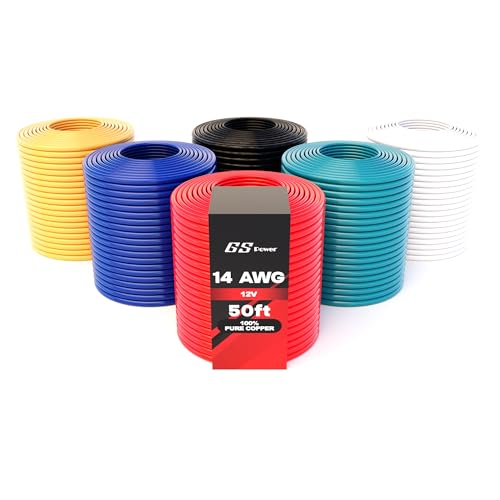
GS Power 14 Gauge Primary Wire
GS Power’s copper clad aluminum wire targets 12 volt automotive circuits, lighting and accessory runs. Thin, flexible insulation threads behind trim panels and through grommets with ease. It is not a substitute for pure copper where current draw runs high.
Pros
- Flexible construction for tight routing
- Sold in paired color coded spools
- Cost effective for accessory wiring
Cons
- Carries less current than pure copper
- Not rated for household mains circuits

BNTECHGO 16 Gauge Silicone Stranded Wire
Fine stranded copper sits inside a silicone jacket that stays soft in cold weather and tolerates far more heat than PVC. That combination makes it a favorite for robotics, battery packs and hobby electronics. High strand count also helps solder joints and crimps hold securely.
Pros
- Stays flexible even in cold conditions
- Withstands a wide temperature range
- High strand count accepts solder well
Cons
- Not approved for building wiring
- Silicone jacket nicks more easily than PVC
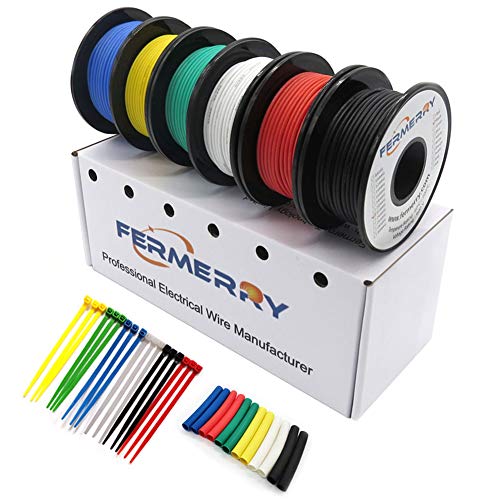
Striveday 18 AWG Silicone Hookup Wire Kit
This multi color spool set solves a common bench problem, running out of the one wire color a project needs. Silicone insulation strips cleanly and resists burns from a soldering iron. Breadboard, model and low current wiring are the intended uses, not structural work.
Pros
- Color coding simplifies complex builds
- Resists damage from soldering iron contact
- Strips cleanly without nicking strands
Cons
- Current capacity stays limited at 18 AWG
- Some kit spools run short in length

InstallGear 12 Gauge Primary Wire
A long spool of flexible primary wire suits speaker runs, accessory circuits and general 12 volt work where cost per foot matters most. Thin, pliable insulation routes easily through a vehicle interior. Treat it strictly as low voltage wire, nothing more.
Pros
- Long spool keeps cost per foot low
- Flexible enough for tight vehicle routing
- Common colors stay easy to find
Cons
- Lower conductivity than pure copper wire
- Thin insulation needs grommets at panel passes
What to look for
How wire gauge is matched to the breaker Household wiring pairs conductor size with the breaker protecting it. Fourteen AWG belongs on 15 amp circuits, and 12 AWG belongs on 20 amp circuits. Going one size larger is fine, especially on long runs where voltage drop matters. Going smaller is a fire risk no matter what the load looks like. Always size wire to the breaker, not the other way around.
Which insulation type is legal where NM-B, the familiar jacketed Romex style cable, is approved only for dry interior spaces. THHN and THWN-2 conductors run inside conduit, with the wet rating mattering for underground or exposed sections. UF cable is the type rated for direct burial. Using the wrong type is not a performance issue, it fails inspection outright.
Solid versus stranded: which one to choose Solid conductors hold their shape and seat firmly under screw terminals, which is why residential branch circuits use them. Stranded conductors flex repeatedly without fatiguing, so vehicles and appliances rely on them instead. Stranded wire also pulls more easily through long conduit runs. That flexibility costs a bit more care at terminals, often requiring ferrules.
Why low voltage wire is a separate category Automotive primary wire and silicone hookup wire excel at their jobs, but neither belongs inside a wall. They lack the jacket ratings and code listings that building wire requires, and often use copper clad aluminum instead of pure copper. Keep the two categories separate. Have a licensed electrician confirm any work involving household circuits.
Compared at a glance
| # | Model | Type | Best for | Score | Price |
|---|---|---|---|---|---|
| 1 | Southwire Romex SIMpull NM-B 12/2 Cable | NM-B non metallic sheathed | Best overall | 9.4 | Check price |
| 2 | Cerrowire 14/2 NM-B Indoor Cable | NM-B non metallic sheathed | Best value | 9.2 | Check price |
| 3 | TEMCo 10 AWG THHN Stranded Building Wire | THHN/THWN-2 stranded | Best for conduit | 9.0 | Check price |
| 4 | GS Power 14 Gauge Primary Wire | Automotive primary wire | Best for automotive | 8.8 | Check price |
| 5 | BNTECHGO 16 Gauge Silicone Stranded Wire | Silicone insulated stranded | Best flexibility | 8.6 | Check price |
| 6 | Striveday 18 AWG Silicone Hookup Wire Kit | Silicone insulated stranded | Best for electronics projects | 8.3 | Check price |
| 7 | InstallGear 12 Gauge Primary Wire | Automotive primary wire | Best budget spool | 8.0 | Check price |
Questions worth asking
What gauge wire do I need for a 20 amp circuit?
12 AWG copper is standard for a 20 amp branch circuit. 14 AWG only belongs on 15 amp circuits. Putting 14 AWG on a 20 amp breaker creates a serious fire hazard.
What is the difference between NM-B and THHN wire?
NM-B is a jacketed cable holding several conductors, approved for dry interior use without conduit. THHN is a single insulated conductor meant to be pulled inside conduit or a raceway.
Can I use indoor electrical wire outside?
No. NM-B is rated for dry interior locations only. Outdoor and buried runs need UF cable or THWN-2 conductors inside suitable conduit.
Is copper clad aluminum wire safe to use?
It works well in low voltage automotive and audio circuits, where a larger gauge offsets the reduced conductivity. It is not appropriate for household mains wiring.
Why does automotive wire use stranded conductors?
Vehicles vibrate constantly, and solid conductors work harden and crack under that movement. Fine stranded wire tolerates flexing, which is why cars and appliances use it.
How do I pick wire gauge for a long run?
Voltage drop increases with distance, so long runs often call for one gauge larger than the code minimum. A voltage drop calculation based on length, current and gauge gives the precise answer.
What do the numbers in 12/2 wire mean?
The first number is the conductor gauge, and the second is the count of insulated current carrying conductors. A 12/2 cable holds two 12 AWG conductors plus a bare ground wire.
Do I need a permit to run new electrical wire?
Most jurisdictions require a permit and inspection for new circuits, and rules vary by location. Check with the local building department, and use a licensed electrician for any panel work.
Which wire is best for car audio installations?
Copper clad aluminum primary wire like GS Power or InstallGear handles typical 12 volt accessory and speaker runs. High current amplifier runs benefit from a heavier gauge in pure copper.
The bottom line
Southwire Romex SIMpull NM-B 12/2 remains the pick for interior branch circuits, since its low friction jacket eases long pulls. Cerrowire 14/2 covers 15 amp lighting runs at a lower cost. TEMCo THHN handles conduit installations, and silicone hookup wire stays reserved for the workbench.
Jake Monroe
Jake worked as a residential contractor for over a decade before shifting to full-time writing. He evaluates power tools, hand tools and workshop gear through the lens of someone who has actually used them on job sites, not just read the box.


