Sustainable Reading Toys That Survive Teething and Toddlers
PlanToys Alphabet Puzzle leads on durable FSC rubberwood and water-based dye. Melissa & Doug’s Wooden Alphabet Sound Puzzle gives budget shoppers solid beechwood letters with a sound module. Indestructibles Baby Book: Wiggle suits infants who mouth everything, since it is washable and tear-proof tree-free paper.
PlanToys Alphabet Puzzle stands out for toddlers learning letter shapes, built from FSC rubberwood with soy-based dye pieces. It costs more than basic puzzles and skips the braille cues a few competitors add.
Sustainability claims vary wildly across toy listings, so we compared FSC certification, paint type and ASTM F963 testing. Owner feedback on wear after months of handling shaped the final ranking.
What we recommend
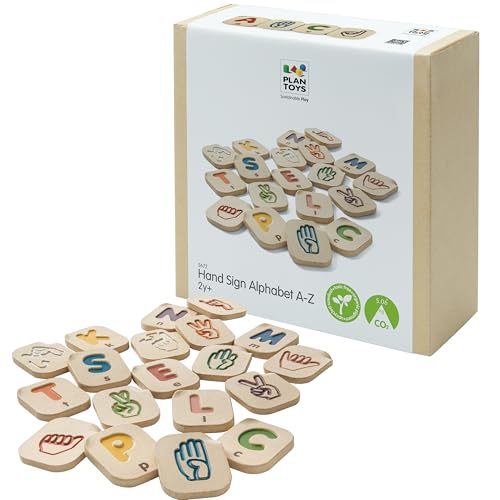
PlanToys Alphabet Puzzle
FSC-certified rubberwood forms all twenty-six letter pieces, finished with water-based dye instead of solvent paint. A tractor-shaped tray gives toddlers a visual anchor while they sort each letter into place. The dye keeps its color through repeated handling and washing.
Pros
- Splinter resistance beats softwood puzzle alternatives
- Color stays vivid after repeated washing
- Tray doubles as a shape-matching game
Cons
- Costs more than basic wooden puzzles
- Loose pieces pose a choking risk for siblings under 3

Green Toys My First Alphabet Puzzle
Recycled milk jugs become the plastic base for this puzzle, so it survives a dishwasher cycle without warping. Oversized letters suit toddlers still building fine motor control. Food-safe dye replaces paint, and the piece skips BPA and phthalates.
Pros
- Dishwasher-safe cleanup saves handwashing time
- Manufactured in the USA from recycled milk jugs
- Lightweight build won’t hurt bare toddler feet
Cons
- Plastic feels less premium than solid wood
- Color palette skips the grain texture wood offers

Melissa & Doug Wooden Alphabet Sound Puzzle
Solid beechwood letters pair with a battery-powered module that speaks each letter name aloud. Knobs on every piece help younger toddlers practice a pincer grasp before flat pieces get easier. A non-toxic lacquer seals the wood surface.
Pros
- Knobbed grips build hand strength before flat pieces
- Spoken letter names add practice without a screen
- Replacement parts stay easy to find
Cons
- Batteries are required but not included
- Lacquer finish trades off eco credentials for durability

Indestructibles Baby Book: Wiggle
Tear-resistant, tree-free paper takes a full machine wash cycle without falling apart. Soy-based ink prints high-contrast black and white patterns that target newborn vision before color recognition develops. The book folds flat for a diaper bag.
Pros
- Handles drool, chewing and full machine washes
- High-contrast pattern suits newborn eyesight
- Flat fold fits a stroller pocket or diaper bag
Cons
- No alphabet or letter content included yet
- Pages feel thinner than a standard board book

Hape Alphabet Blocks
Twenty rubberwood blocks mix letters, numbers and shapes so stacking play doubles as early literacy practice. Low-VOC, water-based paint meets both ASTM F963 and the European EN71 standard. A mesh bag keeps loose blocks contained between uses.
Pros
- Stacking play doubles as letter recognition practice
- Rounded edges limit injury during toppled towers
- Mesh bag keeps blocks organized between uses
Cons
- Letters print smaller than dedicated puzzle sets
- Each block shows only one letter per face

Wonder Forge Melissa & Doug ABC Cloth Book
Organic cotton pages replace the synthetic fabric and crinkle inserts common in cheaper cloth books. Each page embroiders a letter next to a matching object, like A for apple. Stitched images hold up to tugging better than printed graphics.
Pros
- Soft cotton is gentle on teething gums
- Embroidered images resist fraying longer than printed cloth
- Quiet enough for naptime or car rides
Cons
- Hand washing only rules out a dryer cycle
- Alphabet coverage is thinner than a full puzzle set

Lovevery The Book Nook Play Kit
A cloth book, wooden matching cards and a parent activity guide arrive bundled in one themed kit. FSC-certified wood pairs with GOTS-certified organic cotton across the set. The guide explains which literacy milestone each activity targets.
Pros
- Guide ties each activity to a literacy milestone
- Combines wood, cloth and cards in one kit
- GOTS certification confirms the organic cotton sourcing
Cons
- Stage-specific window narrows how long it stays useful
- Per-item cost runs higher than standalone toys
How they stack up
| # | Model | Material | Best for | Score | Price |
|---|---|---|---|---|---|
| 1 | PlanToys Alphabet Puzzle | FSC-certified rubberwood | Best overall | 9.4 | Check price |
| 2 | Green Toys My First Alphabet Puzzle | 100% recycled plastic (milk jugs) | Best value | 9.1 | Check price |
| 3 | Melissa & Doug Wooden Alphabet Sound Puzzle | Beechwood | Best budget | 8.8 | Check price |
| 4 | Indestructibles Baby Book: Wiggle | Tree-free, tear-proof paper | Best for infants | 8.6 | Check price |
| 5 | Hape Alphabet Blocks | Sustainably harvested rubberwood | Best for stacking play | 8.4 | Check price |
| 6 | Wonder Forge Melissa & Doug ABC Cloth Book | Organic cotton exterior | Best cloth book | 8.2 | Check price |
| 7 | Lovevery The Book Nook Play Kit | FSC-certified wood, GOTS organic cotton | Best for guided literacy activities | 8.0 | Check price |
What to look for
What Makes a Reading Toy Eco Friendly Sustainable literacy toys trade plastic and solvent paint for renewable materials. FSC-certified wood, organic cotton and tree-free paper show up across every top pick here. Water-based and soy-based inks stand in for petroleum dyes. Recycled plastic counts too, since diverting milk jugs from landfill cuts new resource use.
Wood, Cloth or Recycled Plastic: What Fits Your Child Wooden puzzles teach letter shapes through physical sorting and reward a toddler’s growing motor skills. Cloth and tear-proof books favor infants who still mouth everything within reach. Recycled plastic pieces split the difference, surviving a dishwasher cycle that wood or cloth cannot handle. Match the material to how rough the handling will actually be.
Best Reading Toys by Age Range Infants under a year need soft pages free of small parts, the territory Indestructibles and organic cotton books cover. Toddlers between one and two years handle chunky blocks and oversized puzzle knobs without much trouble. Preschoolers past age three manage smaller, flat pieces and multi-step activities like the Lovevery kit.
Checking Safety Certification and Long-Term Durability ASTM F963 sets the baseline safety bar every listing here should meet. EN71 compliance, found on Hape’s blocks, adds testing standards common to European-made wood toys. Machine-washable cloth survives daily drool better than a hand-wash-only design. Rubberwood resists splintering longer than the softer pine used in cheaper puzzles.
Frequently asked questions
What is the best eco friendly reading toy for a 1 year old?
PlanToys Alphabet Puzzle and Hape Alphabet Blocks both fit a 1 year old’s hands. Each uses FSC-certified rubberwood with edges rounded for safe stacking and mouthing.
Are wooden alphabet toys safer than plastic ones?
Not automatically. Safety comes down to certification rather than material choice. Check for ASTM F963 compliance on wood and a BPA-free label on plastic like Green Toys.
Can eco friendly cloth books go in the washing machine?
It depends on the brand. Indestructibles books handle a full machine wash and dryer cycle. The Wonder Forge Melissa & Doug ABC Cloth Book asks for hand washing to protect its embroidery.
Is recycled plastic more eco friendly than wood?
Green Toys’ milk jug plastic diverts existing waste instead of pulling new resources. FSC wood relies on forests managed for replanting. Both count as legitimate sustainable choices with different tradeoffs.
What age can babies start using reading toys?
Tear-proof books like Indestructibles list newborn and up on the packaging. High-contrast black and white pages target vision development in the first months, before color recognition kicks in.
Is the Lovevery Book Nook kit worth the price?
It suits parents who want a guided activity plan alongside the toy itself. The 19 to 21 month window makes it less flexible than an open-ended puzzle or block set.
Do wooden letter puzzles actually help kids learn to read?
They build letter recognition and fine motor control, both precursors to reading. Phonics still needs direct teaching, so pair a puzzle with read-aloud books for faster progress.
What safety certification should I look for on toddler toys?
ASTM F963 is the US requirement covering choking hazards and toxic materials. EN71, seen on Hape’s blocks, layers on European testing benchmarks.
What is the best eco friendly reading toy for a toddler who chews everything?
Indestructibles Baby Book: Wiggle is built for exactly that, using tear-proof paper that survives a wash cycle. PlanToys pieces stay large enough to avoid a choking risk too, once a child passes 18 months.
Wooden alphabet puzzle vs cloth book: which comes first?
Cloth books come first for infants still mouthing objects and needing washable pages. Wooden puzzles suit toddlers past about 18 months who are ready for physical shape sorting.
Our take
PlanToys Alphabet Puzzle takes the top spot for its FSC-certified rubberwood and a water-based finish that holds up under daily toddler handling. Parents of infants under a year should choose Indestructibles Baby Book: Wiggle instead, since tear-proof, washable pages suit a mouthing baby better than any wooden option here. Shoppers on a tighter budget still get solid beechwood construction from the Melissa & Doug puzzle.
Rachel Simmons
Rachel previously worked in child-product retail and brings a practical, detail-first eye to gear reviews, focusing on safety standards, ease of use and the fine print that matters most for new caregivers.


