Eco-Friendly Educational Toys That Actually Hold Up
PlanToys Alphabet A-Z Puzzle leads on rubberwood durability and non-toxic dyes, Melissa & Doug’s Wooden Alphabet Puzzle adds a storage tray and self-correcting pieces at a lower cost, and Green Toys My First Puzzle wins on budget with recycled-plastic pieces safe for toddlers who still mouth toys.
PlanToys Alphabet A-Z Puzzle suits parents who want pieces built to survive years of sibling handoffs. Rubberwood construction resists chipping, and water-based dyes skip the harsh chemical smell of solvent paint. It only covers letter recognition, so counting practice falls to a separate toy.
Eco-friendly labeling on toys carries no legal definition, so terms like natural and green mean little without backup. We chose these seven by checking listed materials, certifications such as FSC wood, and manufacturing claims stated directly on each product page.
The best picks, ranked
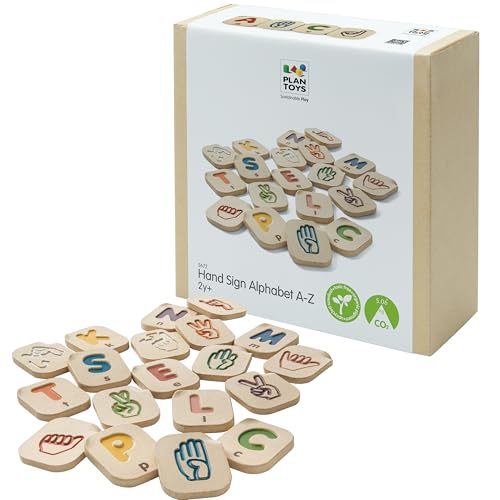
PlanToys Alphabet A-Z Puzzle
Rubberwood and water-based dyes replace the solvent paint found on cheaper puzzles. Twenty-six knobbed letters sit in individual cutouts on a natural wood base. Toddlers get tactile feedback while tracing each letter shape by hand.
Pros
- Rubberwood resists chips better than softwood puzzle pieces
- Water-based dyes skip the harsh smell of solvent paint
- Wide knobs fit small hands still learning a pincer grip
Cons
- Covers letters only, with no numbers or shape practice
- Weighs more than plastic puzzles packed for travel

Melissa & Doug Wooden Alphabet Puzzle with Storage Tray
FSC-certified wood forms the base of this alphabet puzzle, paired with a fitted tray for all 26 pieces. Self-correcting cutouts fit only their matching letter, so kids check their own work. A lower cost than PlanToys keeps this pick budget friendly without dropping certification.
Pros
- FSC certification confirms wood came from a managed forest
- Fitted tray keeps letters organized between sessions
- Self-correcting shapes let kids play without adult correction
Cons
- Knobs are painted rather than bare natural wood
- Tray edges roughen slightly after months of heavy use

Green Toys My First Puzzle
Recycled plastic milk jugs, not wood, form this four-piece truck puzzle. Oversized shapes suit toddlers who still mouth their toys during play. A dishwasher-safe surface handles daily cleaning better than any wood puzzle here.
Pros
- Dishwasher safe for fast, thorough cleaning
- Made in the USA from post-consumer plastic
- Oversized pieces lower choking risk for younger toddlers
Cons
- Four pieces offer little challenge once skills grow
- Surface scratches show after repeated washing
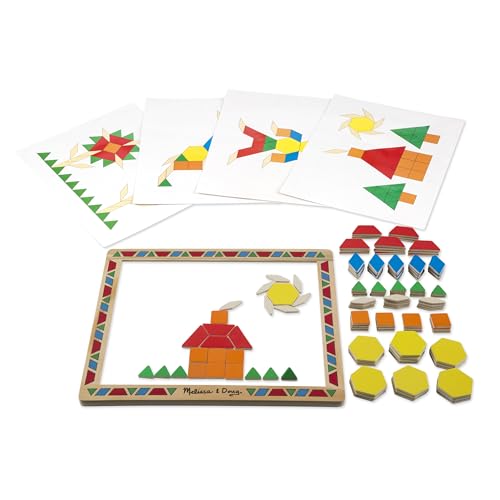
Hape Pattern Blocks and Boards
Sustainably harvested rubberwood blocks pair with printed pattern cards here. Kids copy a shape from a card before inventing their own layout. Symmetry and spatial reasoning get introduced well ahead of formal geometry class.
Pros
- Pattern cards scale from simple shapes to complex layouts
- Sanded edges hold up under repeated handling
- Open-ended building continues once the cards run out
Cons
- Small blocks pose a choking hazard under age 4
- No storage box ships with the full 36-piece set

Begin Again Country Puzzle
Rubberwood forms seven chunky, continent-shaped pieces sized for toddler hands. Rounded edges and thick grips suit fingers still building fine motor control. Basic geography gets introduced well before a child starts formal school.
Pros
- Thick pieces are easy for toddlers to grasp and place
- Rubberwood build withstands repeated drops onto hard floors
- Introduces world geography ahead of a school curriculum
Cons
- Seven pieces offer less challenge as skills mature
- No printed country names, so labeling needs a parent

Bannor Toys Wooden Number Puzzle
FSC-certified hardwood gets hand-cut into this number puzzle at a Missouri workshop. Numbers zero through nine sit in individual slots on unfinished wood. Skipping dye entirely means no added chemicals touch the surface.
Pros
- Unfinished wood carries no paint or dye chemicals
- Small-batch, handmade construction supports domestic production
- Numbers are sized generously for easy tracing practice
Cons
- Unfinished surface needs gentler handling around water
- Small-batch runs can mean longer restock waits

PlanToys Sound Puzzle
Rice or beads fill six rubberwood pieces here, each producing a distinct shake sound. Kids match a sound to the printed animal on the board. Vocabulary and auditory discrimination build side by side during play.
Pros
- Sound-based play reaches auditory learners differently than visual puzzles
- Rubberwood build matches the durability of other PlanToys pieces
- Compact board fits easily into a travel bag
Cons
- Six pieces mean less long-term replay value
- Rattling pieces can sound loud in quiet rooms
Compared at a glance
| # | Model | Material | Best for | Score | Price |
|---|---|---|---|---|---|
| 1 | PlanToys Alphabet A-Z Puzzle | Rubberwood with water-based dyes | Best overall | 9.4 | Check price |
| 2 | Melissa & Doug Wooden Alphabet Puzzle with Storage Tray | FSC-certified wood | Best value | 9.1 | Check price |
| 3 | Green Toys My First Puzzle | 100% recycled plastic milk jugs | Best budget | 8.8 | Check price |
| 4 | Hape Pattern Blocks and Boards | Sustainably harvested rubberwood | Best for STEM | 8.5 | Check price |
| 5 | Begin Again Country Puzzle | Rubberwood | Best for toddlers | 8.3 | Check price |
| 6 | Bannor Toys Wooden Number Puzzle | FSC-certified hardwood, unfinished | Best for math | 8.1 | Check price |
| 7 | PlanToys Sound Puzzle | Rubberwood with water-based dyes | Best for auditory learning | 8.0 | Check price |
How to choose
Real Markers of an Eco-Friendly Toy FSC certification confirms wood came from a responsibly managed forest, not just marketing language. Rubberwood comes from rubber trees past their latex-producing years, so no new trees get cut for the toy. Recycled plastic toys list a source material, often post-consumer milk jugs, plus BPA and phthalate-free claims. Water-based dyes replace solvent-based paint and cut down on off-gassing near young children.
Wooden Toys vs Recycled Plastic: Which Lasts Longer? Rubberwood and FSC hardwood resist dents better than plastic under daily drops. Green Toys pieces stay lighter and dishwasher safe, which suits toddlers who still mouth objects. Wood needs a dry environment, since unfinished pieces can absorb moisture over time. Plastic scratches with age but wipes clean faster after snack spills.
Matching Piece Count to a Child’s Age Piece size and count should track motor skill development, not just a printed age range. Toddlers under three need fewer, oversized pieces, like the four-piece Green Toys set, to avoid choking hazards. Preschoolers age four to six handle 26-piece alphabet puzzles with smaller knobs fine. Self-correcting designs, where a piece fits only one slot, build confidence without constant adult help.
When Handmade and Small-Batch Toys Make Sense Bannor Toys hand-cuts its number puzzle in small batches, trading fast restocking for tighter quality control. Buyers who want a toy sooner should lean toward mass-produced picks like PlanToys or Melissa & Doug instead. Recycled plastic lines such as Green Toys still meet standard toy durability testing despite the lower cost. Unfinished wood pieces need a drier storage spot than sealed, dyed puzzles.
Frequently asked questions
What makes a kids’ puzzle actually eco-friendly?
Look for stated materials rather than vague labels. FSC-certified wood, rubberwood, or recycled plastic with a listed source material are concrete markers, unlike terms such as natural or green.
Are wooden educational toys better than plastic for toddlers?
Wood generally survives repeated drops longer, but recycled plastic toys like Green Toys pieces are lighter and dishwasher safe, which suits toddlers who still mouth objects.
How can I tell if a wooden toy is really non-toxic?
Check the listing for water-based dye language and FSC certification instead of trusting words like natural, which carry no fixed meaning on packaging.
Can recycled plastic toys handle daily play as well as wood?
Recycled plastic toys such as Green Toys puzzles meet standard durability testing and clean up faster, though they show surface scratches sooner than rubberwood.
Which eco-friendly toy works best for toddlers under 3?
Green Toys and Begin Again both make chunky, oversized pieces sized for toddlers, one from recycled plastic and the other from rubberwood.
Is FSC certification worth checking for on wooden toys?
Yes, it confirms the wood came from a forest managed for long-term sustainability, a more concrete claim than general eco-friendly marketing.
What age should kids start alphabet and number puzzles?
Puzzles with 26 or 10 pieces generally suit children age 3 and up, once fine motor skills allow a grip on smaller knobs.
What is the best eco-friendly toy for STEM learning at home?
Hape’s wooden pattern blocks introduce shape recognition and spatial reasoning for kids age 4 and up, building toward early geometry concepts.
Do eco-friendly toys cost more than regular plastic toys?
Certified wood and recycled-plastic toys often carry a premium over mass-market plastic, though small-batch makers like Bannor Toys price closer to mid-range wooden puzzles.
Our pick
PlanToys Alphabet A-Z Puzzle takes the top spot for its rubberwood durability and non-toxic, water-based dyes, a strong pick for households planning to hand a toy down between siblings. Parents with a toddler under three should reach for Green Toys My First Puzzle instead, since its recycled-plastic pieces stay lighter, dishwasher safe, and safer for mouthing-stage hands. Buyers focused on STEM should skip both and consider Hape Pattern Blocks, which layers spatial reasoning practice onto open-ended building.
Rachel Simmons
Rachel previously worked in child-product retail and brings a practical, detail-first eye to gear reviews, focusing on safety standards, ease of use and the fine print that matters most for new caregivers.