Board Games Made From FSC Cardboard and Soy Ink
Seventh Generation Iota leads for FSC-certified cardboard and soy inks in a fast, 30-minute card game. BoardGameBox TreeTrunk offers three recycled-cardboard card games at a lower cost per title. Regeneration Strategy Game suits adults who want eco materials paired with deep, 90-minute strategy gameplay and ecosystem themes.
Seventh Generation Iota is our top pick for families who want FSC-certified cardboard and soy ink without sacrificing gameplay speed. Its 30-minute rounds suit ages 8 and up, though distribution stays limited to specialty retailers.
We compared certification sources including FSC, B-Corp, and GOTS, along with packaging recyclability, chemical test reports, and age-appropriate design. Owner feedback on durability and gameplay depth informed the final ranking, not marketing claims alone.
How to choose
What FSC, B-Corp, and GOTS certifications actually cover FSC certification guarantees the wood or cardboard came from sustainably managed forests. B-Corp goes further, covering labor practices and company governance alongside materials. GOTS applies specifically to organic textiles, like a game’s cotton storage bag. A game carrying two certifications, such as FSC wood with B-Corp manufacturing, covers more ground than either alone.
Are the inks and materials safe for kids to chew? Soy-based and plant-based inks pose no toxicity risk if a card ends up in a child’s mouth. Petroleum-based inks carry more risk but rarely appear in eco-labeled games. Board games fall outside toy safety regulation in many regions, so certifications carry extra weight. Ask publishers directly for third-party chemical test reports if none are listed.
Recycling and disposing of board game materials FSC cardboard goes into standard curbside recycling bins without extra steps. Mushroom leather and seed paper compost at home, unlike most cardboard packaging. Industrial composting facilities handle materials that home compost piles cannot break down fast enough. Check local waste guidelines before assuming a component is recyclable or compostable.
Choosing between education-first and entertainment-first eco games Education-focused series like Kinderspiel prioritize teaching renewable energy and conservation concepts over complex mechanics. Entertainment-first titles, such as Regeneration Strategy Game, deliver depth first and let the eco theme reinforce the experience. Pick an education series for classroom or homeschool use. Pick an entertainment title when gameplay quality matters more than curriculum alignment.
Our top picks
Seventh Generation Iota Card Game
This card game ships in 100% FSC-certified cardboard with soy-based inks and no PVC parts. Rounds run about 30 minutes, fast enough for a weeknight game night. Seventh Generation publishes its supply chain online, a rare move among board game makers.
Pros
- Full supply chain details are public on the manufacturer’s site
- Soy ink carries no health risk if a card ends up in a toddler’s mouth
- Pricing matches standard non-eco card games, so sustainability costs nothing extra
Cons
- Glossy cardstock finish is slightly less eco than uncoated flat card
- Retail distribution stays limited to specialty and online stores
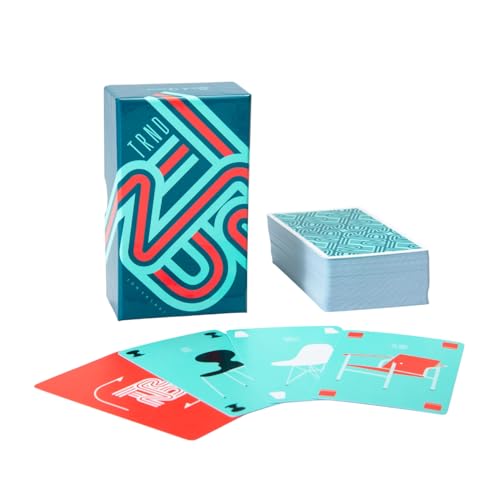
BoardGameBox TreeTrunk Compact Card Games
Three compact card games ship together on 100% post-consumer recycled cardboard, printed with plant-based inks. A recycled plastic binder holds the set instead of shrink wrap. Green Board Game Alliance certifies the eco claims behind the packaging.
Pros
- Recycled cardboard cuts virgin tree use per game
- One purchase includes three separate titles for varied play
- Green Board Game Alliance certification backs the sustainability claims
Cons
- Recycled cardstock shows a visible grain pattern, a cosmetic tradeoff
- The plastic binder limits full end-of-life recyclability

Regeneration Strategy Game
Players rebuild damaged ecosystems over 60 to 90 minutes in this strategy game. B-Corp and FSC certification cover both materials and labor practices. Vegetable inks and zero interior plastic keep the eco angle consistent throughout.
Pros
- B-Corp status verifies labor and environmental standards beyond the cardboard
- Ecosystem mechanics teach real concepts without lecturing players
- Strategic depth holds up for experienced tabletop gamers
Cons
- Long sessions do not fit quick weeknight game nights
- New players often need a 20-minute rules walkthrough

Haba Orchard Cooperative Game
Kids work together to beat the crow before it steals the fruit. Pieces use FSC-certified wood, and the storage bag is GOTS-certified organic cotton. Water-based paint keeps the whole set free of toxic substances, safe for age 3 and up.
Pros
- Large wooden pieces remove any small-part choking risk for toddlers
- GOTS-certified cotton bag goes beyond typical eco claims for board games
- Cooperative play builds early teamwork instead of competition
Cons
- Simple mechanics offer little replay value past age 6
- Wood pieces can splinter after repeated drops on hard floors

Sustainable Packaging Initiative Legacy Board Game
A mushroom-leather box replaces plastic shrink wrap entirely and composts at end of life. Cards use FSC cardboard, and tokens come from sustainably managed forests. Sessions run past two hours, built for players who want depth, not just eco credentials.
Pros
- Mushroom leather box is fully compostable at home or industrially
- Advanced rules reward players who enjoy long, complex strategy games
- Manufacturing is certified carbon-neutral, covering production and shipping
Cons
- Premium materials and carbon offsets push the price above typical eco games
- Mushroom leather wears faster than plastic over years of handling

Kinderspiel Educational Eco Game Series
Three separate games teach renewable energy, water conservation, and composting through play, not lectures. FSC cardboard and eco-inks keep the materials consistent with the subject matter. Packaging stays minimal, and pricing suits classroom and library budgets.
Pros
- Environmental lessons land without feeling preachy or forced
- Three topics give teachers or parents variety in one series
- Classroom-friendly pricing fits school and library budgets
Cons
- Artwork looks less polished than premium eco-game competitors
- Gameplay mechanics stay simpler than entertainment-focused titles

Mindful Games Nature Connection Set
Four simple games built around nature themes work for ages 4 through adult. Tokens use biodegradable seed paper that can go straight into soil after play. Recycled cardboard and plant-based inks round out the eco-friendly materials list.
Pros
- Seed paper tokens can be planted in soil after the game ends
- Age range spans young kids through grandparents at the same table
- Simple rules keep multi-generation family nights moving quickly
Cons
- Seed paper tokens wear out fast under heavy handling
- Visual design favors eco-messaging over polished artwork
How they stack up
| # | Model | Material | Best for | Score | Price |
|---|---|---|---|---|---|
| 1 | Seventh Generation Iota Card Game | FSC cardboard and soy ink | Best overall | 9.3 | Check price |
| 2 | BoardGameBox TreeTrunk Compact Card Games | 100% post-consumer recycled cardboard | Best value | 9.0 | Check price |
| 3 | Regeneration Strategy Game | B-Corp and FSC | Best for adults | 9.1 | Check price |
| 4 | Haba Orchard Cooperative Game | FSC wood and organic cotton | Best for young children | 8.8 | Check price |
| 5 | Sustainable Packaging Initiative Legacy Board Game | Mycelium (mushroom) leather | Best for advanced play | 8.9 | Check price |
| 6 | Kinderspiel Educational Eco Game Series | FSC cardboard and inks | Best educational value | 8.7 | Check price |
| 7 | Mindful Games Nature Connection Set | Recycled cardboard and seed paper | Best for family bonding | 8.6 | Check price |
Frequently asked questions
Are eco-friendly board games more expensive than regular ones?
Rarely. FSC cardboard and plant-based ink cost close to the same as standard materials at this scale. Premium packaging, like mushroom leather, does raise the price of higher-end titles. Basic eco-friendly games often match standard game pricing overall.
Do children’s board games need safety certifications?
Requirements vary by country. Most children’s games should meet CPSC guidelines in the US or CE marking in Europe. Eco-certified materials do not automatically guarantee toy safety compliance. Ask publishers for test reports if certifications are not listed on the box.
Can board game boxes and pieces be recycled?
Yes, in most cases. Remove any plastic inserts first and recycle them separately from cardboard. Cardstock, paper, and wooden tokens go into standard curbside recycling. Mushroom leather and other compostable materials often need industrial facilities instead.
How durable are eco-friendly board games compared to standard ones?
Durability comes down to cardstock thickness, not whether materials are eco-sourced. Well-made eco games outlast cheaply produced standard games over years of play. Haba and Seventh Generation titles hold up to regular family use without special care.
Do soy-based inks stain hands or clothing?
Not more than standard inks do. Soy ink actually transfers less than petroleum-based alternatives. Staining depends mostly on cardstock quality rather than ink source. Well-made cards rarely leave residue on hands during normal play.
Which eco-friendly board games teach environmental values best?
Games built around regeneration and ecosystem themes teach while staying entertaining. The Kinderspiel series targets specific topics like renewable energy and water conservation. Entertainment-first titles with eco materials model sustainable choices without direct lessons.
Are wooden game pieces better than plastic for sustainability?
Yes, wood sourced from FSC-certified forests biodegrades where plastic never does. Wooden tokens can splinter if dropped repeatedly on hard surfaces. Quality FSC wood pieces still hold up fine under normal, regular play.
Can eco-friendly board games be composted at home?
Check the specific disposal instructions for each game before assuming. FSC cardboard breaks down in industrial compost but can take years in a home pile. Mushroom leather and seed paper tokens compost at home much faster.
Our take
Seventh Generation Iota earns the top spot for transparent sourcing and gameplay that never feels compromised by its eco materials. Families with kids under 6 should pick the Haba Orchard game instead, since its cooperative rules and oversized wooden pieces fit younger hands better. Either choice delivers real sustainability credentials without a quality tradeoff.
Rachel Simmons
Rachel previously worked in child-product retail and brings a practical, detail-first eye to gear reviews, focusing on safety standards, ease of use and the fine print that matters most for new caregivers.


