How to Choose the Right Beginner DSLR Camera
Nikon D3500 suits new photographers best thanks to its guided menus and long battery life. Canon EOS Rebel T7 delivers the most camera for the least money. Canon EOS Rebel SL3 stays impressively small and light for travel while keeping a flip-out touchscreen.
Nikon D3500 is the easiest body to learn on, Canon EOS Rebel T7 gives the most camera for the least money, and Canon EOS Rebel SL3 wins when size matters most. Any of the three teaches the fundamentals without fighting the photographer.
Spec sheets rarely reveal how a camera feels in the hand or how quickly a beginner outgrows it, which makes a first DSLR tricky to choose. We weighed autofocus reliability, menu clarity, battery stamina, kit-lens quality and system size so the camera still makes sense a year from now.
Our top picks

Nikon D3500
A large APS-C sensor pairs with a built-in Guide Mode that explains each setting as the shutter is pressed. Battery life stretches to roughly 1550 shots, so a single charge covers a full day of learning. Weight stays under 400 grams for the body alone.
Pros
- Guide Mode teaches settings as you shoot
- Class-leading battery life
- Light and comfortable to hold
Cons
- Fixed rear screen
- No built-in microphone jack

Canon EOS Rebel T7
Sold as the EOS 2000D outside North America, this body delivers a proven Canon interface and solid image quality for modest outlay. Wi-Fi and NFC handle quick transfers to a phone. It works as a sensible landing spot for anyone wary of overspending on a first camera.
Pros
- Approachable Canon menu system
- Generous 24MP resolution for the money
- Wi-Fi for quick phone transfers
Cons
- Nine-point autofocus feels dated
- Slower continuous shooting

Canon EOS Rebel SL3
Known as the EOS 250D in many regions, this is one of the smallest DSLRs made yet keeps a fully articulating touchscreen. Dual Pixel autofocus speeds up live view shooting noticeably. Travelers get reach and a viewfinder without the usual DSLR bulk.
Pros
- Very compact for a DSLR
- Flip-out touchscreen for vlogging angles
- Fast Dual Pixel autofocus in live view
Cons
- 4K video is heavily cropped
- Single control dial
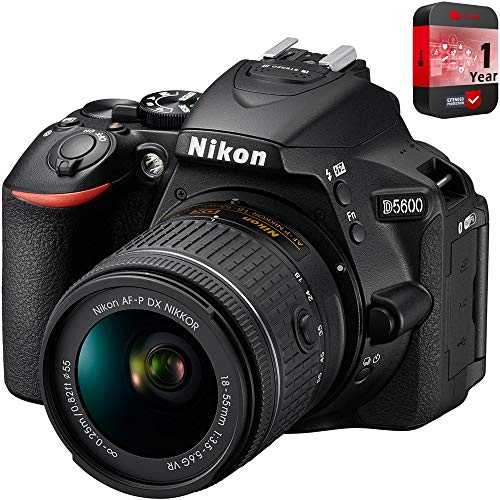
Nikon D5600
A vari-angle touchscreen and a stronger 39-point autofocus module set this apart from the D3500. SnapBridge Bluetooth keeps a phone connected for automatic photo transfer. It rewards beginners who expect to push into manual shooting fairly quickly.
Pros
- Flexible articulating touchscreen
- More autofocus points than the D3500
- Comfortable deep grip
Cons
- No in-body image stabilization
- Costs more than true starter bodies

Pentax K-70
A fully weather-sealed body and in-camera shake reduction set this apart at the entry level, where both are rare. Hikers and anyone shooting in unpredictable weather gain real peace of mind. A bright pentaprism viewfinder rounds out the package.
Pros
- Weather-sealed against dust and rain
- Built-in stabilization works with any lens
- Bright pentaprism viewfinder
Cons
- Smaller lens ecosystem
- Live-view autofocus lags rivals

Canon EOS 90D
A high-resolution 32.5MP sensor and fast 10fps burst shooting make this a camera unlikely to be outgrown quickly. Twin control dials and a joystick suit ambitious newcomers who want manual control from day one. Sports and wildlife shooting fit its capability well.
Pros
- High 32.5MP detail
- Quick continuous shooting for action
- Twin control dials and joystick
Cons
- Heavier than starter bodies
- More menus to learn upfront
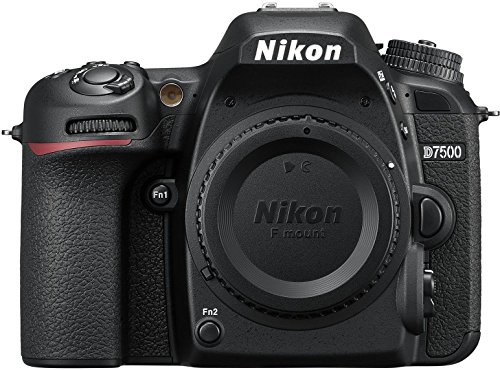
Nikon D7500
Sensor tech borrowed from Nikon’s higher tier shoots quick bursts inside a rugged, sealed body. A 51-point autofocus system tracks movement more reliably than entry bodies in this list. Sports, pets and wildlife suit it well for a beginner wanting headroom from the start.
Pros
- Reliable tracking autofocus
- Excellent high-ISO performance
- Weather-sealed magnesium build
Cons
- Single memory card slot
- Priced above true entry level
How they compare
| # | Model | Sensor | Best for | Score | Price |
|---|---|---|---|---|---|
| 1 | Nikon D3500 | 24.2MP APS-C | Best overall | 9.4 | Check price |
| 2 | Canon EOS Rebel T7 | 24.1MP APS-C | Best value | 9.0 | Check price |
| 3 | Canon EOS Rebel SL3 | 24.1MP APS-C | Best for travel | 8.9 | Check price |
| 4 | Nikon D5600 | 24.2MP APS-C | Best for creative control | 8.8 | Check price |
| 5 | Pentax K-70 | 24.2MP APS-C | Best for outdoor use | 8.6 | Check price |
| 6 | Canon EOS 90D | 32.5MP APS-C | Best for room to grow | 8.4 | Check price |
| 7 | Nikon D7500 | 20.9MP APS-C | Best for fast action | 8.2 | Check price |
What to look for
Why sensor size matters more than megapixel count Every camera here uses an APS-C sensor, far larger than a phone sensor and the real reason DSLR photos look cleaner in low light. Chasing higher megapixel counts brings diminishing returns for a beginner. Prioritize a body that feels good in hand and focuses reliably over a bigger number on the box.
How fast a beginner outgrows entry-level autofocus Entry bodies like the D3500 use simpler autofocus that suits portraits and landscapes but struggles with fast movement. Anyone who already knows they want sports, pets or running kids benefits from stepping up to a 39-point or 51-point system. That upgrade avoids replacing the whole camera within a year.
The kit lens question Most of these cameras sell with an 18-55mm kit lens that performs perfectly well while learning. Lens system cost matters more long term, so weigh whether Canon, Nikon or Pentax offers the affordable primes and zooms wanted next before committing to a brand.
Handling, weight and screens A camera enjoyable to hold gets carried more often. Compact bodies like the SL3 travel easily, while articulating touchscreens help with low or high angles and casual video. Handling a few in person matters, since grip comfort and menu clarity speed up learning more than any single spec.
Questions worth asking
Is a DSLR still worth buying over a mirrorless camera?
Yes for beginners on a budget. DSLRs like these stay widely available at low prices, carry huge selections of affordable used lenses, and their optical viewfinders make learning composition intuitive. Mirrorless is the newer path, but a DSLR teaches the same fundamentals for less.
Do I need extra lenses right away?
No. The bundled 18-55mm kit lens covers everyday shooting and works fine as a starting point. Once a preferred subject becomes clear, a single affordable prime lens usually makes the most rewarding next purchase.
What is the easiest DSLR to learn on?
Nikon D3500 stands out for absolute beginners because its Guide Mode walks through exposure settings on screen and explains what each control does while adjusting it.
How important is 4K video for a first camera?
For most newcomers it acts as a bonus rather than a deciding factor. The SL3 and 90D both handle 4K, though the SL3 crops it heavily, so checking the mode before relying on it matters.
Will these cameras work with older lenses?
Canon EF and EF-S lenses fit the Canon bodies, and Nikon F-mount lenses fit the Nikon bodies, including many older models. That backward compatibility keeps DSLRs affordable to build a kit around over time.
How many megapixels does a beginner actually need?
The 24MP found on most of these cameras handles large prints and heavy cropping just fine. The 32.5MP Canon 90D adds crop room but also produces bigger files, so more resolution is not automatically better for a first camera.
Should a first DSLR be bought new or used?
Buying new brings warranty coverage and a known shutter count, both of which matter for a first camera. Used bodies stretch a budget further, but stick to reputable sellers and check shutter actuations before committing.
Is weather sealing necessary for a beginner?
Only for outdoor shooting in rough conditions. Most people learning indoors or in fair weather will not miss it, but hikers and travelers may appreciate the sealed Pentax K-70 or the tougher Nikon D7500.
Canon vs Nikon: which is better for a first DSLR?
Both brands teach the same fundamentals equally well. Canon menus feel slightly more approachable to some newcomers, while Nikon’s D3500 uniquely walks beginners through settings with its Guide Mode. Lens ecosystem availability matters more long term than the brand name itself.
Do beginner DSLRs shoot video well?
Basic video works fine for casual clips, but resolution, crop factor and autofocus during recording vary a lot between models. The SL3 and 90D handle video best in this group, though the SL3’s 4K mode crops significantly.
Our pick
Nikon D3500 stands out as the smartest first DSLR for most people, teaching as it shoots and lasting all day on a single charge. Budget-focused buyers should look at the Canon EOS Rebel T7, while anyone wanting speed and headroom from day one will get more from the Canon EOS 90D or Nikon D7500.
Marcus Chen
Marcus covered consumer electronics for enthusiast tech publications for six years before joining ChoiceCrest. He specializes in translating manufacturer spec sheets into plain-language buying advice, with a focus on audio, computing accessories and smart-home gear.