Drones That Beginners Can Actually Learn to Fly
DJI Mini 4K is the best all-around starter, pairing stable GPS flight with a genuinely usable camera. Ryze Tello is the affordable way to learn indoors. DJI Neo is the crashproof pick for hands-free self-filming.
DJI Mini 4K is the drone most new pilots should start with, combining stable flight, useful safety modes and a camera worth sharing. Ryze Tello offers a low-cost way to learn indoors. DJI Neo removes crash anxiety almost entirely for hands-free self-filming, and each solves a different beginner problem.
Choosing a first drone is tricky because the cheapest toys are often the hardest to fly, drifting in the slightest breeze until a new pilot gives up. Some capable drones also carry weight rules and registration requirements that catch beginners off guard. We weighed flight stability, built-in safety features like GPS hold and obstacle protection, camera quality and beginner-friendly flight time to rank drones that build confidence instead of destroying it.
What we recommend
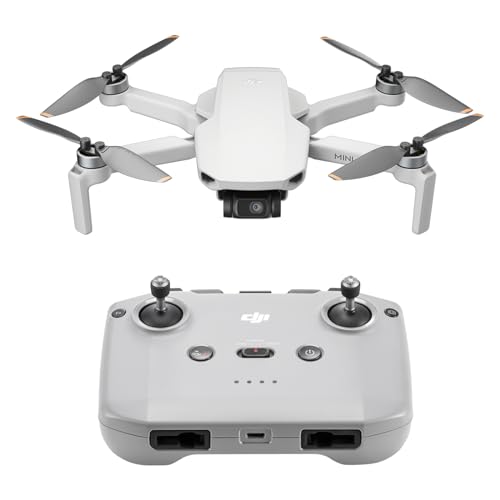
DJI Mini 4K
GPS-locked hovering and automatic return-to-home keep a first flight calm instead of chaotic. A stabilized 4K camera captures footage actually worth sharing. Weighing under 249 grams also eases registration requirements in many regions.
Pros
- GPS hover stays rock-steady
- 4K video is genuinely shareable
- Sub-249g weight eases registration rules
Cons
- No obstacle sensors onboard
- Light body gets pushed around in wind
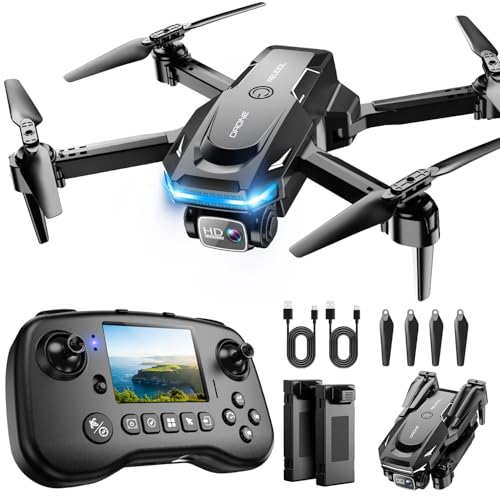
Ryze Tello
Small size and forgiving handling make this the classic drone for practicing indoors without fear of a wall. Simple coding lessons are built in, appealing to kids and cautious first-timers alike. A 720p camera and roughly 13-minute flight time keep expectations realistic.
Pros
- Very affordable entry point
- Stable enough for indoor practice
- Coding features add a learning angle
Cons
- Camera tops out at 720p
- Flight time runs short at around 13 minutes

DJI Neo
Fully enclosed propeller guards make this the least intimidating drone to hand a total beginner. It launches from a palm and can follow and film automatically, no controller required. Flight time runs shorter than most at around 18 minutes.
Pros
- Enclosed props make it genuinely safe
- Palm launch and auto-follow work without a controller
- Filming yourself hands-free is simple
Cons
- Flight time trails other picks here
- Manual flying range stays limited

Holy Stone HS430
Prop guards and gentle handling suit younger pilots who need forgiving controls. Multiple batteries ship in the box, so one short flight does not end the fun. A 1080p camera keeps footage basic but usable.
Pros
- Controls stay simple for children
- Extra batteries extend playtime
- Prop guards protect against bumps
Cons
- No GPS hold, so it drifts in wind
- Camera quality stays basic

Holy Stone HS175D
GPS features like return-to-home and position hold reach a wallet-friendly price point here. A foldable body keeps it portable between outdoor sessions. Combined battery flight time runs around 40 minutes across charges.
Pros
- GPS features at an affordable price
- Long combined flight time across batteries
- Foldable design travels easily
Cons
- Camera quality trails DJI models
- App interface can feel clunky

Potensic Atom SE
GPS hold, return-to-home and a stabilized camera fit into a sub-250g frame at a price below the big names. Flight time runs around 31 minutes on a charge. This lands as a strong middle-ground pick for beginners who want more than a toy drone.
Pros
- Strong feature set for the price
- GPS-assisted flight stays stable
- Light enough to ease registration rules
Cons
- Gimbal is missing in some modes
- Control range falls short of DJI models

DJI Mini 3
A true mechanical gimbal and up to 38 minutes of flight time give new pilots real room to grow. Vertical video mode suits social clips without extra editing. Higher upfront cost and more features to learn come with that headroom.
Pros
- Mechanical gimbal smooths video output
- Vertical mode fits social media clips
- Flight time leads this group
Cons
- Costs more than other beginner picks
- More features to learn upfront
How to choose
Why the cheapest drone is not the easiest Lowest-priced toy drones usually skip GPS entirely, and they drift constantly in the slightest breeze. A drone with GPS position hold sits still in the air on its own, which forgives far more mistakes on a first flight. Paying a little more for stability often prevents an early crash that ends the hobby before it starts.
Weight rules worth knowing before buying Many countries treat drones under 249 grams more leniently, with lighter registration or none at all for recreational flying. That threshold is exactly why so many beginner drones land just below it. Rules on registration and where flying is allowed still apply even to small camera drones, so checking the local aviation authority matters regardless of weight.
Safety features that actually build confidence Return-to-home automatically brings a drone back if the signal drops or the battery runs low, and prop guards make indoor bumps harmless. Together they turn nerve-wracking moments into non-events. Enclosed propellers, like those on palm-launch models, allow flying close to people without worry.
Flight time and why spare batteries matter Beginner drones typically fly 15 to 30 minutes per charge, and early practice burns through that fast while learning basic controls. A model bundled with spare batteries keeps a session going long enough to actually improve. Charging downtime is worth planning around so a short flight does not end an afternoon early.
Compared at a glance
| # | Model | Camera | Best for | Score | Price |
|---|---|---|---|---|---|
| 1 | DJI Mini 4K | 4K stabilized | Best overall | 9.4 | Check price |
| 2 | Ryze Tello | 720p | Best budget | 8.8 | Check price |
| 3 | DJI Neo | 4K stabilized | Best for self-filming | 9.1 | Check price |
| 4 | Holy Stone HS430 | 1080p | Best for kids | 8.5 | Check price |
| 5 | Holy Stone HS175D | 4K adjustable | Best GPS starter | 8.6 | Check price |
| 6 | Potensic Atom SE | 4K | Best value camera drone | 8.7 | Check price |
| 7 | DJI Mini 3 | 4K gimbal | Best for growing into | 9.0 | Check price |
Questions worth asking
What makes a drone easy to fly for a beginner?
GPS position hold matters most, since it lets a drone hover steadily on its own instead of drifting. Return-to-home and prop guards add safety nets that make early mistakes harmless rather than costly.
Do beginner drones need to be registered?
It depends on weight and country. Many stay under 249 grams specifically to ease or avoid registration, but rules vary, so checking the local aviation authority before the first flight is worth the five minutes.
Are camera drones too advanced for a first-timer?
Not anymore. Several beginner drones pair a stabilized camera with automatic safety modes, so decent footage happens while the drone itself handles staying steady.
How long do beginner drones fly on one charge?
Most manage 15 to 30 minutes, with lighter toy models on the shorter end. Buying spare batteries is the simplest way to stretch a practice session.
Can a drone be flown indoors to practice?
Yes, and small drones with prop guards, like the Ryze Tello, are built for exactly that. Indoor practice in a clear room builds basic control before wind becomes a factor outside.
What does return-to-home actually do?
It automatically flies a drone back to its launch point if the battery runs low or the signal drops. It is one of the more reassuring features a new pilot can have active.
Does wind affect lightweight beginner drones more?
Yes. The same low weight that eases registration rules also makes ultralight drones easier for gusts to push around. Calmer days suit learning far better than windy ones.
Best drone for a kid just starting out?
The Holy Stone HS430 fits best, with prop guards, gentle handling and extra batteries included. The Ryze Tello is a step up for kids ready to try simple coding lessons too.
Should a beginner buy cheap or invest more upfront?
Buying cheap works fine for learning the basics on an inexpensive, stable drone. Investing more upfront in a model with a gimbal, like the DJI Mini 3, avoids an upgrade a few months later for anyone who already knows they want good video.
DJI Mini 4K vs DJI Neo, which suits a beginner better?
DJI Mini 4K suits general flying and travel, with GPS stability and sharper 4K video. DJI Neo suits hands-free self-filming specifically, launching from a palm with fully enclosed props for safety.
The verdict
DJI Mini 4K is the drone most new pilots should reach for first, balancing steady flight, smart safety modes and a camera worth actually using. Ryze Tello works as a low-risk way to learn indoors, while DJI Neo fits best when hands-free self-filming with maximum safety is the goal.
Marcus Chen
Marcus covered consumer electronics for enthusiast tech publications for six years before joining ChoiceCrest. He specializes in translating manufacturer spec sheets into plain-language buying advice, with a focus on audio, computing accessories and smart-home gear.


