Grooming Brushes Matched to a Dog’s Actual Coat
The FURminator deShedding Tool is the best overall grooming brush for heavy-shedding double-coated breeds, reaching the undercoat without cutting the topcoat. KONG’s ZoomGroom suits short-haired dogs and sensitive skin. Safari covers the budget tier.
The FURminator deShedding Tool leads this list for owners of heavy-shedding double-coated breeds, since its edge reaches loose undercoat hair that a standard brush leaves behind. Short-haired dogs and sensitive-skin cases do better with the gentler silicone bristles of KONG’s ZoomGroom instead. Owners building a basic grooming kit on a budget can start with Safari’s shedding brush.
Coat type determines which brush actually works, since a tool built for double coats can irritate a short-haired dog’s skin while a soft brush barely touches a thick undercoat. We compared bristle or tooth design, how each tool handled matted or tangled fur, and grip comfort across current listings, then checked owner reports on shedding reduction after regular use.
The top picks, ranked
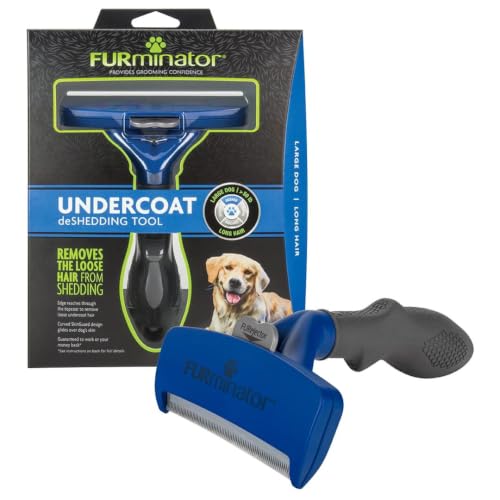
FURminator deShedding Tool for Dogs
A stainless steel edge pulls loose undercoat hair out without cutting the topcoat, the key difference between this tool and a standard slicker brush. A button on the handle ejects collected fur for quick cleanup between strokes. Double-coated breeds like Huskies or Labradors see the most noticeable reduction in loose shedding hair.
Pros
- Reaches undercoat hair standard brushes miss
- FurEjector button speeds up cleanup
- Noticeable shedding reduction with regular use
Cons
- Too aggressive for short-haired or thin-coated dogs
- Requires correct technique to avoid skin irritation

Hertzko Self-Cleaning Slicker Brush
Retractable fine bristles pull loose fur and detangle mats, then retract into the base with one button press for fast cleanup. This suits owners who groom frequently and want to avoid picking hair out of bristles by hand each time. The fine bristles work across a range of coat lengths rather than specializing in just one type.
Pros
- Retractable bristles speed up cleanup significantly
- Works across multiple coat lengths
- Effective at detangling light mats
Cons
- Less specialized than FURminator for heavy undercoat shedding
- Fine bristles can feel sharp on very sensitive skin if used too firmly

Chris Christensen Big G Slicker Brush
Long, flexible pins reach deep into a long or curly coat without snagging the way shorter, stiffer bristles can. This brush is popular among show dog handlers for the smooth, polished finish it leaves on longer coats. The gentler pin flex trades some aggressive detangling power for coat gentleness.
Pros
- Gentle on long or curly coats
- Leaves a smooth, polished finish
- Trusted among show dog handlers
Cons
- Costs more than standard slicker brushes
- Less effective on thick double-coat undercoats

KONG ZoomGroom
Soft rubber nubs massage the skin while loosening shed hair, a gentler approach suited to short-haired breeds or dogs with sensitive skin. The rubber construction also works as a bath brush, distributing shampoo while cleaning. It does not reach deep undercoat the way a metal-toothed tool does.
Pros
- Gentle enough for sensitive skin
- Doubles as an effective bath brush
- Dogs often enjoy the massage sensation
Cons
- Does not reach deep undercoat on double-coated breeds
- Less effective at removing mats than slicker brushes

Safari Shedding Brush
A simple shedding blade covers basic deshedding needs at a lower cost than premium tools like FURminator’s. The handle design keeps grip comfortable for shorter grooming sessions rather than extended professional use. Results are noticeable but less dramatic than dedicated undercoat tools on heavy-shedding breeds.
Pros
- Lower cost than premium deshedding tools
- Rounded teeth reduce scratch risk
- Adequate for moderate shedding coats
Cons
- Less effective than FURminator on heavy double coats
- Handle comfort lags behind premium ergonomic designs

HandsOn Grooming Gloves
A glove shape lets grooming feel like petting rather than an unfamiliar tool touching the skin, useful for anxious dogs or puppies new to grooming. Rubber nubs on the palm and fingers catch loose fur during what feels like normal affection. Fur collection works best on shorter coats rather than thick, matted fur.
Pros
- Feels familiar to anxious or first-time dogs
- Doubles as normal petting and grooming
- Easy to use without special technique
Cons
- Less effective on thick or matted coats
- Lower shedding reduction than dedicated brush tools

Delomo Pet Grooming Brush
Self-cleaning bristles retract for quick cleanup, similar in concept to Hertzko’s design but at a lower price point. Shorter bristle length suits everyday maintenance brushing on short-haired dogs rather than deep undercoat work. This fills a basic daily-brushing role without the specialized undercoat reach of dedicated deshedding tools.
Pros
- Lower cost than premium self-cleaning brushes
- Easy cleanup with retractable bristles
- Suits daily light maintenance brushing
Cons
- Not designed for deep undercoat shedding removal
- Bristles shorter than Hertzko’s competing design
The lineup, side by side
| # | Model | Best for | Best for | Score | Price |
|---|---|---|---|---|---|
| 1 | FURminator deShedding Tool for Dogs | Double-coated, heavy-shedding breeds | Best overall for shedding | 9.2 | Check price |
| 2 | Hertzko Self-Cleaning Slicker Brush | Medium to long-haired coats, general detangling | Best for easy cleanup | 9.0 | Check price |
| 3 | Chris Christensen Big G Slicker Brush | Long or curly coats, show-quality finishing | Best premium for long coats | 8.8 | Check price |
| 4 | KONG ZoomGroom | Short-haired breeds, sensitive skin | Best for sensitive skin and short coats | 8.6 | Check price |
| 5 | Safari Shedding Brush | General shedding reduction, moderate coats | Best budget | 8.2 | Check price |
| 6 | HandsOn Grooming Gloves | Anxious dogs, puppies, short coats | Best for anxious or first-time dogs | 8.0 | Check price |
| 7 | Delomo Pet Grooming Brush | Short-haired dogs, daily maintenance brushing | Best for everyday short-coat maintenance | 7.9 | Check price |
Before you buy
Matching brush type to actual coat type Double-coated breeds, like Huskies, Labradors, and German Shepherds, need a tool that reaches the dense undercoat without just skimming the topcoat, which is where deshedding tools like FURminator’s edge outperform standard brushes. Short-haired breeds generally shed less volume but still benefit from a gentle rubber-nub brush that loosens hair without irritating thinner skin. Long or curly coats need flexible pin brushes that detangle without snagging and pulling at knots. Buying based on actual coat type, not just overall brush reputation, determines whether a tool works well or barely helps at all.
Sensitive skin and first-time grooming considerations Dogs with sensitive skin, or breeds prone to skin conditions, do better with rubber-based tools like KONG’s ZoomGroom that massage rather than scrape. Anxious dogs or puppies new to grooming often tolerate a glove-style tool better since it mimics normal petting rather than an unfamiliar object. Metal-toothed deshedding tools require correct technique and gentle pressure to avoid skin irritation, especially on thinner-coated areas like the belly. Starting gently with a glove or rubber brush before introducing metal tools helps build tolerance in nervous or new dogs.
Cleanup convenience for frequent grooming routines Self-cleaning or retractable-bristle brushes, like Hertzko’s and Delomo’s designs, save time for owners who brush daily or multiple times a week. A button-release feature on deshedding tools similarly speeds up clearing collected fur between strokes. Owners who groom less frequently may not need this convenience as much, since occasional cleanup by hand is manageable. Weighing how often grooming actually happens against the added cost of self-cleaning features helps decide if it is worth paying for.
Professional finish versus functional deshedding Show-quality brushes, like the Chris Christensen Big G, prioritize a smooth, polished coat finish over maximum shedding reduction, suited to breeds entered in competitions or owners who prioritize coat appearance. Functional deshedding tools prioritize pulling out the most loose hair, sometimes at the cost of a slightly less polished look afterward. Most pet owners benefit more from the functional approach, reserving show-quality brushes for breeds or situations where coat presentation genuinely matters. Matching brush choice to the actual goal, shedding control or coat appearance, avoids overspending on features that go unused.
Questions worth asking
What brush is best for a double-coated dog that sheds heavily?
Deshedding tools with a stainless steel edge, like FURminator’s, reach the undercoat most effectively on heavy-shedding breeds.
Can grooming brushes cause skin irritation?
Yes, metal-toothed tools used with too much pressure or incorrect technique can irritate skin, especially on thin-coated areas.
How often should a dog be brushed?
Short-haired breeds benefit from weekly brushing, while double-coated or long-haired breeds often need several sessions per week.
Are rubber grooming brushes effective for shedding?
They loosen and collect shed hair gently, working well for short coats though less thoroughly than metal deshedding tools on thick undercoats.
Can grooming gloves replace a regular brush?
For short-haired or anxious dogs, yes, though they are less effective than dedicated brushes on thick or matted coats.
Do self-cleaning brushes work as well as regular slicker brushes?
Yes, the retraction mechanism mainly speeds up cleanup without reducing how effectively the bristles detangle or collect fur.
What is the difference between a slicker brush and a deshedding tool?
A slicker brush detangles and smooths the topcoat, while a deshedding tool is designed specifically to pull loose undercoat hair.
Is it safe to brush a dog’s belly with a deshedding tool?
Lighter pressure is recommended on the belly and other thin-skinned areas, where standard pressure can cause irritation.
Can one brush work for multiple dogs with different coat types?
A single brush rarely suits all coat types well; owners with multiple breeds often need two or more brush styles.
Do grooming brushes help reduce shedding around the house?
Yes, regular brushing removes loose hair before it falls out naturally, noticeably reducing shedding on floors and furniture.
The bottom line
The FURminator deShedding Tool suits most owners of double-coated, heavy-shedding breeds who want real undercoat reduction. Owners of short-haired dogs or those with sensitive skin should choose the KONG ZoomGroom instead for its gentler rubber design. Anyone building a first grooming kit on a budget should start with the Safari Shedding Brush before investing in premium tools.
Olivia Hartley
Olivia spent several years working at an animal shelter and a pet-supply retailer before joining the editorial team. She researches pet gear with an emphasis on safety, comfort and the fine print that owners often miss.