Craft Wire Picks for Jewelry, Kids Projects and Floral Work
Beadalon Artistic Wire suits most jewelry makers, thanks to consistent temper and a tarnish resistant coating across a wide color range. Parawire’s dead soft copper coils curve by hand for wire wrapping. Craft County’s aluminum multipack costs less per spool, fitting classroom and kids projects on a budget.
Beadalon Artistic Wire tops this list for jewelry makers who want one spool that handles multiple project types. Its half hard temper holds bends without kinking, and the coating resists tarnish for months of handling. The tradeoff is a narrower color range than dedicated colored-wire sets.
Gauge numbers run backward across brands, and temper labels rarely explain what they mean for a finished piece. We compared spool specifications, coating durability claims and owner feedback across current listings to sort these seven by real use case rather than marketing language.
How to pick the right one
What gauge means for craft wire Gauge numbers run backward from actual thickness. A 28 gauge wire measures thin and flexible, while a 16 gauge wire runs thick and stiff. Jewelry wrapping typically falls between 20 and 26 gauge. Floral stems and armature work need 16 to 18 gauge for real support.
Copper vs aluminum vs steel for craft wire Copper takes a solder joint and holds a polish, so it suits jewelry built to last years. Aluminum costs less and bends by hand, which fits classrooms and kids’ projects. Steel core wire, usually paper wrapped, adds rigidity to floral stems without copper’s weight.
How temper changes what a wire can do Dead soft wire curves around beads and cabochons using finger pressure alone. Half hard wire keeps a bent shape longer, which matters for clasps and ear wires. Full hard wire resists bending almost entirely, making it the choice for armatures that hold a static pose.
Which coating lasts longest on colored wire Anodizing bakes color into the metal, so it resists chipping through repeated bends. Silver or gold plated copper tarnishes slower than bare copper, though plating can wear thin at sharp folds. Bare copper develops a natural patina within weeks unless sealed with a clear coat.
Our top picks

Beadalon Artistic Wire 20 Gauge Tarnish Resistant
Half hard temper on this 20 gauge spool holds bends through repeated shaping without kinking. A silver plated copper core resists tarnish for months, according to owner reports. Fifteen yards covers several small jewelry pieces or one larger wrapped design.
Pros
- Half hard temper resists kinking during repeated bends
- Silver plated core resists tarnish per owner reports
- Fifteen yard spool covers multiple small projects
Cons
- Not stiff enough for heavy armature work
- Fewer color choices than dedicated colored-wire sets

Parawire 20 Gauge Dead Soft Copper Wire
Dead soft temper lets this 20 gauge wire curve around cabochons and beads with finger pressure alone. Parawire coils it on a 10 yard spool built for wrapping projects that eat up length fast. Bare copper develops a natural patina without added sealant.
Pros
- Curves by hand without pliers for wrapping curves
- Bare copper finish patinas naturally over time
- Ten yard length suits wrapping-heavy projects
Cons
- Dead soft temper loses its shape under stress
- Uncoated copper tarnishes without a sealant

Craft County Aluminum Craft Wire Multipack
Ten spools of colored 12 gauge aluminum wire ship together in one multipack sized for group projects. Kids bend it by hand since aluminum needs no pliers to shape. Color stays bright because the coating bakes onto the wire rather than sprayed on.
Pros
- Ten colors included in a single purchase
- Bends safely by hand without tools
- Low cost per spool for classroom groups
Cons
- Aluminum is too soft for load-bearing shapes
- 12 gauge thickness limits fine detail work
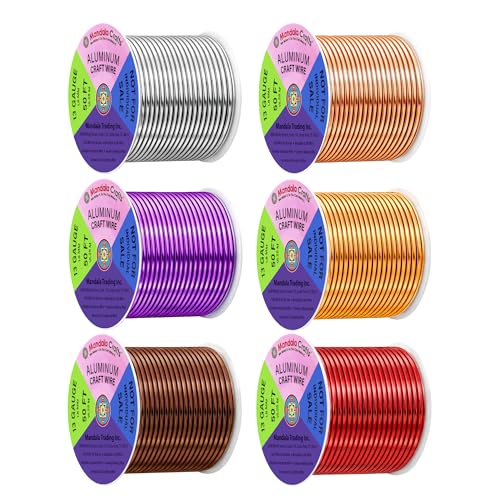
Mandala Crafts Anodized Jewelry Wire Set
This set packs six gauges, from 18 to 28 AWG, into one box for jewelry makers switching thickness mid-design. Anodized aluminum holds saturated color without paint that flakes during bending. Ten yards per gauge keeps the set light compared to copper equivalents.
Pros
- Six gauges included in one purchase
- Anodized finish resists chipping and fading
- Lighter weight than copper wire of the same gauge
Cons
- Aluminum lacks the strength copper offers for structural pieces
- Cannot be soldered like copper or silver wire

Bright Creations Copper Wire Spool for Sculpting
Full hard temper and 16 gauge thickness give this copper spool the stiffness figure armatures need. Twenty five feet runs continuous, so sculptors avoid splicing mid-project. The gauge also suits floral stems that must support clay or foam.
Pros
- Stiff enough to support clay armatures
- Continuous 25 foot length avoids splices
- Holds bent angles under sustained weight
Cons
- Too rigid for fine jewelry wrapping by hand
- Requires pliers rather than finger bending

Amazing Wire Jewelry Silver Plated Wire Spool
A silver plated copper core keeps this 22 gauge wire bright through handling without a sealant coat. Plating resists the black tarnish bare copper develops within weeks. Half hard temper suits wrapped pendants and ear wire designs.
Pros
- Plating resists tarnish longer than bare copper
- Half hard temper suits small wrapped pieces
- Smooth finish avoids snagging on thread or beads
Cons
- Plating can wear thin at sharp fold points
- One gauge only per spool purchase
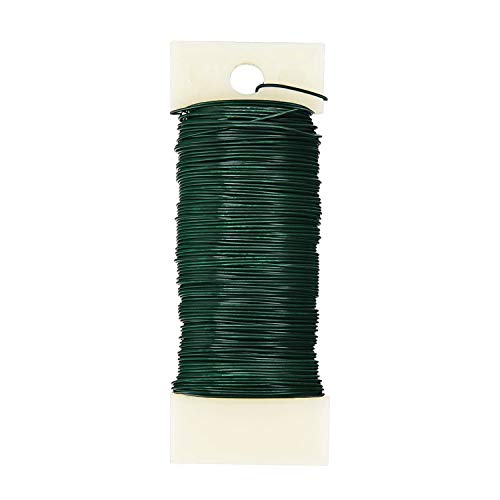
Craft County Floral Wire Multipack
Paper wrapped steel wire in three mixed gauges covers stem wrapping and wreath forms in one box. Green paper hides bare metal inside finished arrangements. Precut 18 inch stems save cutting time on large batches.
Pros
- Precut stems save time on large batches
- Paper coating hides bare wire in bouquets
- Mixed gauges cover light and heavy stems
Cons
- Precut length limits use in taller arrangements
- Steel core rusts if the paper coating tears
How they stack up
| # | Model | Gauge | Best for | Score | Price |
|---|---|---|---|---|---|
| 1 | Beadalon Artistic Wire 20 Gauge Tarnish Resistant | 20 AWG | Best overall | 9.4 | Check price |
| 2 | Parawire 20 Gauge Dead Soft Copper Wire | 20 AWG | Best for wire wrapping | 9.1 | Check price |
| 3 | Craft County Aluminum Craft Wire Multipack | 12 AWG | Best for kids crafts | 8.8 | Check price |
| 4 | Mandala Crafts Anodized Jewelry Wire Set | 18, 20, 22, 24, 26, 28 AWG mixed | Best for colored wire | 8.6 | Check price |
| 5 | Bright Creations Copper Wire Spool for Sculpting | 16 AWG | Best for sculpting and armature | 8.4 | Check price |
| 6 | Amazing Wire Jewelry Silver Plated Wire Spool | 22 AWG | Best for tarnish resistance | 8.2 | Check price |
| 7 | Craft County Floral Wire Multipack | 18, 20, 22 gauge mixed | Best for floral and wreath work | 8.0 | Check price |
Questions worth asking
What gauge craft wire works best for jewelry making?
Most jewelry makers reach for 20 to 26 gauge wire. Thicker 20 gauge suits frames and clasps, and 26 gauge fits fine wrapping around small beads.
Is copper or aluminum wire better for crafts?
Copper holds a polish and accepts solder, so it lasts longer in wearable jewelry. Aluminum weighs less, costs less and bends by hand, which suits kids’ projects and quick decor pieces.
Can floral wire double as jewelry wire?
Floral wire is usually steel wrapped in paper, and it will not hold a polish or resist tarnish like copper. Use it for stems and wreath forms, not wearable pieces.
What is the difference between dead soft and half hard wire?
Dead soft wire bends with light finger pressure, which suits wrapping around beads. Half hard wire resists bending more and holds its shape better in clasps and ear wires.
Does anodized aluminum wire fade with use?
The anodized coating bakes into the metal, so it resists fading better than painted wire. Sharp, repeated bends can still wear the color thin right at the fold.
What wire gauge suits wrapping stones and cabochons?
Wire wrapping around cabochons usually pairs 18 to 20 gauge for the frame with 24 to 26 gauge for the binding wraps.
Which craft wire is safest for kids to bend by hand?
Soft aluminum around 12 to 18 gauge bends without pliers, making it the safer pick for classroom and kids’ craft sessions.
Tarnish resistant wire vs bare copper, which lasts longer?
Silver or gold plated wire stays bright far longer than bare copper, which starts to darken within weeks unless sealed with a clear coat.
How much craft wire do you need for a bracelet or pendant?
A single wrapped bracelet or pendant typically uses 2 to 4 feet of wire, so a 10 to 15 yard spool covers several finished pieces.
Our pick
Beadalon Artistic Wire remains the strongest all-around choice, pairing a tarnish resistant coating with a temper that holds shape across multiple project types. Wire wrappers working stones and cabochons should reach for the Parawire dead soft coil instead, since it curves by hand without any tools. Anyone running a classroom or kids’ session should skip both and pick the Craft County aluminum multipack for its low per-spool cost and hand-safe bending.
Jake Monroe
Jake worked as a residential contractor for over a decade before shifting to full-time writing. He evaluates power tools, hand tools and workshop gear through the lens of someone who has actually used them on job sites, not just read the box.


