Are Chicken Coop Heaters Safe for Winter Flocks?
Cozy Products’ CL Cozy Coop leads because its radiant panel stays below bedding ignition temperature, removing the classic heat lamp fire risk. Sweeter Heater’s overhead unit covers larger coops from above, and the RentACoop 200W panel balances output, flexible mounting and value for mid sized flocks.
Backyard flocks that need warmth should start with the Cozy Products CL Cozy Coop, a wall panel that warms nearby birds without ever reaching bedding ignition temperature. Bigger coops suit the overhead Sweeter Heater. On a budget, the RentACoop 200W panel delivers similar radiant safety with flexible mounting.
Whether to heat a coop at all is genuinely contested. Feathered adult birds of hardy breeds tolerate freezing well, and added heat can raise humidity, which drives frostbite rather than preventing it. Fire is the other real risk. We compared published specifications, wattage, surface temperature claims and owner reports, weighting safety design over raw output.
The best picks, ranked

Cozy Products CL Cozy Coop Safe Chicken Coop Heater
Mounted flat on a coop wall, this 200 watt panel radiates warmth to birds standing near it rather than heating the whole structure. Surface temperature stays far below the ignition point of straw and shavings, eliminating the main heat lamp hazard. Mount it low, and hens self regulate by moving closer or away.
Pros
- Surface stays below bedding ignition temperature
- Draws less than a typical 250 watt lamp bulb
- Birds choose their own distance from the warmth
Cons
- Warms nearby birds, not the whole coop
- Cord usually needs an outdoor rated extension
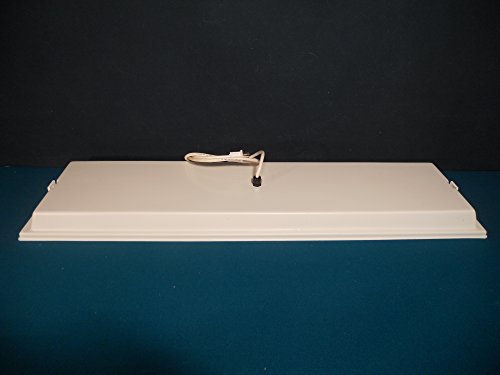
Sweeter Heater Infrared Overhead Brooder 11 x 40
Hanging above the birds, this 11 by 40 inch panel spreads gentle infrared over a wider footprint than any wall unit here. Its sealed housing contains no bulb to shatter and emits no light to disturb sleep cycles. Chain mounting adjusts the height, which tunes how much warmth reaches the flock.
Pros
- Widest coverage in this comparison
- No visible light to disrupt roosting
- Hanging height tunes warmth at bird level
Cons
- Requires decent headroom above the roost
- Among the pricier options here

RentACoop 200W Chicken Coop Heater Radiant Panel
Same radiant safety category as the Cozy Coop, with one practical edge: included brackets allow wall or overhead mounting. A 200 watt draw runs comfortably on a standard outdoor circuit. Pairing it with a thermostatic outlet plug, as many owners do, cuts running costs on milder nights.
Pros
- Mounts on the wall or overhead
- Solid warmth for a 200 watt draw
- Works well with thermostat plugs
Cons
- Bracket hardware feels lightweight
- Instructions are minimal

Brinsea EcoGlow Safety 600 Chick Brooder
Chicks huddle under this warmed plate exactly as they would under a hen, taking heat by contact rather than from hot air. Power draw sits at a fraction of a 250 watt lamp, and no bulb can fail overnight. Legs adjust upward as chicks grow, keeping the plate at back height.
Pros
- Very low power draw for brooding
- No bulb to burn out at night
- Leg height follows chick growth
Cons
- Chicks only, not adult birds
- Needs a draught free brooding area
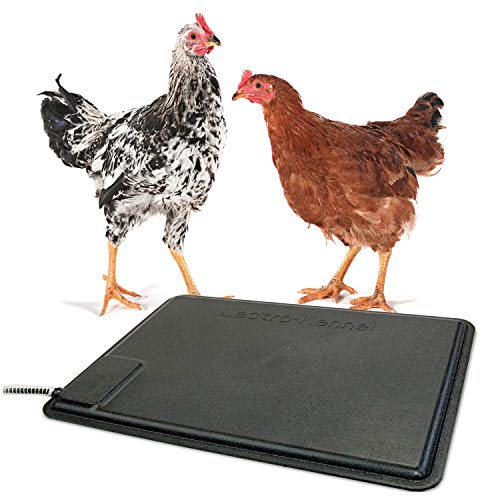
K&H Pet Products Thermo-Chicken Heated Pad
Sitting on the coop floor, this low wattage pad warms birds by direct contact instead of heating air. Such a small draw barely registers on an outdoor circuit. Because it lives at floor level, droppings and bedding land on it, so plan on wiping the ABS surface regularly.
Pros
- Tiny running cost
- No exposed heating element
- Wipes clean in seconds
Cons
- Only warms birds standing on it
- Gathers droppings and bedding at floor level
K&H Pet Products Thermo-Peep Heated Pad
Bantams and tiny flocks fit the Thermo-Peep, the smaller sibling in the K&H range. Construction matches the larger pad: contact warming under a wipe clean plastic surface. Nothing in this comparison draws less power, which suits coops fed by a long extension run.
Pros
- Fits coops too small for panel heaters
- Lowest power draw in this lineup
- Simple to clean
Cons
- Coverage suits only a few birds
- Cord routing takes care in tight spaces
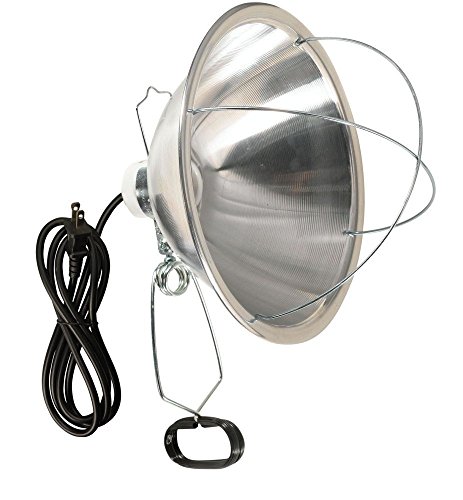
Woods 0165 Clamp Lamp with 10 Inch Reflector
Traditionalists and emergency cold snaps keep the clamp lamp relevant. Its 10 inch aluminium reflector directs strong bulb heat downward fast. Fire risk is the highest of anything here, so hang it from a chain rather than trusting the clamp, and keep it far from bedding and cobwebs.
Pros
- Cheap and available everywhere
- Delivers strong heat quickly in cold snaps
- Standard bulbs replace easily
Cons
- Highest fire risk in this comparison
- Spring clamp alone is not a safe mount
What matters most
Do chickens need a heater in winter? Usually not. Cold hardy breeds such as Orpingtons, Wyandottes and Plymouth Rocks handle sub freezing nights once fully feathered. Heat earns its place for chicks, elderly or sick birds, large single combed breeds in extreme cold, and sudden snaps a flock has not acclimatised to. In mild climates, dry bedding and draught proofing beat any heater.
Radiant panel vs heat lamp: which is safer? Panels win decisively. Heat lamps cause most coop fires through shattered bulbs, slipped clamps and dust igniting on hot fixtures. Radiant panels and contact pads stay below bedding ignition temperature and contain no bulb at all. They warm birds rather than air, which is the correct goal: a warm spot chickens can choose.
Why does ventilation matter more than heat? Moisture causes frostbite, not cold alone. Respiration and droppings release constant water vapour, and a sealed coop traps it against combs and wattles. Openings above roost height vent damp air without draughting the birds. Heating a poorly ventilated coop can worsen frostbite, since warmer air carries more moisture to condense on cold surfaces.
How do you wire a coop heater safely? Run everything from a ground fault protected outdoor circuit. Use outdoor rated cords sized for the load, keep every connection dry and off the floor, and route cables beyond pecking reach. Adding a thermostatic outlet plug that powers on only below a set temperature trims costs and idles the heater on mild nights.
The lineup, side by side
| # | Model | Type | Best for | Score | Price |
|---|---|---|---|---|---|
| 1 | Cozy Products CL Cozy Coop Safe Chicken Coop Heater | Flat radiant wall panel | Best overall | 9.4 | Check price |
| 2 | Sweeter Heater Infrared Overhead Brooder 11 x 40 | Overhead infrared panel | Best for larger coops | 9.2 | Check price |
| 3 | RentACoop 200W Chicken Coop Heater Radiant Panel | Radiant panel | Best value | 9.0 | Check price |
| 4 | Brinsea EcoGlow Safety 600 Chick Brooder | Contact plate brooder | Best for chicks | 8.8 | Check price |
| 5 | K&H Pet Products Thermo-Chicken Heated Pad | Floor level heated pad | Best for roosting comfort | 8.6 | Check price |
| 6 | K&H Pet Products Thermo-Peep Heated Pad | Compact heated pad | Best budget | 8.3 | Check price |
| 7 | Woods 0165 Clamp Lamp with 10 Inch Reflector | Clamp lamp fixture with reflector | Best traditional lamp setup | 8.0 | Check price |
Good to know
Do chickens actually need a heater in winter?
Healthy adult flocks of hardy breeds generally do not. Fluffed feathers and shared roosts insulate well, and birds acclimatise as autumn cools. Chicks, sick or elderly hens and sudden extreme cold snaps are the genuine cases for heat.
What temperature is too cold for chickens?
Dry, wind sheltered adults of hardy breeds cope at freezing and well below it. Real risks lower down are frostbite on large single combs and frozen drinkers. Chicks differ entirely and need brooder warmth for their first weeks.
Are heat lamps safe in a chicken coop?
They carry the highest risk of any option and account for most coop fires. Users should chain the fixture independently of its clamp, guard the bulb, clear bedding and cobwebs, and inspect daily. Radiant panels sidestep all of this.
How much electricity does a chicken coop heater use?
Radiant panels here draw about 200 watts, contact pads considerably less, and lamp bulbs commonly 125 to 250 watts. A thermostatic outlet that switches on only below a set temperature cuts seasonal consumption substantially.
Where should you mount a radiant coop heater?
Low on the wall, where floor standing birds benefit, and clear of bedding and nest boxes. Overhead panels hang above roost height at the maker’s stated clearance. Route cords dry and beyond pecking reach.
Will heating the coop keep hens laying in winter?
No. Shorter daylight slows winter laying, not cold. Timed supplemental light is what changes lay rates, and many keepers deliberately allow a natural winter rest. Treat heat and light as separate decisions.
Can chicks stay in the main coop with a heater?
Not at first. Chicks need a brooder with a warm zone and a cool escape zone, which a contact plate provides well. Integration into the flock waits until they feather out and meet the adults gradually.
Is a heated waterer more important than a coop heater?
Often, yes. Chickens tolerate cold far better than dehydration, and frozen drinkers are the bigger daily problem in most climates. Plenty of keepers run a heated waterer base and no coop heat at all.
What size heater does a small coop need?
One 200 watt radiant panel serves a typical backyard coop of four to eight birds. Very small coops or bantam pairs do fine with a compact contact pad, while roomy walk ins justify the wide Sweeter Heater overhead.
The bottom line
Choose the Cozy Products CL Cozy Coop as the default: real radiant warmth with none of the lamp fire risk that destroys coops every winter. Move up to the Sweeter Heater when a larger coop needs overhead coverage, and budget for a thermostatic plug and better ventilation alongside whichever heater you pick.
Olivia Hartley
Olivia spent several years working at an animal shelter and a pet-supply retailer before joining the editorial team. She researches pet gear with an emphasis on safety, comfort and the fine print that owners often miss.


