Cameras Built to Handle Aerial Photography Work
DJI’s Air 3S leads this group with a large one inch sensor, dual cameras and long flight time. The DJI Mini 4 Pro is the best sub-250 gram pick for lighter rules and travel, while the DJI Mavic 3 Pro delivers the sharpest image quality of any drone here.
DJI’s Air 3S is the strongest all-round choice for aerial stills, pairing a large sensor with long flight time. The DJI Mini 4 Pro suits travelers who want to stay under 250 grams, and the DJI Mavic 3 Pro leads on outright image quality among the seven drones compared here.
A bigger sensor means a heavier drone, and weight decides which registration and flight rules apply to you, which is what makes this category tricky. We compared sensor area, take off weight, flight time, obstacle sensing and published image specs, then checked what owners report about wind resistance and reliability.
The top picks, ranked

DJI Air 3S
A one inch main camera pairs with a telephoto sensor, giving two focal lengths without swapping gear mid-flight. Long flight time and all-direction obstacle sensing forgive mistakes while a pilot is still learning. Owners report it holds position steadily in wind, which keeps long-exposure aerial shots sharp.
Pros
- Two focal lengths built into one drone
- Long flight time for its class
- All-direction obstacle sensing
Cons
- Take off weight exceeds 250 grams, so registration applies
- Larger and heavier than mini drones

DJI Mini 4 Pro
A 1/1.3 inch, 48 megapixel sensor and full obstacle sensing fit into a body that stays under 250 grams. That light weight simplifies registration in many regions and packs easily for travel. Owners report it punches above its size for aerial stills in good light.
Pros
- Stays under 250 grams for lighter rules
- Full obstacle sensing on a mini-class drone
- Folds small enough for a daypack
Cons
- Smaller sensor than the one-inch drones here
- Wind affects it more than heavier models

DJI Mavic 3 Pro
A Four Thirds Hasselblad main camera flies alongside two tele cameras, producing the cleanest, most detailed stills on this list. The large sensor retains highlight and shadow detail that smaller sensors lose against a bright sky. Owners report it earns its size when print quality and dynamic range matter most.
Pros
- Largest sensor here for the most detail
- Three cameras cover varied framing needs
- Wide dynamic range against bright skies
Cons
- Heaviest and priciest drone on this list
- More capability than casual aerial photography needs
DJI Air 3
Dual 1/1.3 inch, 48 megapixel cameras and long flight time cost less than the newer Air 3S. Consistent sensor quality across both focal lengths means no compromise depending on which camera is active. Owners report the extra endurance lets them scout and reframe a scene on one battery.
Pros
- Two focal lengths at a lower price than Air 3S
- Long flight time supports scouting a scene
- All-direction obstacle sensing included
Cons
- Take off weight exceeds 250 grams, so registration applies
- Sensor trails the newer one-inch Air 3S

Autel EVO Lite Plus
A one inch sensor with adjustable aperture gives extra exposure control in bright aerial conditions, a rare feature outside DJI. Long flight time and strong transmission range support a full stills session. Owners report its moonlight algorithm helps with dusk and low-light aerial scenes.
Pros
- One inch sensor with adjustable aperture
- Long flight time and strong signal range
- Alternative to the DJI ecosystem
Cons
- Take off weight exceeds 250 grams, so registration applies
- Obstacle sensing trails DJI’s system

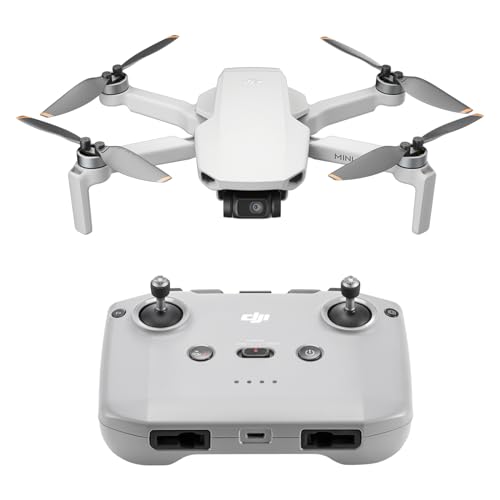
DJI Mini 3
A 12 megapixel sensor and true vertical shooting mode fit into a body that stays under 250 grams. It skips the full obstacle sensing of pricier drones, rewarding careful flying in open space. Owners report it remains a friendly first drone that still returns usable images in good light.
Pros
- Stays under 250 grams and costs less
- True vertical shooting mode built in
- Light, simple controls for a first drone
Cons
- Obstacle sensing is limited compared to Pro models
- Lower resolution than the Mini 4 Pro
Autel EVO Nano Plus
A 1/1.28 inch, 50 megapixel sensor sits inside a body that still stays under 250 grams, unusual for this weight class. Front, rear and downward obstacle sensing add a safety margin rarely found this light. Owners report it suits pilots who want a light drone outside the DJI ecosystem.
Pros
- Larger sensor than most sub-250 gram drones
- Three-way obstacle sensing at a light weight
- Non-DJI option for pilots who want a choice
Cons
- Flight time trails the DJI mini drones
- App and firmware feel less polished
How to pick the right one
How the 250 gram weight limit affects your drone choice The single most important number in drone photography is 250 grams, since staying under it usually means lighter registration and flight rules in many regions. The DJI Mini 4 Pro and Mini 3 sit under that limit, while the larger-sensor Air and Mavic bodies cross it. Confirm your local aviation rules before buying, since they shape where and how you can legally fly.
Why sensor size still drives image quality from the air Just as with a handheld camera, a larger sensor gathers more light and holds more detail against a bright sky. A one inch or Four Thirds drone, like the Air 3S or Mavic 3 Pro, retains highlights and shadows that a small sensor would clip. The trade-off is a heavier, less portable drone.
Flight time and wind resistance for aerial photography Aerial photography often means waiting for the right light and reframing patiently, which drains a battery fast. Longer flight times let a pilot scout and reshoot on a single charge, while a heavier drone typically holds position better in wind for sharper stills. Carry spare batteries, since real-world flight time always runs shorter than the rated figure.
Does obstacle sensing matter for photography drones A drone moves through three dimensions around trees, buildings and terrain, so all-direction obstacle sensing acts as a safety net while a pilot concentrates on composition. DJI’s Air and Mavic drones lead here, while budget and non-DJI models offer partial sensing. Treat it as insurance, not permission to fly carelessly.
How they compare
| # | Model | Sensor | Best for | Score | Price |
|---|---|---|---|---|---|
| 1 | DJI Air 3S | 1 inch main plus 1/1.3 inch telephoto | Best overall | 9.4 | Check price |
| 2 | DJI Mini 4 Pro | 1/1.3 inch CMOS, 48MP | Best sub 250g | 9.2 | Check price |
| 3 | DJI Mavic 3 Pro | Four Thirds Hasselblad plus two tele cameras | Best for image quality | 9.0 | Check price |
| 4 | DJI Air 3 | Dual 1/1.3 inch CMOS, 48MP each | Best value | 8.8 | Check price |
| 5 | Autel EVO Lite Plus | 1 inch CMOS, 20MP, adjustable aperture | Best large sensor alternative | 8.5 | Check price |
| 6 | DJI Mini 3 | 1/1.3 inch CMOS, 12MP | Best budget | 8.2 | Check price |
| 7 | Autel EVO Nano Plus | 1/1.28 inch CMOS, 50MP | Best lightweight alternative | 8.0 | Check price |
Common questions
Do you need a drone for aerial photography?
For most people, yes. A camera drone is now the practical, affordable way to shoot from the air, replacing the aircraft or masts aerial work once required.
What does the 250 gram drone weight limit mean?
In many countries, a drone under 250 grams faces lighter registration and flight rules than heavier models. That is why the DJI Mini 4 Pro, Mini 3 and Autel EVO Nano Plus stay popular, though local aviation rules always take priority.
Which drone has the best image quality for aerial photos?
The DJI Mavic 3 Pro leads with its Four Thirds Hasselblad sensor, followed by the one inch DJI Air 3S. Larger sensors hold more detail and dynamic range against bright skies.
Do I need to register my drone before flying?
It depends on weight and country. Drones over 250 grams usually require registration, and some regions also require it for any camera drone. Check your national aviation authority before a first flight.
How long do camera drones fly on one battery?
Most modern camera drones are rated for roughly 20 to 45 minutes per battery, though wind and aggressive flying shorten that. Owners typically carry two or three batteries to make the most of good light.
Are sub 250 gram drones good enough for real photography?
Yes, in good light. The DJI Mini 4 Pro and Autel EVO Nano Plus carry sensors capable of sharp aerial stills. They give up some low-light quality and wind resistance to heavier one inch drones.
Can these drones shoot RAW photos?
Yes, all seven capture RAW aerial stills, which matters because bright skies and dark ground create a wide tonal range. RAW files let you recover highlights and lift shadows in editing.
Which drone is best for travel photography?
The DJI Mini 4 Pro stands out for travel: it folds small, weighs under 250 grams and still offers full obstacle sensing. The DJI Mini 3 is the lighter budget alternative.
DJI Air 3S vs DJI Mavic 3 Pro, which should I buy?
The Air 3S costs less and flies longer, making it the better all-round choice. The Mavic 3 Pro justifies its size and price only when maximum image quality is the priority.
Our take
The DJI Air 3S is the aerial camera drone most photographers should reach for, since its large sensor, dual cameras and long flight time cover nearly any shot. Choose the DJI Mini 4 Pro to stay under 250 grams for lighter rules and easy travel, or the DJI Mavic 3 Pro when image quality justifies the extra size and cost. On a tight budget, the DJI Mini 3 still returns sharp aerial photos.
Marcus Chen
Marcus covered consumer electronics for enthusiast tech publications for six years before joining ChoiceCrest. He specializes in translating manufacturer spec sheets into plain-language buying advice, with a focus on audio, computing accessories and smart-home gear.


