4K Camera Drones Built for Everyday Adult Pilots
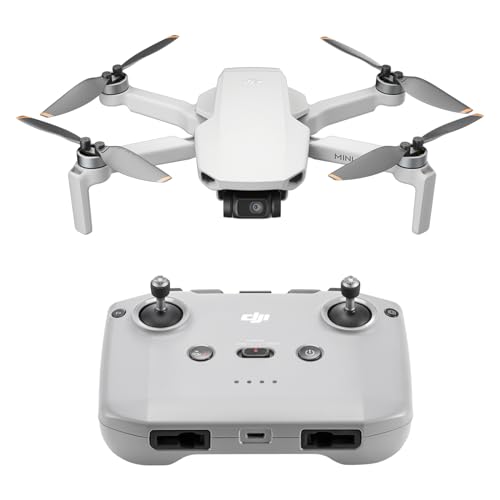
The DJI Mini 4 Pro balances true 4K footage, omnidirectional obstacle sensing and a sub 249 gram weight that avoids heavier registration rules. The DJI Air 3 adds a second zoom camera for serious shooters, and the Holy Stone HS720E offers genuine 4K capture for anyone testing the hobby first.
The DJI Mini 4 Pro suits adults who want real 4K video, obstacle sensing from every angle and a weight that stays under the registration threshold used in many regions. It skips a built in screen on the standard controller, so anyone who wants that convenience should look at the Air 3 or Mavic 3 Classic instead.
Camera drone listings mix up true 4K sensors with digitally upscaled footage, and not every model senses obstacles from more than one direction. We compared published sensor size, obstacle sensing coverage, flight time and total weight before ranking these seven.
The best picks, ranked

DJI Mini 4 Pro
DJI keeps the Mini 4 Pro under the 249 gram threshold used for lighter registration rules in many regions, while still fitting a true 4K sensor. Omnidirectional sensors catch obstacles from most angles rather than just downward or forward. ActiveTrack follows a moving subject automatically once locked on.
Pros
- Stays under the 249 gram registration threshold in many regions
- Omnidirectional sensors catch obstacles from most angles
- ActiveTrack follows a subject automatically
Cons
- Standard controller has no built in screen
- Fly More bundle with the screen controller costs extra

DJI Air 3
DJI fits the Air 3 with two separate 4K cameras, a wide lens and a medium tele lens, so a zoomed shot does not rely on a digital crop. Obstacle sensing covers a wide field of view in every direction, the strongest coverage in DJI’s consumer lineup. Flight time stretches well past most 4K drones in this class.
Pros
- Dual camera setup covers wide and zoomed shots without cropping
- Strongest obstacle avoidance coverage in the DJI consumer line
- Longer flight time than most 4K drones
Cons
- Weight puts it outside the sub 250 gram registration exemption
- Larger case to carry than a Mini class drone
Autel Robotics EVO Nano+
Autel runs the EVO Nano+ on its own Sky app rather than DJI’s ecosystem, which appeals to buyers who prefer an independent brand. A 1/1.28 inch sensor is large for its weight class, which helps in dimmer light. Front, rear and downward sensors catch most obstacles, though not every angle.
Pros
- Large sensor for its weight class improves low light shots
- Runs outside the DJI app ecosystem for buyers who prefer that
- Folds into a compact body for travel
Cons
- Fewer obstacle sensing angles than DJI’s omnidirectional systems
- Smaller accessory and firmware update community than DJI

Holy Stone HS720E
Holy Stone built the HS720E around a true 4K sensor rather than the upscaled footage found on cheaper drones in its price range. Dual GPS locks a stable hover and brings the drone home automatically on low battery or lost signal. The lightweight body keeps it under the 249 gram exemption in many regions.
Pros
- Genuine 4K capture at a fraction of flagship drone cost
- Return to home engages automatically on low battery or signal loss
- Lightweight body avoids heavier drone registration rules in some areas
Cons
- No obstacle avoidance sensors
- Digital stabilization is less effective than DJI’s mechanical gimbal

Ruko F11GIM2
Ruko builds the F11GIM2 around beginner friendly flight modes, including one tap takeoff and landing. Follow me mode tracks a subject using GPS data alone, without needing a separate wearable tracker. GPS assisted hover holds position well in light wind, which helps a first time pilot frame a steady shot.
Pros
- Follow me mode works without a wearable tracker
- GPS hover holds position well in light wind
- Beginner friendly flight modes include one tap takeoff and landing
Cons
- Heavier body means mandatory registration in most regions
- Gimbal is less stable than a 3 axis mechanical design

Potensic Atom SE
Potensic folds the Atom SE down to a size that fits in a small bag pocket, which suits casual flying on a trip rather than a dedicated camera outing. Electronic image stabilization smooths footage without a mechanical gimbal. Flight time runs long for its size class, helped by the light overall weight.
Pros
- Light enough to skip registration requirements in many regions
- Long flight time for its size class
- Compact fold fits in a small bag pocket
Cons
- No forward or side obstacle sensors
- Wind resistance lower than heavier drones

DJI Mavic 3 Classic
DJI pairs the Mavic 3 Classic with a 4/3 CMOS Hasselblad camera, a noticeably larger sensor than the Mini or Air lines use. Omnidirectional obstacle sensing carries over from the standard Mavic 3, backed by a heavier, more stable airframe. Flight time matches the Air 3’s long runtime per battery.
Pros
- Larger sensor produces noticeably cleaner stills and video
- Long flight time supports longer location shoots
- Strong obstacle sensing for a heavier, more stable airframe
Cons
- Weight and size require registration and a larger travel case
- Costs far more than Mini class alternatives
The lineup, side by side
| # | Model | Camera | Best for | Score | Price |
|---|---|---|---|---|---|
| 1 | DJI Mini 4 Pro | 4K at 60fps, 1/1.3 inch sensor | Best overall | 9.4 | Check price |
| 2 | DJI Air 3 | Dual 4K cameras, wide and medium tele | Best for obstacle avoidance | 9.2 | Check price |
| 3 | Autel Robotics EVO Nano+ | 4K, 1/1.28 inch sensor | Best DJI alternative | 8.9 | Check price |
| 4 | Holy Stone HS720E | True 4K EIS stabilized camera | Best budget true 4K | 8.6 | Check price |
| 5 | Ruko F11GIM2 | 4K with a 2 axis gimbal | Best for beginners | 8.5 | Check price |
| 6 | Potensic Atom SE | 4K with electronic image stabilization | Best compact and lightweight | 8.4 | Check price |
| 7 | DJI Mavic 3 Classic | 4/3 CMOS Hasselblad camera | Best image quality | 9.0 | Check price |
How to choose
What to look for in a 4K camera drone Sensor size matters more than the 4K label alone, since a larger sensor gathers more light and holds up better in shade or evening flights. Check whether stabilization comes from a mechanical gimbal or purely electronic processing, since the two produce noticeably different footage in wind. Obstacle sensors and overall weight round out the core decision factors.
Weight limits and registration rules Drones under 249 grams, including the DJI Mini 4 Pro, the Holy Stone HS720E and the Potensic Atom SE, often qualify for lighter registration requirements in many regions. Heavier drones like the Air 3 and Mavic 3 Classic typically require formal registration regardless of how they are used. Always confirm current local rules, since they vary by country and can change.
Obstacle avoidance and follow me features Omnidirectional sensing, found on the Mini 4 Pro, Air 3 and Mavic 3 Classic, reads obstacles from nearly every direction rather than just forward or down. Follow me modes, like the one on the Ruko F11GIM2, use GPS to track a moving subject without a wearable tracker. Budget drones without these sensors still fly well in open areas but demand more pilot attention near trees or buildings.
Picking a drone for photography versus casual flying Photographers chasing the cleanest footage benefit from the larger sensor on the Mavic 3 Classic or the dual camera setup on the Air 3. Casual flyers who mainly want a fun hobby without heavy gear do better with a compact, lightweight option like the Potensic Atom SE or Autel EVO Nano+. Matching the drone to how often it will actually leave the house avoids overspending on features that go unused.
Frequently asked questions
Do camera drones for adults come with a built in screen on the controller?
The standard controllers for most drones here, including the DJI Mini 4 Pro, do not include a screen and instead clip to a phone. Upgraded controller bundles with a built in screen are usually sold as a separate option.
Which drones have obstacle avoidance in every direction?
The DJI Mini 4 Pro, DJI Air 3 and DJI Mavic 3 Classic all use omnidirectional obstacle sensing, reading obstacles from most angles rather than only one or two directions.
Can a drone follow you automatically while flying?
Yes, models like the Ruko F11GIM2 and the DJI Mini 4 Pro include a follow me or ActiveTrack style mode that tracks a moving subject using GPS or visual recognition.
Do I need to register a drone with a 4K camera?
Registration rules depend on weight and local regulations rather than camera resolution. Drones under 249 grams often qualify for lighter requirements, while heavier models usually need formal registration.
Do consumer drones have infrared night vision cameras?
Most consumer 4K camera drones use a standard daylight sensor rather than true infrared night vision, which is mainly reserved for specialized thermal drones built for inspection work.
What is the difference between electronic and mechanical gimbal stabilization?
A mechanical gimbal physically counteracts movement using motors, producing smoother footage in wind. Electronic stabilization corrects shake digitally after the fact, which works but shows more artifacts in rough conditions.
How long does a 4K drone battery usually last?
Flight times in this roundup range from about 23 minutes on the Holy Stone HS720E up to around 46 minutes on the DJI Air 3 and Mavic 3 Classic, depending on wind and flight style.
Is a heavier drone more stable in wind?
Generally yes. Heavier drones like the Mavic 3 Classic hold a steadier position in gusty conditions than a sub 249 gram drone, which is more easily pushed off course.
What should a first time adult drone pilot buy?
A lightweight model with GPS hover and beginner flight modes, such as the Ruko F11GIM2 or Holy Stone HS720E, gives new pilots an easier learning curve before moving up to a more advanced drone.
The verdict
The DJI Mini 4 Pro is the strongest all around choice for adults who want true 4K footage, obstacle sensing from every angle and a lighter registration path. Anyone who wants a second zoom camera and longer flight time for more serious shooting should move up to the DJI Air 3. First time pilots testing the hobby before spending more will get real 4K capture at a lower cost from the Holy Stone HS720E.
Marcus Chen
Marcus covered consumer electronics for enthusiast tech publications for six years before joining ChoiceCrest. He specializes in translating manufacturer spec sheets into plain-language buying advice, with a focus on audio, computing accessories and smart-home gear.