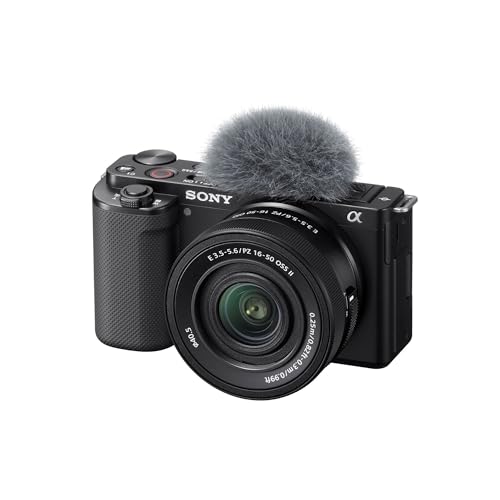
Wildlife Photography Cameras That Bring the Action Close
For most wildlife photographers, the Sony Alpha 1 offers the best combination of speed, resolution, and autofocus, but its high price limits its appeal. A more budget-friendly option that still delivers excellent performance is the Canon EOS R7, which pairs a crop sensor with fast burst shooting and impressive subject tracking.
Wildlife photography demands gear that can keep up with unpredictable subjects. A camera with fast autofocus and high continuous shooting speeds is essential. You also need a sensor that delivers clean images at high ISOs for dawn and dusk shoots.
We compared seven top cameras currently on the market. Each excels in specific areas like bird-in-flight tracking or low-light performance. Our goal is to help you choose based on your shooting style and budget.
The top picks, ranked

Sony Alpha 1
The Sony Alpha 1 is a full-frame flagship that captures 50.1-megapixel images at 30 frames per second with no blackout. Its real-time tracking locks onto animal eyes and bodies with uncanny precision. The stacked sensor enables fast readout and minimal rolling shutter. This camera is a beast, but its price reflects its capabilities.
Pros
- Exceptional autofocus with animal eye detection
- Fast burst rates with no viewfinder blackout
- High-resolution sensor for cropping
Cons
- Very expensive
- Large file sizes require significant storage

Canon EOS R7
The Canon EOS R7 is a crop-sensor mirrorless camera that gives wildlife photographers extra reach from their lenses. It shoots 33-megapixel images at up to 15 frames per second with the mechanical shutter. Its Dual Pixel CMOS AF II tracks animals and birds reliably. The in-body image stabilization helps when using telephoto lenses.
Pros
- Crop sensor extends lens reach
- Fast and accurate subject tracking
- Weather-sealed body
Cons
- Lower resolution than full-frame
- Limited native RF-S lens selection

Nikon Z9
The Nikon Z9 is a full-frame mirrorless flagship with a stacked 45.7-megapixel sensor. It offers 120 fps burst modes and 3D tracking that nails fast-moving subjects. Its electronic viewfinder has no blackout, and the camera is built to withstand harsh conditions. The Z9 is a workhorse used by many professionals.
Pros
- Built-in vertical grip and professional controls
- Incredible autofocus with 3D tracking
- No mechanical shutter means no wear
Cons
- Heavy and bulky
- Price is high

Sony A9 III
The Sony A9 III is the first full-frame camera with a global shutter, eliminating rolling shutter distortion entirely. This makes it revolutionary for wildlife action, especially for birds in flight. It offers a 24.6-megapixel sensor and can shoot at 120 fps with full AF and AE tracking. The low-light performance is slightly reduced, but the benefits are substantial.
Pros
- No rolling shutter distortion
- Ultra-high burst rates
- Advanced AI subject recognition
Cons
- Lower resolution than competitors
- Reduced high ISO performance

OM System OM-1 II
The OM System OM-1 II is a Micro Four Thirds camera that excels in wildlife photography due to its 2x crop factor and exceptional weather sealing. It features a 20.4-megapixel stacked sensor and can shoot at 50 fps with continuous AF. Its handheld high-resolution mode and in-body stabilization are standout features. The smaller sensor means less reach per lens, but the portability is unmatched.
Pros
- Excellent weather sealing
- Lightweight and compact
- Great in-body stabilization
Cons
- Small sensor limits low-light performance
- Lower resolution than larger sensors
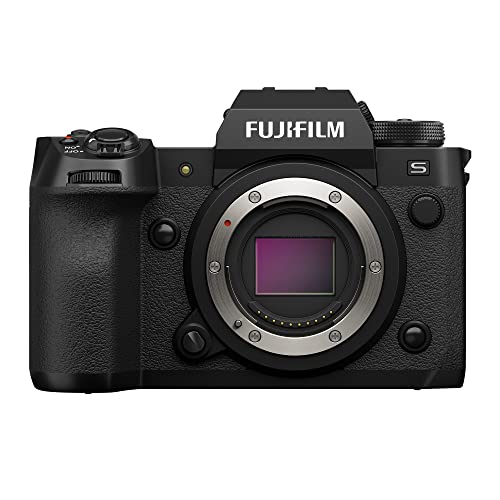
Fujifilm X-H2S
The Fujifilm X-H2S is an APS-C camera built for speed. It uses a 26.1-megapixel stacked sensor and can shoot at 40 fps with the electronic shutter. Its autofocus system includes subject detection for animals and birds. The X-H2S also excels in video with 6K/30p and 4K/120p recording. It is a versatile tool for wildlife filmmakers.
Pros
- Fast burst and excellent video specs
- Color science is pleasing out of camera
- Solid build with weather resistance
Cons
- APS-C sensor not as good in low light
- Battery life could be better

Canon EOS R6 Mark II
The Canon EOS R6 Mark II is a full-frame camera that offers a great balance of performance and price. It has a 24.2-megapixel sensor and can shoot at 40 fps with the electronic shutter. Its autofocus is excellent for tracking animals, and it offers impressive low-light capabilities. The R6 II is a popular choice for those moving up from crop sensors.
Pros
- Great low-light performance
- Fast burst rates
- Excellent autofocus with subject tracking
Cons
- Lower resolution than some competitors
- Smaller buffer compared to pro models
The lineup, side by side
| # | Model | Sensor | Best for | Score | Price |
|---|---|---|---|---|---|
| 1 | Sony Alpha 1 | 50.1 MP full-frame stacked CMOS | Professionals needing ultimate speed and resolution | 9.4 | Check price |
| 2 | Canon EOS R7 | 32.5 MP APS-C CMOS | APS-C shooters wanting reach and speed on a budget | 9.2 | Check price |
| 3 | Nikon Z9 | 45.7 MP full-frame stacked CMOS | Action shooters who need a tough pro body | 9.3 | Check price |
| 4 | Sony A9 III | 24.6 MP full-frame global shutter | Shooters who need the world’s first global shutter | 9.1 | Check price |
| 5 | OM System OM-1 II | 20.4 MP Micro Four Thirds stacked CMOS | Birders and nature lovers who value lightweight gear | 9.0 | Check price |
| 6 | Fujifilm X-H2S | 26.1 MP APS-C stacked CMOS | Hybrid shooters who need high-speed video and stills | 8.8 | Check price |
| 7 | Canon EOS R6 Mark II | 24.2 MP full-frame CMOS | All-around full-frame performance for enthusiasts | 8.6 | Check price |
How to choose
Common questions
What is the best camera for wildlife photography?
The Sony Alpha 1 is often considered the best due to its speed and resolution. However, the Canon EOS R7 is a top value pick for its reach and performance.
Do I need a full-frame camera for wildlife?
Not necessarily. Crop sensors and Micro Four Thirds offer extra reach. Full-frame is better in low light. Choose based on your typical shooting conditions.
What is the ideal megapixel count for wildlife?
20 to 45 megapixels is common. Higher resolution allows more cropping, but requires larger lenses and storage.
How important is burst rate for wildlife?
Very important. A burst rate of at least 15 fps helps you capture fleeting expressions and actions.
What is the best lens for wildlife photography?
A telephoto lens, typically 400mm or longer, is essential. The best lens depends on your camera system and budget.
Should I choose a DSLR or mirrorless for wildlife?
Mirrorless cameras now dominate wildlife due to faster autofocus and burst rates. DSLRs are still capable, but mirrorless offers more advanced features.
How does crop factor affect my reach?
Crop factors multiply your lens’s effective focal length. For example, a 400mm lens on a 2x crop gives an 800mm equivalent, making distant subjects appear closer.
Can I use my existing lenses on a new camera?
Often yes with adapters, but autofocus and image stabilization may be affected. It’s best to use native lenses for optimal performance.
What is the best budget camera for wildlife?
The Canon EOS R7 offers great value for its price. It provides fast burst, excellent autofocus, and crop sensor reach.
Is weather sealing important?
Yes, because wildlife photography often involves outdoor conditions. A weather-sealed body protects against dust and moisture.
The verdict
If you are a professional who needs the absolute best in speed and resolution, the Sony Alpha 1 is worth the investment. For most enthusiasts and hobbyists, the Canon EOS R7 delivers outstanding wildlife performance at a more accessible price, making it our top recommendation for value seekers.
Marcus Chen
Marcus covered consumer electronics for enthusiast tech publications for six years before joining ChoiceCrest. He specializes in translating manufacturer spec sheets into plain-language buying advice, with a focus on audio, computing accessories and smart-home gear.