Backpacking Tents Light Enough to Forget You’re Carrying Them
The Big Agnes Copper Spur HV UL2 is the strongest overall pick, balancing a low packed weight with livable interior space for two hikers. Buyers who prioritize rugged durability over minimal weight should choose the MSR Hubba Hubba NX 2 instead, while anyone on a tighter budget should look at the Kelty Discovery Element 2.
The Big Agnes Copper Spur HV UL2 leads this list because its near-vertical pole structure adds usable headroom without pushing the packed weight into heavy territory. Its main tradeoff is price, which runs higher than tents using simpler fabrics and pole systems.
We compared published packed weight, floor dimensions, pole structure and fabric durability across each tent rather than conducting our own extended field trials.
The best picks, ranked
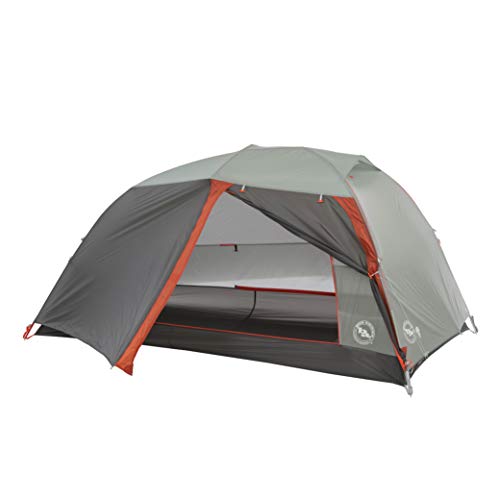
Big Agnes Copper Spur HV UL2
A near-vertical wall structure from the high-volume pole design adds usable headroom and shoulder space compared to traditional dome tents at a similar weight. Two doors and two vestibules let both occupants enter and exit without climbing over each other’s gear. Ripstop nylon fabric keeps the packed weight low while resisting tears from branches and rough ground.
Pros
- High-volume pole structure adds headroom over typical dome tents
- Two doors and vestibules avoid climbing over a tent mate
- Low packed weight despite the added interior space
Cons
- Priced higher than tents using simpler pole systems
- Ripstop nylon needs careful footprint use on rocky ground

MSR Hubba Hubba NX 2
MSR’s reputation for rugged mountaineering gear carries into this backpacking tent, with a sturdier pole hub system than many ultralight competitors. Dual doors and vestibules match the convenience of pricier tents while the fly fabric resists abrasion from rocky or root-heavy campsites. The tradeoff is a slightly heavier packed weight than the lightest tents on this list.
Pros
- Sturdier pole hub system than many ultralight tents
- Fly fabric resists abrasion on rocky campsites well
- Dual doors match the convenience of pricier competitors
Cons
- Heavier packed weight than the Big Agnes Copper Spur
- Setup takes slightly longer than simpler two-pole designs

REI Co-op Half Dome SL 2+
This tent adds extra floor length and width over standard two-person tents, giving backpackers more room for gear or a larger sleeping setup at a lower price than premium ultralight options. A single hub pole design keeps setup straightforward even for less experienced campers. The added space comes with a modest weight penalty compared to the lightest tents here.
Pros
- Extended floor dimensions add gear or sleeping room
- Lower price than premium ultralight tent options
- Single hub pole design simplifies setup for beginners
Cons
- Heavier packed weight than true ultralight competitors
- Bulkier packed size takes more room in a backpack

Nemo Dagger Osmo 2P
Large mesh panels on both doors and the upper walls improve airflow in warm or humid conditions better than tents with smaller mesh sections. Osmo fabric combines ripstop nylon and polyester for water resistance that holds up without the sagging some nylon-only fabrics show when wet. A divider loft accessory, sold separately, splits the tent into two private sections.
Pros
- Large mesh panels improve airflow in warm, humid conditions
- Osmo fabric resists sagging better than nylon-only designs when wet
- Dual doors with vestibules suit two-person use well
Cons
- Heavier than the lightest ultralight tents on this list
- Divider loft accessory for privacy sold separately

Kelty Discovery Element 2
This tent covers basic three-season backpacking needs at a price well below premium ultralight competitors. A straightforward two-pole design keeps setup simple without a steep learning curve. The tradeoff for the lower price is a heavier packed weight and less refined fabric compared to premium tents.
Pros
- Lower price than premium ultralight backpacking tents
- Simple two-pole setup suits beginner campers
- Covers basic three-season weather conditions reliably
Cons
- Heavier packed weight than ultralight competitors
- Single door is less convenient than dual-door designs for two people

Marmot Tungsten 2P
A sturdier pole structure than typical ultralight tents gives this model better resistance to wind and light snow load, extending its useful season beyond pure summer backpacking. Color-coded poles and clips speed up setup in poor weather or low light. The added structure brings a weight tradeoff compared to minimalist ultralight shelters.
Pros
- Sturdier structure handles wind and light snow better than ultralight tents
- Color-coded poles and clips speed up setup in poor conditions
- Dual doors and vestibules add convenience for two campers
Cons
- Heavier than tents built purely for summer ultralight use
- Bulkier packed size compared to minimalist shelters

ALPS Mountaineering Lynx 1-Person Tent
Built specifically for one person, this tent keeps packed weight and floor footprint smaller than any two-person tent on this list. A single door with a small vestibule stores boots and a pack outside the sleeping area without adding tent weight. Freestanding construction allows pitching on rock or sand where stakes alone would not hold a non-freestanding design.
Pros
- Lighter and more compact than any two-person tent here for solo use
- Freestanding design pitches on rock or sand without needing stakes
- Small vestibule keeps boots and pack outside the sleeping area
Cons
- Single occupancy only, not usable for two campers
- Smaller interior space limits sitting up room compared to two-person tents
How they compare
| # | Model | Packed Weight | Best for | Score | Price |
|---|---|---|---|---|---|
| 1 | Big Agnes Copper Spur HV UL2 | Approximately 3 pounds 2 ounces | Best Overall | 9.1 | Check price |
| 2 | MSR Hubba Hubba NX 2 | Approximately 3 pounds 13 ounces | Best Durability | 8.8 | Check price |
| 3 | REI Co-op Half Dome SL 2+ | Approximately 4 pounds 14 ounces | Best Value | 8.6 | Check price |
| 4 | Nemo Dagger Osmo 2P | Approximately 3 pounds 14 ounces | Best Ventilation | 8.7 | Check price |
| 5 | Kelty Discovery Element 2 | Approximately 5 pounds 4 ounces | Best Budget | 8.0 | Check price |
| 6 | Marmot Tungsten 2P | Approximately 5 pounds 10 ounces | Best All-Season Versatility | 8.3 | Check price |
| 7 | ALPS Mountaineering Lynx 1-Person Tent | Approximately 3 pounds 15 ounces | Best for Solo Ultralight Backpacking | 8.1 | Check price |
What matters most
What to look for in a backpacking tent Packed weight matters most for multi-day hikes, where every extra ounce adds up over miles on the trail. Interior space and door count affect comfort and convenience, especially for two people sharing one tent. Fabric durability and weather rating decide how well a tent holds up to rocky campsites, wind or unexpected rain.
Ultralight tents versus value-focused tents An ultralight tent like the Big Agnes Copper Spur HV UL2 or ALPS Mountaineering Lynx minimizes packed weight through thinner fabrics and streamlined pole systems, at a higher price. A value-focused tent like the REI Co-op Half Dome SL 2+ or Kelty Discovery Element 2 accepts a heavier pack weight in exchange for a lower price and simpler setup. Weekend campers who do not hike far from the car often do fine with the heavier, cheaper option.
Ventilation and weather resistance Warm-climate backpackers benefit from large mesh panels, which the Nemo Dagger Osmo 2P prioritizes for airflow in humid conditions. Cooler or higher-elevation trips favor a sturdier structure like the Marmot Tungsten 2P, built to handle wind and light snow beyond typical summer tents. Matching a tent’s weather rating to the actual trip conditions avoids both overheating and being underprepared for cold.
Solo versus two-person tents A two-person tent, even for a solo hiker, adds comfort and gear storage room that single-occupancy tents skip entirely. A true one-person tent like the ALPS Mountaineering Lynx shaves meaningful weight and packed size for solo backpackers willing to trade space for a lighter pack. Couples or hikers sharing a tent should default to two-person models rather than squeezing into a solo design.
Questions worth asking
What is a good packed weight for a backpacking tent?
Two-person ultralight tents typically weigh between 3 and 4 pounds packed, while budget or four-season tents often run 5 pounds or more.
How many doors should a two-person backpacking tent have?
Two doors, one per occupant, avoid having to climb over a tent mate during the night, a feature found on most premium two-person tents.
Is a freestanding tent better than a non-freestanding tent?
Freestanding tents like the ALPS Mountaineering Lynx can pitch on rock or sand without stakes, while non-freestanding designs rely entirely on proper staking and guy lines.
What fabric is best for backpacking tent durability?
Ripstop nylon and nylon-polyester blends like Osmo fabric resist tears and sagging better than basic polyester in wet or rough conditions.
Do backpacking tents work in winter?
Most three-season tents handle light snow but are not built for sustained winter conditions, where a four-season tent with a sturdier pole structure performs better.
How much interior space does a two-person backpacking tent have?
Interior floor space varies, but most two-person backpacking tents offer enough room for two sleeping pads with limited extra gear space inside.
Is a one-person tent worth it for solo backpackers?
Yes, for hikers prioritizing minimal weight, a one-person tent like the ALPS Mountaineering Lynx saves pack weight compared to carrying a two-person tent alone.
What makes a tent good for humid or warm climates?
Large mesh door and wall panels, as found on the Nemo Dagger Osmo 2P, improve airflow and reduce condensation in warm or humid conditions.
Our pick
The Big Agnes Copper Spur HV UL2 is the right choice for most backpackers who want a low packed weight without sacrificing livable interior space. Hikers who prioritize rugged durability on rocky or root-heavy terrain over shaving every ounce should choose the MSR Hubba Hubba NX 2 instead. Solo backpackers who want the lightest possible setup should skip two-person tents entirely and pick the ALPS Mountaineering Lynx.
Sierra Daniels
Sierra's background is in landscape design and nursery retail. She focuses on lawn and garden equipment, outdoor furniture and gear durability, weighing published specs against how materials actually hold up outside.