Rain Covers That Actually Keep a Hiking Pack Dry
The Osprey UltraLight Raincover is the best overall backpack rain cover, matching Osprey’s own pack sizing closely while fitting most other brands within a size range. Sea to Summit covers ultralight hikers. Outdoor Products fits the budget tier.
The Osprey UltraLight Raincover leads this group for hikers who want a cover sized precisely enough to avoid flapping loose in wind, a common complaint with generic one-size covers. Ounce-counting backpackers who already minimize every gram should look at Sea to Summit’s lighter fabric option instead. Anyone covering a budget pack on occasional trips can start with Outdoor Products below.
A rain cover only works if its size range actually matches the backpack underneath, since an oversized cover flaps and lets water in at the gaps while an undersized one fails to close fully. We compared size ranges, seam-sealing quality, and fabric weight across current listings, then checked owner reports on how covers held up during sustained downpours rather than a brief shower.
What matters most
Why fit matters more than fabric for rain covers A loosely fitting rain cover flaps in wind and leaves gaps at the shoulder straps where water sneaks through, regardless of how waterproof the fabric itself is. Sized covers tied to a pack’s liter capacity generally fit tighter than universal one-size options, closing those gaps more effectively. Elastic hems or drawstring closures at the opening cinch the cover down further against the pack’s base. Checking a cover’s size range against the actual pack’s liter capacity matters more than comparing fabric weight alone.
Seam sealing and sustained rain performance Taped seams block water at the stitch lines, the most common failure point on an otherwise waterproof fabric cover. Covers with seams taped only at major joints perform fine in brief showers but can leak during a sustained multi-hour downpour. Fully taped construction across every stitch line costs more but matters for trips where rain is expected to last. Matching seam quality to realistic trip weather avoids both overpaying and getting caught with a leaking cover.
Ultralight weight versus rugged durability Siliconized ultralight fabric sheds water efficiently at a lower weight, appealing to hikers minimizing every gram of pack weight. Heavier coated nylon or polyester resists punctures from branches and rough terrain better, a real factor on overgrown trails. Expedition-length trips in rough terrain favor the heavier option despite the added weight. Short day hikes on maintained trails can lean toward the lighter cover without much practical downside.
Sizing for small daypacks versus expedition packs A daypack in the 20 to 35 liter range needs a correspondingly sized cover, since an oversized cover from an expedition-pack line will bunch and flap excessively. Expedition packs over 60 liters need covers specifically rated for that size, as most daypack covers simply will not stretch to fit. Universal one-size covers compromise across this whole range, fitting none of it precisely. Matching cover size directly to the specific pack’s liter rating produces the best actual fit.
Our top picks
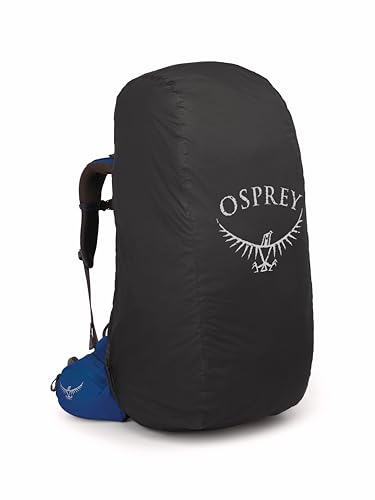
Osprey UltraLight Raincover
Osprey sells this cover in size ranges tied to liter capacity, giving a closer fit than many universal one-size covers. Seam-sealed construction keeps water out at the stitching, a common failure point on cheaper covers. An elastic hem cinches tight around the pack’s base to resist wind flapping.
Pros
- Sized ranges give a closer fit than universal covers
- Seam-sealed construction resists leaks
- Elastic hem resists wind flapping
Cons
- Costs more than universal one-size covers
- Sized specifically, so cross-brand fit varies slightly

Sea to Summit Pack Cover
A siliconized fabric coating sheds water effectively while keeping the cover’s own weight lower than standard nylon options. This suits ounce-counting hikers who already minimize every other piece of gear. The tradeoff is slightly less fabric toughness against snagging on branches than heavier ripstop covers.
Pros
- Very lightweight fabric
- Effective water shedding from silicone coating
- Packs down small when not in use
Cons
- Less snag-resistant than heavier ripstop fabric
- Thinner material may show wear sooner on rough trails
Aqua Quest Rain Cover
Fully taped seams across every stitch line, not just major joints, give this cover an edge during sustained heavy rain rather than a brief shower. Heavier-duty fabric resists puncture from branches better than ultralight alternatives. The added weight and bulk reflect that durability tradeoff.
Pros
- Fully taped seams resist leaks in sustained rain
- Heavier fabric resists branch punctures
- Reliable coverage during long downpours
Cons
- Heavier and bulkier than ultralight covers
- Takes up more pack space when stored
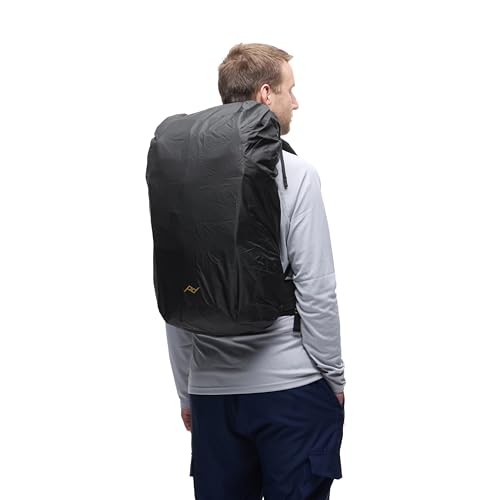
Terra Hiker Backpack Rain Cover
This cover extends to fit packs as large as 90 liters, useful for multi-day expedition loads that most universal covers cannot fully enclose. A drawstring closure at the opening cinches tightly around the pack’s top, reducing gaps where water sneaks in. The larger size means more excess fabric to manage on smaller packs.
Pros
- Covers unusually large packs well
- Drawstring closure reduces water entry gaps
- Reasonable value for the coverage size
Cons
- Too large and loose for smaller daypacks
- Bulkier fabric than ultralight options

REI Co-op Rain Cover
REI’s own-brand cover balances fit accuracy and cost, sitting between premium sized covers and basic universal options. Reinforced corners resist the repeated stretching that happens when pulling the cover on and off a loaded pack. It covers a mid-range size well but does not extend to expedition-sized packs.
Pros
- Good balance of fit and cost
- Reinforced corners resist stretching damage
- Reliable taped seam construction
Cons
- Does not cover expedition-sized packs
- Fewer size options than Osprey’s range

Ferrino Cover Rain Pack
Ferrino’s trekking background shows in a compact stow sack that clips to a pack’s exterior rather than taking up internal space. The cover’s fit runs slightly different from US sizing conventions, worth checking against a specific pack’s dimensions. It performs reliably in the variable mountain weather it was designed around.
Pros
- Compact stow sack clips externally
- Reliable performance in variable mountain weather
- Established European trekking brand
Cons
- Sizing convention differs from typical US packs
- Less widely available than domestic brands

Outdoor Products Backpack Rain Cover
A universal fit covers a wide range of pack sizes at the lowest cost in this group, trading precise fit for broad compatibility. Basic seam construction handles light to moderate rain without the full taping of premium covers. Occasional hikers testing whether a rain cover suits their needs get a reasonable starting point here.
Pros
- Lowest cost in this group
- Universal fit works across many pack sizes
- Compact when stored
Cons
- Looser fit than sized covers, can flap in wind
- Less water resistance in sustained heavy rain
How they stack up
| # | Model | Sizing | Best for | Score | Price |
|---|---|---|---|---|---|
| 1 | Osprey UltraLight Raincover | Multiple sizes by pack liter capacity | Best overall | 9.2 | Check price |
| 2 | Sea to Summit Pack Cover | Multiple sizes by pack liter capacity | Best for ultralight hiking | 9.0 | Check price |
| 3 | Aqua Quest Rain Cover | Multiple sizes by pack liter capacity | Best for heavy downpours | 8.7 | Check price |
| 4 | Terra Hiker Backpack Rain Cover | Fits packs up to 90 liters | Best for large packs | 8.4 | Check price |
| 5 | REI Co-op Rain Cover | Multiple sizes by pack liter capacity | Best value | 8.2 | Check price |
| 6 | Ferrino Cover Rain Pack | Multiple sizes, European sizing convention | Best for international trekking | 8.0 | Check price |
| 7 | Outdoor Products Backpack Rain Cover | Universal fit, single size | Best budget | 7.9 | Check price |
Frequently asked questions
Do backpack rain covers actually keep gear dry?
Yes, when sized correctly and seam-sealed, though shoulder strap gaps can still let in some water during heavy wind-driven rain.
What size rain cover fits a 40-liter backpack?
Most brands offer a mid-size option in their lineup specifically rated for packs in the 30 to 50 liter range.
Are universal rain covers worse than sized ones?
Universal covers fit less precisely and can flap in wind, though they still provide reasonable protection in light rain.
Can a rain cover replace a pack liner?
No, a cover protects the exterior from rain while a liner protects contents if water does get through gaps or zippers.
How do I know if my rain cover is too small?
If it cannot fully close around the pack’s base or stretches tightly at the seams, it is undersized for that pack.
Do rain covers work for both hiking and daily commuter packs?
Yes, as long as the size range matches the pack’s capacity, regardless of whether it is used for hiking or commuting.
Is a heavier rain cover always more durable?
Generally yes, heavier coated fabric resists punctures better, though it adds weight and bulk compared to ultralight options.
Can I use a rain cover in snow instead of rain?
Most rain covers handle light snow fine, though sustained heavy snow load may require checking the manufacturer’s rating.
Do rain covers fit over a backpack with external attachments?
Bulky external gear like a sleeping pad can prevent a snug fit, so removing attachments first improves cover performance.
How should a backpack rain cover be stored when not in use?
Most stow into their own small pouch, which keeps them easily accessible without taking up significant pack space.
Final word
The Osprey UltraLight Raincover suits most hikers who want a close, size-matched fit without stepping up to expedition-grade bulk. Ounce-counters who prioritize minimal weight above all else should pick the Sea to Summit Pack Cover instead. Anyone covering a large expedition pack should skip standard sizing entirely and choose the Terra Hiker cover built for packs up to 90 liters.
Sierra Daniels
Sierra's background is in landscape design and nursery retail. She focuses on lawn and garden equipment, outdoor furniture and gear durability, weighing published specs against how materials actually hold up outside.