8 Best 4K Streaming Devices for Sharper Picture
Apple TV 4K (3rd generation) leads on speed, with an A15 Bionic chip and no home screen ads. Roku Ultra (2024) carries the widest app catalogue plus a remote you can page. Fire TV Stick 4K Max is the fastest stick, adding Wi-Fi 6E for crowded apartment networks.
Apple TV 4K (3rd generation) is still the quickest box here, years after launch. Roku Ultra (2024) wins on app breadth and a grid layout anyone in the house can drive. Fire TV Stick 4K Max reaches most of that speed in a stick that hides behind the panel.
Streamers age through memory, not marketing. Apps grow every year, and devices with 1GB of RAM start stuttering by their second. Ad load and menu layout shape daily use more than pixel count does. Rankings here come from published chip and RAM figures, HDR and audio format support, Wi-Fi generation, storage, port selection and remote features. Platform update history and owner reports about slowdown settled the close calls.
The best picks, ranked

Apple TV 4K (3rd generation)
An A15 Bionic chip pushes menu scrolling and app launches ahead of everything else on this list. Dolby Vision, HDR10 and Dolby Atmos all pass through, and tvOS keeps advertising off the home screen. Boxes sold in 2017 still run current tvOS releases, which is the longest support record here.
Pros
- A15 Bionic keeps menus responsive years in
- Home screen carries no promoted tiles
- Older Apple TV hardware still receives tvOS updates
Cons
- Ethernet and Thread appear only on the larger storage model
- Siri Remote offers no way to page it when lost

Roku Ultra (2024)
Roku lists more channels and free ad supported services than any competing platform. Wi-Fi 6 covers wireless setups, while a built in Ethernet port steadies playback on congested networks. Voice Remote Pro recharges over USB and beeps when you page it from the phone app.
Pros
- Rechargeable remote answers when paged from your phone
- Ethernet port holds 4K steady on busy networks
- Flat grid stays readable for every household member
Cons
- Home rows include promoted content tiles
- Menus look plain beside tvOS and Google TV

Amazon Fire TV Stick 4K Max (2nd generation)
Quad core silicon and 16GB of storage make this the quickest stick you can hang off an HDMI port. Wi-Fi 6E opens the 6GHz band, which matters in apartment blocks where 5GHz is packed with neighbours. Alexa handles search and smart home commands, though Amazon fills much of the home screen with its own promotions.
Pros
- Quickest stick form factor currently sold
- Wi-Fi 6E sidesteps crowded 5GHz channels
- Ambient Experience displays artwork when idle
Cons
- Promotional rows dominate the home screen
- Wired networking needs a separate USB adapter
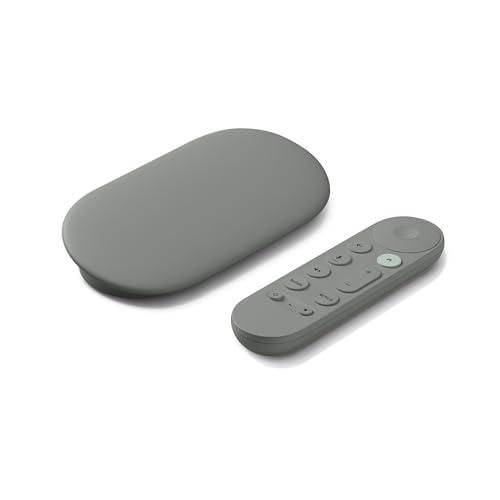
Google TV Streamer 4K
Google swapped the Chromecast dongle for a flat box carrying 32GB of storage and an Ethernet jack. Thread and Matter radios sit inside, so lights, locks and sensors bind directly instead of through a separate hub. Recommendation rows pull titles across your subscriptions rather than pushing a single store.
Pros
- Doubles as a Matter and Thread hub
- Cross service rows cut down app hopping
- Ethernet built in rather than sold separately
Cons
- Menu response trails Apple TV 4K
- Setup requires a Google account

NVIDIA Shield TV Pro
3GB of RAM and a Tegra X1 plus chip let this box host Plex Media Server while streaming at the same time. AI upscaling rebuilds 1080p sources on a 4K panel with more detail than most television processors manage. Two USB ports accept external drives, keyboards or game controllers.
Pros
- Hosts a Plex server without leaving a PC running
- AI upscaling sharpens older 1080p libraries
- USB ports take drives and controllers
Cons
- Hardware design dates back several generations
- Android TV home screen pushes recommendation rows

Roku Streaming Stick 4K
Small enough to tuck behind a hotel panel, this stick still decodes Dolby Vision and HDR10 plus. Long range wireless sits inside the stick body, so nothing extra dangles from the HDMI port. Hotel and dorm connect mode pushes captive portal logins to your phone, where they actually load.
Pros
- Hotel sign in mode clears captive portal screens
- Draws power from many TV USB ports
- Same channel catalogue as Roku Ultra
Cons
- App launches lag behind Fire TV Stick 4K Max
- Basic remote runs on disposable batteries
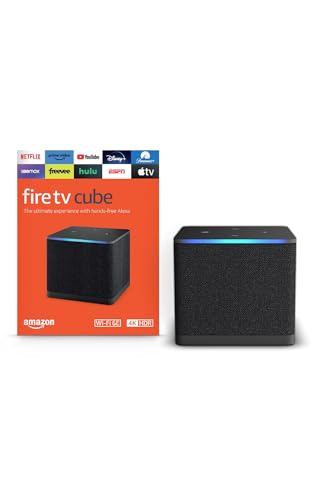
Amazon Fire TV Cube (3rd generation)
Far field microphones pick up commands across a room, so inputs and playback change without a remote in hand. An HDMI input routes a cable box or console through the Cube, extending voice control to those sources. Ethernet and Wi-Fi 6E both ship inside for steady 4K delivery.
Pros
- Hands free Alexa without a separate speaker
- HDMI input brings voice control to consoles
- Wired Ethernet included for busy networks
Cons
- Bulkier than a stick or slim box
- Home screen advertising cannot be switched off
Side by side
| # | Model | Processor | Best for | Score | Price |
|---|---|---|---|---|---|
| 1 | Apple TV 4K (3rd generation) | A15 Bionic | Best overall | 9.4 | Check price |
| 2 | Roku Ultra (2024) | Dolby Vision, HDR10 plus | Best for app selection | 9.2 | Check price |
| 3 | Amazon Fire TV Stick 4K Max (2nd generation) | 16GB | Best value | 9.0 | Check price |
| 4 | Google TV Streamer 4K | 32GB | Best for smart home control | 8.8 | Check price |
| 5 | NVIDIA Shield TV Pro | 3GB RAM | Best for local media | 8.6 | Check price |
| 6 | Roku Streaming Stick 4K | HDMI stick | Best for travel | 8.3 | Check price |
| 7 | Amazon Fire TV Cube (3rd generation) | Far field microphones, hands free | Best for hands free voice | 8.0 | Check price |
What matters most
What should you look for in a 4K streaming device? Start with HDR. A 4K signal without Dolby Vision or HDR10 plus leaves contrast and colour range unused. Chip and memory come next, since those two numbers decide whether menus still respond three years from now. Storage below 8GB fills once you install a dozen apps. Wi-Fi 6 helps in busy homes, and an Ethernet port removes buffering from the equation. Dolby Atmos passthrough only matters if a soundbar or receiver can decode it.
Which streaming platform is easiest to live with? Roku puts every app in a flat grid, which suits shared televisions and less technical users. tvOS runs fastest and keeps advertising off the home screen. Fire TV promotes Amazon titles heavily, yet delivers the most speed in stick form. Google TV blends subscriptions into one feed and takes on smart home hub duties. Once all seven play 4K cleanly, interface preference decides more often than silicon does.
Which 4K streamer is best for Plex, gaming or a smart home? Plex libraries point straight at NVIDIA Shield TV Pro, which runs the server itself and upscales older rips. Own Matter or Thread gear? Google TV Streamer 4K removes the need for a separate hub. Apple TV 4K links into HomeKit and runs controller based Arcade titles smoothly. Bluetooth controllers pair with every box here for casual play. Match the streamer to the rest of your network, not to the spec sheet alone.
Can a streaming stick work in hotels and on second TVs? Hotel Wi-Fi usually demands a browser sign in that most sticks cannot display. Roku Streaming Stick 4K answers that with hotel and dorm connect mode, moving the login to your phone. Power is the second obstacle. Many hotel TV USB ports supply too little current, so pack the mains adapter. A short HDMI extender helps when the panel sits flush against the wall.
Good to know
What is the best 4K streaming device overall?
Apple TV 4K (3rd generation), for its A15 chip, Dolby Vision support and years of continued tvOS updates. Roku Ultra suits households that value app breadth and a simple grid over raw speed.
Is Roku or Fire Stick better for 4K?
Roku carries a wider app catalogue and a less commercial home screen. Fire TV Stick 4K Max runs faster and adds Wi-Fi 6E. Prime households usually lean Fire TV, while mixed subscription homes prefer Roku.
Do you need Dolby Vision on a streaming device?
Only when the television decodes it. Dolby Vision carries scene by scene brightness data and beats plain HDR10 on capable panels. All seven devices listed here support at least one advanced HDR format.
Can a 4K streaming stick replace a smart TV interface?
Yes, and it usually feels quicker. Built in television platforms slow within a few years and start losing app support. Plugging in Fire TV Stick 4K Max or Roku Streaming Stick 4K restores speed without replacing the panel.
How fast does internet need to be for 4K streaming?
Around 25Mbps per stream covers most services. Two 4K streams at once want roughly 50Mbps. On congested networks, a wired connection matters more than headline speed, which is why Roku Ultra, Google TV Streamer and Fire TV Cube include Ethernet.
Which 4K streaming device is best for Plex?
NVIDIA Shield TV Pro. It hosts Plex Media Server on the box itself and handles demanding transcodes. AI upscaling also cleans up older 1080p files shown on a 4K screen.
Do streaming sticks work in hotels?
Roku Streaming Stick 4K includes a hotel and dorm connect mode for captive portal logins. Rival sticks frequently stall at that sign in page. Carry the power adapter, since hotel USB ports rarely deliver enough current.
How long do 4K streaming devices last before they slow down?
Budget devices with 1GB of RAM tend to feel sluggish within two or three years. Apple TV 4K and NVIDIA Shield TV Pro carry more memory and hold up longer, and Apple keeps updating hardware well past release.
Which streaming device works best with a smart home?
Google TV Streamer 4K, because Thread and Matter radios are built in and control lights, locks and sensors directly. Apple TV 4K fills the same role for HomeKit households and also acts as a Thread border router.
Does a 4K streamer need Wi-Fi 6 or Ethernet?
Neither is essential on a quiet network. Both help once several devices share the connection. Ethernet gives the most consistent result for large 4K files, and Wi-Fi 6E on Fire TV models avoids the busiest 5GHz channels in apartment buildings.
Our pick
Apple TV 4K (3rd generation) earns the top spot through raw speed, an ad free home screen and update support that outlasts every rival platform. Roku Ultra (2024) makes more sense for shared households, pairing the widest app catalogue with a remote you can page when it vanishes into a sofa. Fire TV Stick 4K Max delivers most of that performance in stick form, provided a promotional home screen does not bother you.
Marcus Chen
Marcus covered consumer electronics for enthusiast tech publications for six years before joining ChoiceCrest. He specializes in translating manufacturer spec sheets into plain-language buying advice, with a focus on audio, computing accessories and smart-home gear.

