Bavaria Trachten Haferl Boots: A Real-Leather Oktoberfest Shoe
Real leather is the detail that matters most here – it’s what separates a Haferl boot like this from a synthetic costume shoe you’ll be lucky to wear twice. I’d rather be upfront that the listing I worked from is light on detail (no sole material or arch support specifics), so this review is necessarily more about the category and construction than a full spec breakdown.
Best suited for
I’d recommend this to anyone who wants a complete, authentic Trachten look rather than pairing lederhosen with generic boots or sneakers. If you only need boots for one event, I’d weigh the real-leather price against how often you’ll realistically wear them again – this isn’t a cheap costume-rental-grade purchase, and the value case depends on repeat use.
What you’re getting
- Real leather construction
- Traditional Haferl styling specific to Bavarian Trachten outfits
- Available in multiple brown leather finishes
Sizing notes
Leather shoes don’t stretch and break in the way fabric sneakers do, so I’d size true to your measured foot length rather than rounding up hoping for break-in room, and rather than rounding down expecting leather to loosen significantly. Traditional Haferl boots also tend to run in a slightly narrower last than modern athletic shoes, reflecting the style’s European heritage, so if you have a wide foot, I’d check reviews or size charts for width specifically rather than assuming standard width.
What it’s made of
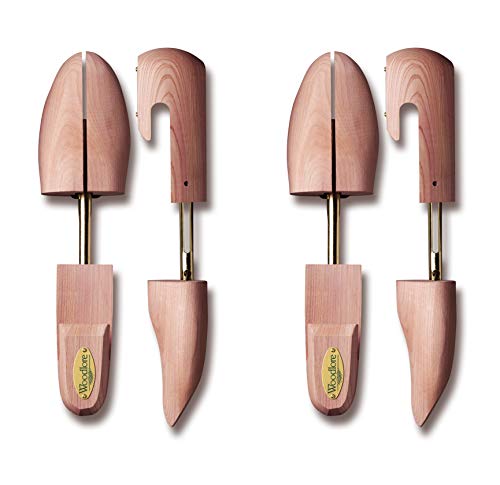
Real leather needs actual upkeep: a leather conditioner every few wears if the boots see regular use, and storage with boot shapers or newspaper stuffing to maintain shape between Oktoberfest seasons. Avoid getting them soaked – leather that dries out after being wet without conditioning afterward tends to crack and stiffen, which is the main way a quality leather boot gets ruined prematurely. If you’re only wearing these once a year, I’d still condition them before storage, not just before wear.
Where this sits in the category
Against a synthetic or pleather costume boot, real leather here is a meaningful step up in both appearance and durability – synthetic materials tend to crack or peel within a season or two of occasional wear, while leather properly cared for lasts years. Against renting a full costume with boots included, buying real leather boots separately costs more upfront but means you own a piece you can actually re-wear, rather than paying a rental fee every single year for lower-quality footwear.
Is it worth the price
At around $115, genuine leather boots cost meaningfully more than a synthetic costume alternative, but I think the math favors leather if you’ll wear these more than once or twice. Divided across multiple Oktoberfest seasons, the cost per wear ends up lower than repeatedly buying cheap synthetic boots that crack after a season or two. For a true one-time costume need, I’d weigh whether the upfront cost is worth it versus a cheaper option you don’t mind discarding afterward.
Where this does well
- Real leather holds up to repeated wear far better than a synthetic costume shoe
- The traditional silhouette actually matches the rest of a lederhosen outfit instead of looking mismatched
- The brown leather finish works with most lederhosen and sock color combinations
- A properly cared-for leather boot can be re-worn for years rather than discarded after one event
Where I’d push back
- The listing doesn’t detail sole material or arch support, so I can’t speak to comfort over a full day
- Real leather needs proper storage and occasional conditioning to last
- If you’re a single-event buyer, I’d weigh the price against how often you’ll wear these again
- Traditional lasts can run narrower than modern athletic shoes, which matters if you have a wide foot
Frequently asked questions
Do these need to be broken in?
Leather does soften with wear over time, but I wouldn’t count on significant stretching – size to your actual measured foot rather than hoping for break-in room.
Can these boots be resoled if the sole wears out?
The listing doesn’t specify, but genuine leather boots are often resoleable by a cobbler, which is worth asking about locally if you plan to wear these for years.
Do they come in half sizes?
The listing doesn’t mention half sizes specifically, so if you’re between sizes, I’d size up given that leather doesn’t stretch the way fabric does.
How do I store these between uses?
Condition the leather before storing, and use boot shapers or stuffing to help them hold their shape if you’re only wearing them seasonally.
Are these true to width as well as length?
The listing doesn’t specify, but traditional Haferl styling tends to run on the narrower side – I’d check for width-specific sizing guidance if you have a wide foot.
Is there a lighter-colored option for warmer weather outfits?
The listing I checked shows a light brown finish, and Bavaria Trachten typically offers a few leather tones, so checking their other Haferl listings for a different shade is reasonable if light brown doesn’t match your outfit.
Do these boots require a specific type of lederhosen to pair with?
Haferl boots traditionally pair with most lederhosen lengths and styles, so they’re a flexible footwear choice rather than being restricted to one specific cut the way some sock styles are.
Can these boots be worn in wet or rainy conditions?
Leather resists light moisture but isn’t waterproof, so I’d avoid heavy rain exposure without a protective treatment, and let them dry naturally away from direct heat if they do get wet.
Is there a women’s version of this boot style?
Haferl-style boots are traditionally more associated with men’s Trachten outfits, though some retailers offer women’s traditional Bavarian footwear separately – check Bavaria Trachten’s broader catalog if you need a women’s style specifically.
Do these need a specific sock pairing to look right?
Pairing with the traditional Loferl or knee-high lederhosen socks (rather than plain athletic socks) will complete the authentic look far better – mismatching modern socks with traditional boots is one of the most common styling mistakes I’d watch for.
Do these boots run warm in hot weather?
Real leather breathes better than synthetic costume materials, but a full boot is still warmer than an open sandal – for a hot outdoor festival day, that’s a reasonable tradeoff for the authentic look, though your feet will likely be warmer than in lighter footwear.
A couple of alternatives
If budget is the primary concern and you only need boots for one event, a synthetic Haferl-style boot will cost meaningfully less and still complete the look for a single wear. If you want even more durability and are willing to pay more, some sellers offer thicker full-grain leather versions rather than suede, which hold up to repeated wear even better, at a higher price.
My verdict
For completing an authentic lederhosen outfit, I think a real-leather Haferl boot is the right call over generic footwear. I’d check the seller’s size chart carefully, though – leather doesn’t stretch the way fabric does, and getting the size wrong on a leather shoe is a more expensive mistake than on a synthetic one.
Amazon product listing – I have not personally worn or tested this item, and I say so plainly rather than imply otherwise.
Priya Nathan
Priya spent years in apparel buying and merchandising for a multi-brand retailer before moving into editorial work. She focuses on fit, fabric and construction quality across everyday wear, activewear and accessories, reading past marketing copy to the details that affect how a garment actually wears and holds up.