Why Is My RV Water Heater Not Getting Hot?
A cold RV water heater is most often caused by an unlit pilot, a tripped thermal cutoff switch, a bypass valve left in the wrong position, or a gas supply or electrical issue, not a failed heating element itself. Working through those in order usually finds the problem faster than assuming the unit needs replacing.
Check the bypass valve position first
Many RVs have a water heater bypass system used for winterizing, and if that valve is left in bypass position, water skips the tank entirely and only cold water reaches the faucets, which looks identical to a water heater that will not heat. This is the single most common cause after a season of storage or after any plumbing work, and it costs nothing to check before troubleshooting anything mechanical.
A tripped thermal cutoff or ECO switch
Most RV water heaters, gas and electric alike, have a thermal cutoff or energy cutoff switch that trips if the unit overheats or runs dry, and once tripped it will not produce hot water again until manually reset, usually a small red button near the thermostat on the heater’s access panel. Running the heater dry even briefly, which happens if the tank was drained but the water pump was still run, commonly trips this switch.
Gas heaters specifically: pilot and gas supply
On propane models, a pilot that will not stay lit often means a weak thermocouple, a dirty orifice, or low propane pressure from a nearly empty tank. Many RV water heaters also will not ignite reliably below a certain propane tank level even though other appliances still run fine, since the water heater’s burner draws gas at a higher rate than something like a stovetop burner.
Electric heaters specifically: breaker and element
On the electric side, a tripped breaker, a blown heating element, or insufficient incoming voltage from a long or undersized extension cord are the common causes. RV electric water heater elements typically run at 110 or 120 volts and draw enough current that a thin or very long cord can cause a voltage drop severe enough to prevent proper heating even though the unit technically has power.
How sediment and mineral buildup slow heating over time
Hard water leaves mineral scale inside the tank over repeated fill and drain cycles, and that buildup insulates the heating element or burner chamber from the water it is supposed to heat. A tank that used to heat quickly but now takes noticeably longer, without any error or tripped switch, often has enough scale buildup that a flush through the drain plug and anode rod area is worth doing before assuming a part has failed.
Why a water heater might work at a campground but not at home, or vice versa
If the heater works fine on one power source but not another, that usually points to the specific supply rather than the unit itself, a weak campground pedestal voltage, a different propane tank with more sediment or a worn regulator, or a generator not quite delivering clean enough power for the electric element to draw properly.

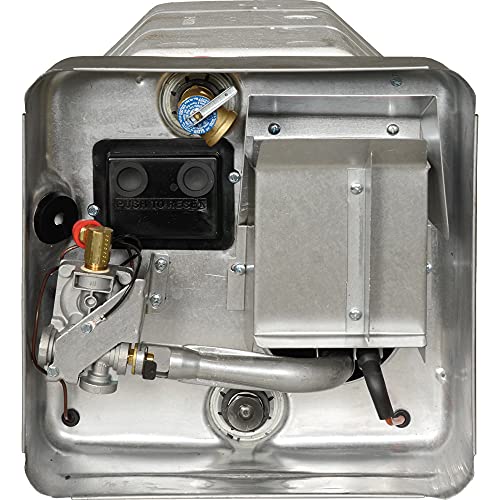
Suburban SW6DEL RV Water Heater
A common gas and electric dual-mode RV water heater replacement unit, often swapped in for failed factory units of the same tank size.
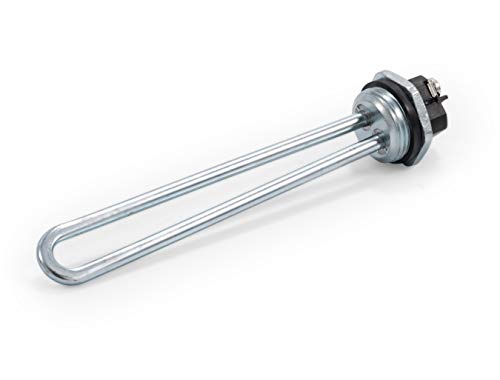
Camco RV Water Heater Element
A direct-fit replacement heating element for electric-mode RV water heaters, a frequent fix when the electric side specifically stops heating.
Good to know
How do I know if my water heater bypass valve is set wrong?
Check the valve handles near the water heater’s intake and outlet lines, usually labeled, and confirm they are set to normal operation rather than bypass or winterizing position, which routes water around the tank entirely.
Where is the reset button on an RV water heater?
It is typically a small red button on the heater’s thermostat or control panel, accessible either from inside a cabinet or through the exterior access door depending on the model.
Can a nearly empty propane tank really prevent the water heater from lighting?
Yes, water heaters often need higher gas flow to ignite reliably than other appliances, so a tank that still runs a stovetop fine can be too low for the water heater specifically.
Does running an RV water heater on electric and gas at the same time heat faster?
Dual-mode units generally do heat faster running both simultaneously, assuming your electrical hookup and breaker can support the added electric draw.
How long should it take for an RV water heater to heat a full tank?
Gas units typically heat a 6 to 10 gallon tank in 20 to 30 minutes, while electric-only heating on the same tank size commonly takes closer to an hour or more depending on incoming water temperature.
Can cold weather outside affect how well an RV water heater performs?
Yes, very cold incoming water takes longer to heat regardless of the unit’s condition, and extreme cold can also affect propane vaporization rate in the tank.
Is it safe to reset the thermal cutoff switch myself?
Generally yes for a single reset, but if it trips repeatedly, that is a sign of an underlying problem, like a failing thermostat or a dry-fire event, that needs addressing rather than just resetting again.
How often should an RV water heater tank be flushed?
Most manufacturers recommend flushing sediment and checking the anode rod, on models that have one, once or twice a year depending on how hard the water supply typically is and how often the RV is used.
Can a bad thermostat cause lukewarm instead of fully cold water?
Yes, a thermostat that has drifted or partially failed sometimes still heats water partway before cutting off early, which presents as lukewarm rather than fully cold, a different symptom pattern than the causes covered above.
Does altitude affect propane-fired RV water heaters?
At significantly higher elevations, propane combustion efficiency can drop slightly, and some manufacturers note derated performance above certain altitudes, though this is a smaller factor than the tank level and regulator issues covered earlier.
Why would hot water run out faster than it used to on the same unit?
A shrinking usable hot water supply with the same tank size often points to sediment buildup taking up tank volume, a failing dip tube letting incoming cold water mix prematurely with hot water, or a mineral-fouled heating element working less efficiently.
Is it worth replacing an old RV water heater instead of repairing it?
If the tank itself is leaking or heavily corroded, replacement is usually the only real option, but issues with the thermostat, element, pilot assembly, or thermocouple are typically repairable parts on an otherwise sound tank.
Can a generator’s power quality specifically prevent an electric water heater from working?
Yes, some generators, especially older or lower-quality inverter models under load, can deliver voltage or frequency outside what an electric heating element’s control board expects, which can prevent the element from engaging even though the generator is technically producing power.
The bottom line
Before assuming the heater itself has failed, check the bypass valve and the reset switch, since those two causes account for a large share of no-hot-water calls and cost nothing to rule out. If both check out fine, the fault narrows quickly to either the gas side or the electric side depending on which mode you were using.
Tony Russo
Tony trained as an automotive technician and spent years in service and parts retail before moving into writing. He focuses on garage tools, car care products and accessories from a hands-on maintenance perspective.