Why Do Leather Wallets Need Conditioning Over Time?
Leather is skin, and like skin it naturally loses the oils that keep it flexible over time, through exposure to air, friction, and especially moisture from rain, sweat, or spills, which causes the fibers to stiffen, crack, and eventually break down at stress points like fold lines, so conditioning replaces those lost oils and keeps the leather supple instead of brittle.
Leather is a living material even after tanning
Tanning stabilizes animal hide into a durable material, but it does not stop the leather’s fiber structure from continuing to need moisture and natural oils to stay flexible, in much the same way skin needs ongoing moisture rather than a one time treatment.
What actually dries leather out day to day
Repeated exposure to air, body heat from being carried in a pocket, friction at fold lines, and especially drying out after getting wet all pull moisture and natural oils out of the leather fibers faster than they would deplete simply from sitting unused.
Why fold lines crack before the rest of the wallet does
A wallet’s center fold flexes every time it opens and closes, concentrating stress at that exact line far more than anywhere else on the wallet. Dried out leather fibers at that fold point have less flexibility to absorb repeated bending, which is why visible cracking almost always starts there first.
What conditioning actually does at the fiber level
A leather conditioner replaces lost natural oils and adds a controlled amount of moisture back into the fiber structure, restoring flexibility and making the material more resistant to cracking under the same repeated folding and friction that caused the dryness in the first place.
How often conditioning is actually needed
Most everyday leather wallets benefit from conditioning somewhere between every three and six months under normal use, though climate matters, dry or low humidity environments and frequent exposure to heat, like in a back pocket, dry leather out faster and may call for more frequent conditioning.
Signs a wallet needs conditioning before cracking actually starts
A dull, slightly ashy or faded look to the leather surface, a stiffer feel at the fold compared to when new, or the leather starting to feel rough rather than smooth to the touch are all signs worth acting on before visible cracks appear.

Bickmore Bick 4 Leather Conditioner
A widely used leather conditioner formulated to restore oils and softness to finished leather goods like wallets and boots without excessive darkening.
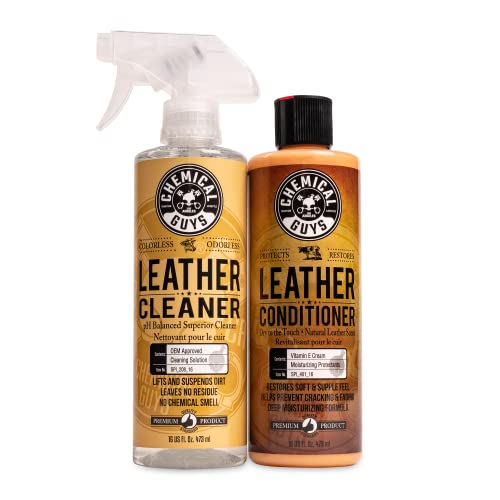
Chemical Guys Leather Conditioner and Cleaner
A combined leather cleaning and conditioning product commonly used on smaller leather goods including wallets, applied with a soft cloth in small amounts.
Questions worth asking
How often should a leather wallet actually be conditioned?
Roughly every three to six months under normal everyday use is a reasonable starting point, though dry climates or wallets carried in a hot back pocket regularly may need conditioning somewhat more often.
Can conditioning a leather wallet too often cause problems?
Yes, over-conditioning can oversaturate the leather with oil, leaving it feeling greasy, darkening the color more than intended, and in some cases softening the structure more than is good for the wallet’s shape, so moderation matters as much as doing it at all.
Does every type of leather wallet need the same conditioning treatment?
No, full grain and top grain leather generally accept conditioner well, but some finished or coated leather, and especially bonded or faux leather, can react poorly to conditioner meant for natural leather, so checking the wallet’s specific material is worth doing first.
What happens if a cracked leather wallet is conditioned after the damage is already done?
Conditioning can soften the surrounding leather and sometimes make an existing small crack less likely to spread further, but it does not reverse or repair fibers that have already physically broken at the crack line.
Can you use regular hand lotion or olive oil instead of actual leather conditioner?
It is not recommended, since household oils and lotions are not formulated for leather’s specific fiber structure and can go rancid, darken the leather unevenly, or clog the leather’s surface rather than properly absorbing the way a purpose made conditioner does.
Does getting a leather wallet wet in the rain damage it permanently?
Not usually if it is allowed to air dry slowly away from direct heat, though repeated wetting without conditioning afterward accelerates the drying out process that eventually leads to stiffness and cracking at the fold.
Why does a leather wallet feel stiffer in cold weather?
Cold temperatures reduce the flexibility of the oils within the leather fibers temporarily, similar to how many materials stiffen in the cold, and this is a separate, temporary effect from the longer term dryness that conditioning addresses.
Does a thinner, minimalist leather wallet need conditioning as often as a thicker bifold?
Thinner leather generally has less material mass holding oil reserves, so it can dry out and show stress at fold lines somewhat faster than thicker leather, which means thinner wallets sometimes benefit from slightly more frequent attention.
Can conditioning change the color of a leather wallet?
Yes, most leather conditioners darken leather at least slightly by saturating it with oil, which is a normal and expected effect, though testing on a small hidden area first is a reasonable precaution with lighter colored leather.
Is it normal for a new leather wallet to already feel slightly dry out of the box?
Some leather, depending on the tanning and finishing process, does ship with less surface oil than it will eventually need, so an early conditioning treatment on a brand new wallet is not unusual or a sign of a defect.
Does carrying a wallet in a back pocket speed up the need for conditioning?
Yes, body heat combined with sitting on the wallet for extended periods accelerates moisture loss from the leather compared to a wallet carried in a bag or front pocket, which is part of why back pocket wallets often show wear sooner.
Can a leather wallet be conditioned too late, after it is already badly cracked?
Conditioning at that stage can slow further spreading of existing cracks and improve the overall feel, but it will not restore the wallet to its original, uncracked condition, since the fiber damage at that point is already physical, not just a moisture deficiency.
Does the type of leather tanning process affect how often conditioning is needed?
Yes, vegetable tanned leather generally dries out and needs conditioning somewhat more readily than chrome tanned leather, which tends to retain moisture a bit longer due to differences in how each tanning method treats the hide’s fiber structure.
Is there a way to tell if a conditioner is actually working versus just sitting on the surface?
A properly absorbed conditioner leaves the leather feeling slightly softer and looking slightly richer in color within a few minutes to a few hours, while a greasy residue still visible on the surface after that time usually means too much product was applied.
Does the color of the leather affect how noticeable conditioning’s darkening effect is?
Yes, lighter colored leather like tan or natural shows oil based darkening far more visibly than already dark brown or black leather, which is why testing a small inconspicuous area first matters more on light colored wallets.
Can a leather wallet be over conditioned to the point of weakening the material?
Yes, excessive oil saturation over time can soften the fiber structure beyond what is structurally ideal, which is part of why most leather care guidance recommends conditioning on a schedule rather than whenever the leather simply looks slightly dull.
Where this leaves you
Conditioning is maintenance for a fiber structure that keeps losing moisture whether you use the wallet constantly or barely at all. A small amount applied every few months at the fold line specifically is a cheap way to avoid the kind of cracking that no amount of conditioning can undo once it actually happens.
Priya Nathan
Priya spent years in apparel buying and merchandising for a multi-brand retailer before moving into editorial work. She focuses on fit, fabric and construction quality across everyday wear, activewear and accessories, reading past marketing copy to the details that affect how a garment actually wears and holds up.


