Why Does a Lawn Aerator Improve Grass Growth More Than Just Watering More?
Watering more only helps grass that can actually absorb and use that water, and compacted soil physically blocks water, air, and nutrients from reaching the root zone no matter how much you irrigate, so extra watering on compacted lawn mostly runs off or pools rather than soaking in. A lawn aerator punches or pulls small cores out of that compacted soil, opening channels that let water, oxygen, and fertilizer actually reach the roots, which is why aerated lawns often show thicker growth within weeks even without any change in watering volume.
What soil compaction actually does underground
Foot traffic, mowing equipment, and naturally dense clay soil pack soil particles tightly together over seasons, squeezing out the small air pockets roots and water both need to move through. Grass roots in compacted soil end up shallow and weak, since they physically can’t push down through ground that’s packed too tightly to penetrate.
Why water alone can’t fix a compaction problem
On compacted, especially clay heavy soil, water tends to pool on the surface or run off before it can soak in, meaning a lot of what you’re watering with never actually reaches the root zone at all. Pouring on more water in that situation often just increases runoff and surface puddling rather than solving the underlying absorption problem, and on a sloped yard that runoff frequently just ends up on a sidewalk or in a storm drain instead of the lawn.
Core aeration versus spike aeration and why the difference matters
Core aeration physically removes small plugs of soil, creating genuine open channels and slightly relieving the surrounding compaction as soil settles back in around the holes. Spike aeration just punches solid holes without removing material, which can actually compact the soil immediately around each hole further, making it a less effective long term fix despite looking similar on the surface.
What aeration actually lets happen once channels exist
With open channels in place, oxygen can reach grass roots more easily, which supports healthier root respiration, and fertilizer or overseed applied afterward makes direct contact with soil instead of sitting on top of compacted ground or a thatch layer where it’s far less effective. Deeper root growth that follows also makes the whole lawn noticeably more drought tolerant, since roots that can finally push down past the old compacted layer reach moisture that shallow roots never could.
Timing aeration around grass type and season
Cool season grasses like fescue and bluegrass are best aerated in early fall or spring when they’re actively growing and can recover quickly, while warm season grasses like Bermuda or zoysia respond better to aeration in late spring or early summer during their active growth period.
How often a lawn actually needs aeration
Lawns under heavy foot traffic or sitting on dense clay soil often benefit from yearly aeration, while lighter use lawns on better draining soil can usually go every two to three years without much noticeable difference from aerating more frequently than that. A simple screwdriver test, pushing one into the soil, is a rough way to gauge whether compaction has built back up enough to justify another pass sooner than planned.
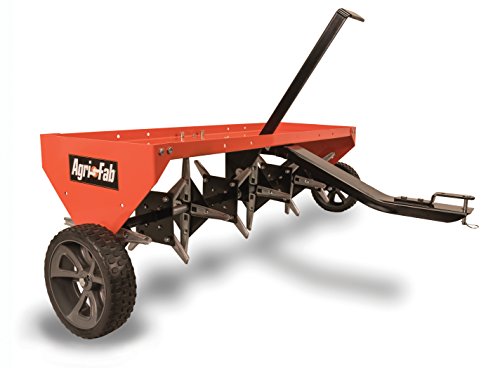
Agri-Fab 45-0299 Tow Plug Aerator
A tow-behind core aerator for larger lawns, pulled by a riding mower or tractor to pull soil plugs across a wide area efficiently.

Yard Butler ID-6C Coring Aerator
A manual, step-on core aerator suited to small yards or spot treating compacted areas without renting powered equipment.
Frequently asked questions
What is the best time of year to aerate a lawn?
It depends on grass type: cool season grasses do best aerated in early fall or spring, while warm season grasses respond better to aeration in late spring through early summer during their peak growth period.
Can aerating actually hurt an already healthy lawn?
Properly done core aeration rarely harms a healthy lawn and typically just causes brief, cosmetic soil plugs on the surface that break down within a couple of weeks, though aerating during extreme heat or drought stress isn’t ideal.
How long until results from aeration are actually visible?
Many people notice thicker, greener growth within two to four weeks as roots take advantage of the newly opened soil, though full benefits, especially from any overseeding done at the same time, can take a full season to show completely.
Should you overseed right after aerating a lawn?
Yes, this is a commonly recommended combination, since the holes left by core aeration give grass seed direct soil contact and a sheltered spot to germinate rather than sitting exposed on the surface.
Does aeration help with a thick thatch layer too?
Aeration can help somewhat by creating channels through thatch, but a thatch layer thicker than about half an inch generally needs dedicated dethatching rather than relying on aeration alone to break it down.
Is a manual aerator enough for a small yard, or is gas powered needed?
A manual step-on or rolling core aerator is usually sufficient for small yards and saves the cost of renting equipment, though it takes considerably more physical effort than a gas powered unit on anything beyond a modest sized lawn.
Can you aerate soil that’s still wet from recent rain?
Slightly moist soil is actually ideal, since it’s easier for the aerator to penetrate and pull clean plugs, while completely dry, hard soil resists penetration and soaking wet, muddy soil can clog the aerator’s tines.
Does renting aeration equipment make sense for a one-time job?
For most average sized residential yards, renting a core aerator for a day is usually more practical and cost effective than buying one outright, especially if aeration is only planned once a year or less.
How deep do the soil plugs from aeration typically go?
Most core aerators pull plugs roughly two to three inches deep, which is generally enough to meaningfully relieve compaction in the upper root zone where most grass roots are actively growing.
Is aeration needed on sandy soil the way it is on clay?
Sandy soil compacts less severely than clay and drains more freely on its own, so while aeration can still help sandy lawns under heavy traffic, the urgency and frequency needed is usually lower than for clay heavy soil.
Can aeration equipment damage underground irrigation lines or sprinkler heads?
Yes, this is a real risk if lines are shallow or sprinkler heads aren’t flagged beforehand, so marking irrigation components before aerating helps avoid accidentally puncturing or damaging them.
How long should a lawn rest after aeration before mowing again?
Most guidance suggests waiting until the soil plugs have broken down or at least a few days to a week, giving any overseeding time to establish before regular mowing traffic resumes.
Does fertilizer actually work better right after aerating?
Yes, fertilizer applied right after aeration has a more direct path into the root zone through the open channels, rather than sitting mostly on the surface or on top of a compacted layer where much less of it would reach the roots.
Can aeration alone fix a lawn with severe compaction and thin grass?
It’s a major step but often not the only one needed; severely compacted, thin lawns usually also benefit from overseeding and a consistent fertilization schedule alongside aeration rather than aeration as a standalone fix.
Is spike aeration ever actually worth doing instead of core aeration?
Spike aeration is sometimes used for quick, light relief or where core removal isn’t practical, but for genuine, lasting compaction relief, core aeration that actually removes soil plugs is generally considered the more effective method.
Our take
More water on compacted soil is pouring effort into a problem that water alone can’t reach. Opening the soil physically, so what you’re already watering and fertilizing can actually get to the roots, is why aeration tends to outperform simply watering harder.
Sierra Daniels
Sierra's background is in landscape design and nursery retail. She focuses on lawn and garden equipment, outdoor furniture and gear durability, weighing published specs against how materials actually hold up outside.


