Is a Wool Coat Actually Warmer Than a Synthetic Insulated Jacket?
There is no single answer, because warmth depends on thickness and insulation type, not just the material name. A thick wool coat can outperform a thin synthetic jacket, but a quality synthetic-insulated jacket of similar bulk usually traps heat more efficiently per ounce of weight than wool does, since synthetic fill is specifically engineered to trap air with less material.
What actually makes a garment warm
Warmth comes from trapped air, not the fiber itself. Wool fibers trap air between their natural crimps and scales, while synthetic insulation like polyester fiberfill traps air in a web of fine, lofted strands. Both work on the same basic principle, but synthetic fill generally achieves more trapped air per unit of weight, which is why synthetic jackets can feel warmer while weighing less than a comparably thick wool coat.
Where wool actually wins
Wool holds its insulating ability even when damp, since the fiber’s structure keeps trapping air even with some moisture present, while most synthetic insulation performs reasonably well wet too, though both lose some efficiency compared to staying fully dry. Wool also breathes more naturally, releasing excess body heat and moisture during activity, which can prevent the clammy overheating some synthetic jackets cause during exertion.
Where synthetic insulation wins
Synthetic jackets dry much faster than wool after getting wet, hold their loft better over years of compression in storage, and typically cost less for a comparable warmth level. For high-output activities where a jacket gets stuffed and unstuffed repeatedly, synthetic fill recovers its loft more reliably than wool, which can mat down over repeated compression.
Why thickness matters more than fiber type
A thin wool coat, like a tailored dress coat, is not actually warmer than a well-insulated synthetic puffer jacket, because the wool coat simply does not have enough material thickness to trap a comparable amount of air. The comparison only makes sense when thickness and insulation amount are roughly similar between the two garments.
Wind and weather resistance differences
Tightly woven wool naturally resists wind better than many thin synthetic shells, since dense wool fiber blocks air movement through the fabric itself. Synthetic jackets rely on an outer shell layer for wind resistance, so a synthetic jacket’s warmth depends heavily on whether that outer shell is windproof, not just on the insulation inside it.
Layering behavior differs too
Wool coats are usually worn as a single heavier layer over indoor clothing, while synthetic insulated jackets are often designed to be one layer in a system, worn over a base layer and sometimes under a shell in genuinely harsh cold, which changes how each performs in real-world temperature ranges.
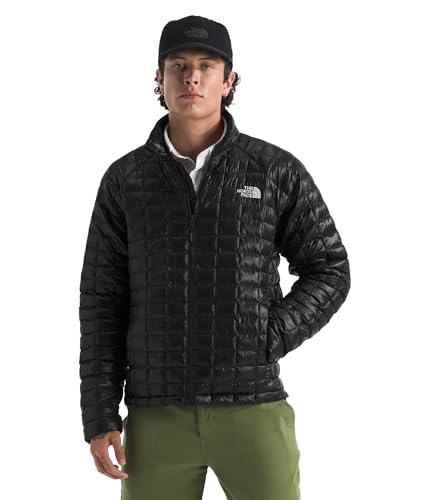
Patagonia Nano Puff Jacket
A widely used synthetic insulated jacket filled with PrimaLoft insulation, built to stay warm even if it gets damp and to pack down small for travel.

L.L.Bean Classic Wool Blend Coat
A traditional wool blend overcoat built for structured warmth in dry cold, more suited to daily wear than high-output outdoor activity.
Questions worth asking
Is wool automatically warmer than synthetic insulation ounce for ounce?
Not automatically. Most synthetic insulation traps more air per ounce than wool, so a lighter synthetic jacket can match or exceed a heavier wool coat’s warmth.
Does wool stay warm when wet?
Yes, wool keeps a meaningful portion of its insulating ability even damp, because its fiber structure still traps air, unlike cotton, which loses almost all insulating value when wet.
Why do synthetic jackets dry faster than wool coats?
Synthetic fibers do not absorb water into the fiber itself the way wool does, so moisture sits on the surface and evaporates faster rather than soaking into the material.
Does a synthetic jacket lose its warmth over time?
Yes, repeated compression and washing gradually reduces the loft of synthetic fill, which lowers its insulating ability, though quality jackets resist this better than cheap ones.
Can wool coats be worn in heavy rain?
Tightly woven wool resists light rain reasonably well, but it is not waterproof, and heavy sustained rain will eventually soak through, adding significant weight to the coat.
Is down insulation warmer than both wool and synthetic fill?
Down generally offers the best warmth to weight ratio of the three when dry, but it loses insulating ability dramatically when wet and dries very slowly, which is a real disadvantage synthetic fill does not share.
Does wool itch more than synthetic jackets?
Coarser wool can feel itchy against bare skin, though finer wools like merino are much softer, while synthetic jacket linings are typically smooth and non-irritating by design.
Why do some synthetic jackets feel colder than expected in windy weather?
If the outer shell fabric is thin or not windproof, wind can cut through and strip away the trapped warm air faster than the insulation can replace it, regardless of how good the fill itself is.
Is a wool coat a good choice for active outdoor activities like hiking?
Generally no, since wool coats are heavier, bulkier, and less packable than synthetic jackets designed specifically for movement and temperature regulation during exertion.
Does the color of a wool coat or synthetic jacket affect warmth?
Only marginally, through how much solar heat darker colors absorb outdoors in direct sun, but this effect is minor compared to insulation thickness and wind resistance.
Can synthetic insulated jackets be dry cleaned like wool coats?
Most synthetic jackets are machine washable and should not be dry cleaned, since dry cleaning solvents can damage the synthetic fill, while many wool coats require dry cleaning to maintain their shape.
Why do dress coats made of wool feel less warm than expected?
Tailored dress coats are usually cut thinner for a fitted silhouette, which sacrifices insulating thickness for appearance, so they are not built to compete with a thick insulated jacket on raw warmth.
Does blending wool with synthetic fibers change its warmth?
Wool blends with synthetic fibers like polyester or acrylic can improve durability and reduce cost, but they generally trade away some of pure wool’s moisture-handling advantage in the process.
Is it worth owning both a wool coat and a synthetic jacket?
For most climates, yes, since wool suits dry structured cold and daily wear, while a synthetic jacket suits wet conditions, packability, and active use, and the two cover different situations well.
Does altitude or extreme cold change which performs better?
In extreme sustained cold, synthetic or down insulation with a proper shell generally outperforms wool coats, which are not designed as a complete cold-weather system for serious exposure.
Can a wool coat be worn comfortably indoors without overheating the way a synthetic jacket sometimes does?
Yes, wool’s breathability generally makes it more comfortable than a heavily insulated synthetic jacket in mixed indoor and outdoor situations, since it releases excess heat more readily.
Does a synthetic jacket need a separate base layer underneath to perform well in cold weather?
Most synthetic insulated jackets perform best as part of a layering system with a moisture-wicking base layer underneath, rather than being worn directly against bare skin in cold conditions.
Is there a meaningful weight difference between a wool coat and a synthetic jacket offering similar warmth?
Yes, a synthetic jacket providing comparable warmth is usually noticeably lighter than a wool coat, since synthetic fill is specifically engineered to maximize trapped air relative to its own weight.
Do wool coats require more maintenance than synthetic jackets over their lifespan?
Generally yes, since many wool coats need dry cleaning and careful storage to avoid moths or shape loss, while most synthetic jackets can be machine washed and are more tolerant of casual care.
Our take
Neither fabric wins outright. Wool handles damp conditions and daily structured wear better, while synthetic fill delivers more warmth per ounce and recovers from compression more reliably, so the right pick depends on the weather and activity, not brand loyalty to one material.
Priya Nathan
Priya spent years in apparel buying and merchandising for a multi-brand retailer before moving into editorial work. She focuses on fit, fabric and construction quality across everyday wear, activewear and accessories, reading past marketing copy to the details that affect how a garment actually wears and holds up.


