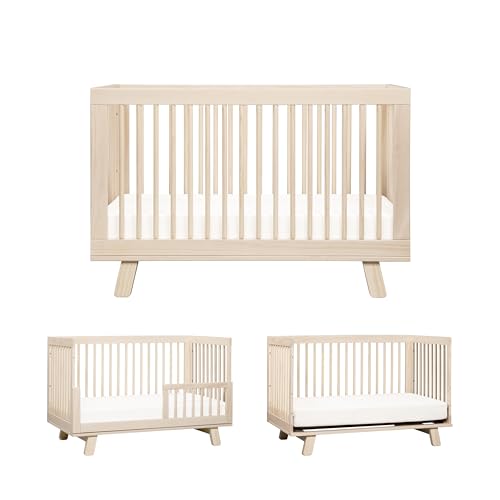
Is a Travel Crib Comfortable Enough for Regular Sleep?
A travel crib can be comfortable enough for regular sleep, but the thin mattress that comes with most models is not. Adding a firm, fitted mattress designed for that specific crib makes a big difference. The bigger question is whether the crib’s size and setup suit your baby’s daily sleep needs, not just occasional naps.
The mattress is the main comfort issue
Most travel cribs ship with a thin, lightly padded mattress pad that is barely thicker than a blanket. For a few nights of travel, that is usually fine. For months of regular sleep, it is not. A firm, properly sized mattress designed for the crib model solves most of the comfort problem. Do not add a soft topper or extra padding, since a firm, flat sleep surface is the safe standard for infants.
Travel cribs are smaller than standard cribs
A standard crib mattress is about 28 by 52 inches. Travel cribs are typically smaller, often around 24 by 40 inches or less. A baby who is used to rolling around a full-size crib may feel cramped in a travel crib, especially as they grow. For a newborn or young infant, the size difference is minor. For an older baby who moves a lot in sleep, it can become a real limitation.
Stability and mattress fit matter for safety
A travel crib used every night needs the same safety checks as any crib: a firm, flat surface, a snug-fitting sheet, no loose bedding, and a mattress that does not leave gaps around the edges. If the mattress is too small or shifts, a baby can get wedged in the gap. Always use the mattress made for that specific crib, and check that it sits flat with no tilting.
Setup and takedown affect daily use
Travel cribs are designed to fold and pack, which means more joints, hinges, and fabric panels than a standard crib. Using one every night means setting it up and taking it down less often, but it still needs to feel solid. A crib that wobbles or has a sagging center will not give a baby the stable surface they need for regular sleep. Look for a model with a firm, flat base and locking mechanisms that stay tight.
When a travel crib makes sense for regular sleep
If you are in a temporary living situation, moving frequently, or short on space, a travel crib can serve as a full-time bed. It works best for younger infants who are not yet pulling up or climbing, and when paired with the manufacturer’s thicker mattress option. Once a baby can stand or climb, a travel crib’s lower profile and lighter frame become a bigger concern.
What to check before committing
Before making a travel crib your baby’s main bed, check the weight and height limits, confirm the mattress is firm and fits without gaps, and make sure the crib does not rock or flex when your baby moves. If your baby sleeps well in it for a week of trial nights, it is likely fine. If they wake more often or seem uncomfortable, the mattress or the size is probably the reason.

Guava Lotus Travel Crib
A lightweight travel crib with a zip-open side and a firm, flat base, often used for both travel and temporary full-time sleep.
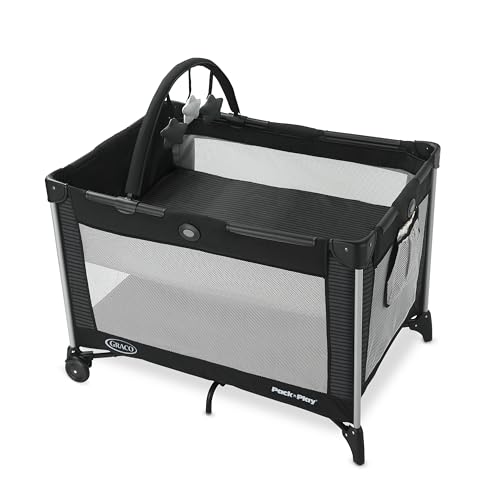
Graco Pack ‘n Play On the Go Travel Playard
A budget-friendly playard with a bassinet insert for younger infants, though the included mattress pad is thin for long-term use.
Good to know
Can a baby sleep in a travel crib every night?
Yes, as long as the crib meets current safety standards, has a firm flat mattress that fits snugly, and is set up securely. Many families use a travel crib as a full-time bed in small homes or during extended travel.
Is the mattress that comes with a travel crib too thin for regular sleep?
For most babies, yes. The included pad is usually minimal. A thicker, firm mattress designed for that specific crib model is a better choice for nightly use, but avoid adding soft toppers or extra padding.
How do I make a travel crib more comfortable for my baby?
Start with a proper fitted mattress for the crib, use a snug sheet, and keep the sleep surface firm and flat. Do not add pillows, blankets, or soft bedding, which are unsafe for infants.
Are travel cribs safe for overnight sleep?
Yes, when used according to the manufacturer’s instructions and current safe sleep guidelines. The crib should have a firm mattress, no gaps around the edges, and no loose bedding.
What is the weight limit for a travel crib?
Limits vary by model, but many travel cribs support babies up to around 30 pounds or until they can climb out. Check your specific crib’s manual, since exceeding the limit can make the crib unstable.
Can my baby use a travel crib until they are a toddler?
Some models convert to a playard for older toddlers, but most travel cribs are outgrown once a child can climb or reaches the weight limit. For regular sleep past infancy, a standard crib or toddler bed is usually more suitable.
Do travel cribs have a lower mattress height than regular cribs?
Many travel cribs sit lower to the ground, which can be harder on your back during night wakings. Some models offer a raised bassinet insert for younger babies, but that insert is not for overnight sleep once the baby can roll.
Is it okay to add a foam mattress topper to a travel crib?
No. Soft toppers are not recommended for infant sleep because they can create a suffocation risk. If you need more comfort, use a firm mattress made for the crib rather than adding soft foam.
How often should I check the travel crib for wear?
Inspect it regularly, especially if it is used every night. Look for frayed seams, bent frames, or a mattress that no longer lies flat. Any sign of damage means the crib should not be used for sleep.
Can a travel crib replace a bassinet for a newborn?
Many travel cribs come with a bassinet insert that is suitable for newborns, but check the manual for the weight limit on that insert. Once the baby can roll, the insert should be removed and the baby moved to the lower mattress level.
Why does my baby seem uncomfortable in a travel crib?
The most common reasons are a thin mattress, a mattress that does not fit snugly, or the smaller size of the crib compared to a standard crib. Try a proper mattress first, and give your baby a few nights to adjust.
Do travel cribs need a special sheet?
Yes, use a sheet made for that crib’s mattress size. A standard crib sheet will be too loose and can bunch up, which is a safety hazard. Many travel crib makers sell fitted sheets specifically for their models.
Can I use a travel crib for a baby who can stand?
Once a baby can stand, a travel crib can still be used if the baby is within the weight and height limits and cannot climb out. However, the lower rail height on some travel cribs makes climbing easier, so watch closely.
Is a travel crib as stable as a standard crib?
A well-made travel crib with locked joints is stable, but it is generally lighter and less rigid than a standard crib. For regular sleep, choose a model with a solid base and check that it does not wobble when your baby moves.
How long can a baby sleep in a travel crib per night?
There is no time limit as long as the crib is safe and the baby is comfortable. Many babies sleep through the night in a travel crib. The key is a firm mattress and a secure setup.
Do travel cribs come with a warranty for regular use?
Most do, but warranties often have time limits and may not cover wear from daily use. Check the terms before buying if you plan to use the crib as a full-time bed.
Can I put a regular crib mattress in a travel crib?
Usually not. Travel cribs are smaller than standard cribs, so a regular mattress will not fit and can create dangerous gaps. Always use the mattress designed for your specific travel crib.
What should I look for in a travel crib for everyday sleep?
Look for a firm, flat base, a snug-fitting mattress option, sturdy locking joints, and a weight limit that fits your baby. A zip-open side can also make it easier to reach your baby without lifting them over the rail.
Is it normal for a travel crib mattress to sag in the middle?
No. A sagging mattress is a sign that the pad is too thin or the base is not properly supported. A sagging surface is not safe for sleep, so replace the mattress or the crib if it cannot be fixed.
Final word
A travel crib can absolutely serve as a regular bed, but treat the included mattress as a starting point, not the final answer. Upgrade to a firm, fitted mattress, check the size and stability, and watch how your baby sleeps for a week. If they settle well, it is comfortable enough. If not, the crib is probably too small or too thin, and a standard crib is the better long-term choice.
Rachel Simmons
Rachel previously worked in child-product retail and brings a practical, detail-first eye to gear reviews, focusing on safety standards, ease of use and the fine print that matters most for new caregivers.