Is a Portable SSD Necessary When You Already Have Cloud Storage?
A portable SSD is not strictly necessary if your files are small and your internet connection is reliable, but it becomes genuinely useful once you work with large files like video footage, need offline access, or want to move data at speeds your internet connection cannot match. Cloud storage and a portable SSD solve different problems, offsite backup and access from anywhere versus raw local transfer speed and independence from the internet, so most people who rely heavily on either one eventually find they actually want both.
What a portable SSD gives you that cloud storage cannot
A portable SSD connected directly to a computer can transfer files at speeds measured in hundreds of megabytes or even gigabytes per second, which is far faster than almost any home internet connection can upload or download the same data to or from the cloud. That speed difference matters enormously for large video files, photo libraries, or big project folders, where waiting for a cloud sync to finish can take hours compared to minutes for a direct drive copy, and none of it depends on having an internet connection at all.
What cloud storage gives you that a drive sitting on your desk cannot
Cloud storage automatically keeps a copy of your files somewhere other than your physical location, which protects against the drive being lost, stolen, dropped, or destroyed in a fire or flood along with everything else in the room. It also makes files accessible from any device you log into, and most cloud services handle sharing and basic version history automatically, none of which a standalone portable SSD does on its own.
Where people get burned relying on only one or the other
Relying solely on a portable SSD without any backup means a single accident, drop, theft, or drive failure can permanently wipe out everything on it, since there is no second copy anywhere else. Relying solely on cloud storage for large working files, especially video editing projects, often turns into a frustrating experience of laggy playback and slow saves, since many editing programs perform noticeably better working from a fast local drive than streaming directly from a cloud-synced folder.
The real cost tradeoff, without hiding the math
A portable SSD is a one-time purchase that keeps working for years with no ongoing fee, while cloud storage plans large enough for serious photo or video libraries are an ongoing monthly or yearly cost that adds up over time. For someone who needs a large amount of storage for years, buying a drive outright can end up costing noticeably less over that same stretch of time than paying for an equivalent amount of cloud storage month after month, even though the upfront price of the drive looks larger at first.
Who actually needs a portable SSD versus who can skip it
Photographers, video editors, anyone who regularly moves large files between computers, or anyone who needs reliable offline access while traveling will feel the difference a portable SSD makes almost immediately. Someone whose storage needs are mostly documents, photos from a phone, and the occasional larger file, with a stable home internet connection, can often get by comfortably on cloud storage alone without missing much.
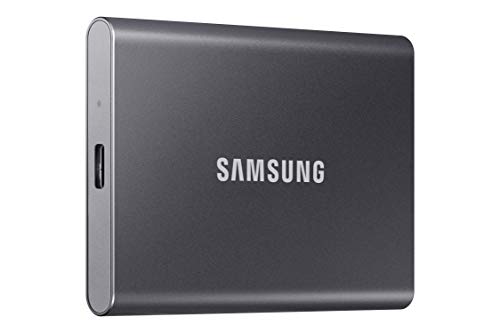
Samsung T7 Portable SSD
A compact external solid state drive offering fast direct-connection transfer speeds well beyond what most home internet upload speeds can match for large files.
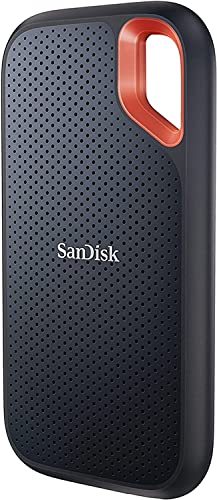
SanDisk Extreme Portable SSD
A rugged, drop-resistant portable SSD built for photographers and videographers who need reliable offline access to large media files in the field.
Questions worth asking
Can a portable SSD fail and lose all your data the same way a hard drive can?
Yes, any physical storage device including an SSD can fail or be damaged, which is why relying on it as your only copy of important files is risky without a separate backup.
Is editing video directly from cloud storage realistic for most people?
It is often slower and less reliable than editing from a local drive, since cloud sync introduces delays that editing software was not really designed to work around smoothly.
Do portable SSDs work without any internet connection at all?
Yes, that is one of their main advantages, since a portable SSD functions entirely through a direct physical connection and needs no internet access whatsoever.
Does a portable SSD wear out over time the way a traditional hard drive does?
SSDs have a finite number of write cycles per memory cell, but for typical personal use that limit takes many years of heavy use to approach, so normal use rarely causes noticeable wear within a realistic ownership period.
Is it safe to keep your only backup on a portable SSD stored in the same house as your computer?
Not ideally, since a single disaster like fire, flood or theft could affect both the computer and the drive at the same time, which is why many people pair a local drive with offsite cloud backup.
Why do portable SSDs transfer files so much faster than uploading to the cloud?
A direct cable connection to an SSD is not limited by your internet upload speed, which is usually far slower than your home network’s local data transfer capability.
Can you use a portable SSD and cloud storage together without conflicts?
Yes, many people use a portable SSD for active project work and fast local access, then back up or sync the finished files to the cloud afterward, which avoids most conflicts.
Do portable SSDs need to be formatted differently for Mac versus Windows?
Often yes, since the two systems use different default file systems, though many portable SSDs ship pre-formatted in a cross-compatible format or can be reformatted for whichever system you use most.
Is cloud storage actually more secure than a portable SSD against hacking?
Cloud storage providers generally invest heavily in security infrastructure, but a cloud account can still be compromised through weak passwords or phishing, so security depends as much on your own account practices as on the storage method.
How much storage does a typical portable SSD offer compared to common cloud storage plans?
Portable SSDs are commonly available in capacities ranging from a few hundred gigabytes up to several terabytes, which for larger capacities often exceeds what many standard consumer cloud storage plans include.
Can you share files from a portable SSD the way you can from cloud storage?
Not directly over the internet, since a portable SSD only shares files with whatever device it is physically plugged into, while cloud storage is built specifically around remote sharing and access links.
Does a portable SSD need to be plugged in constantly to work?
No, it only needs to be connected while you are actively transferring or accessing files, and it stores data safely while disconnected and powered off.
Why do photographers and videographers specifically rely on portable SSDs so much?
Their files are typically very large and they often work in locations without reliable internet, so fast, offline, direct-connection storage solves problems that cloud-only storage genuinely struggles with for that kind of work.
Is a portable SSD a good idea for someone who travels frequently without reliable internet access?
Yes, since it gives full access to your files regardless of WiFi availability, which is a meaningful advantage over cloud-only storage in places with spotty or expensive internet access.
Do portable SSDs lose data if left unused for a long time?
Flash storage can theoretically lose data retention after an extended period with no power at all, typically measured in years under normal conditions, so an SSD used and connected occasionally is not a meaningful risk.
Does switching entirely to a portable SSD save money compared to a long-term cloud subscription?
Over several years of heavy storage needs, a one-time drive purchase often ends up costing less in total than an equivalent ongoing cloud subscription, though cloud storage still offers offsite protection a drive alone does not.
Where this leaves you
A portable SSD is not a replacement for cloud storage and cloud storage is not a replacement for a portable SSD, they protect against different risks and solve different speed problems. If your work involves large files, travel without reliable internet, or you simply want a one-time cost instead of a recurring one, a portable SSD earns its place, ideally backed up to the cloud rather than standing in for it entirely.
Marcus Chen
Marcus covered consumer electronics for enthusiast tech publications for six years before joining ChoiceCrest. He specializes in translating manufacturer spec sheets into plain-language buying advice, with a focus on audio, computing accessories and smart-home gear.