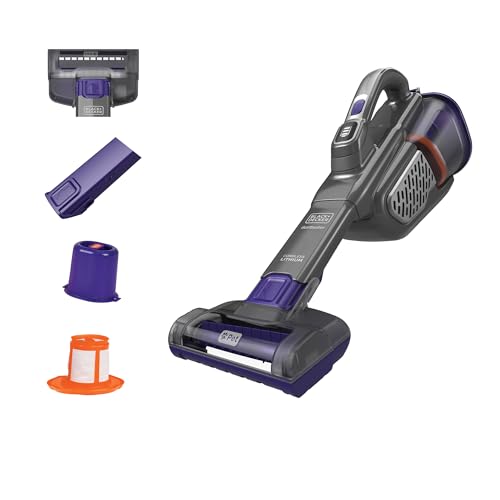
Is a Portable Car Vacuum Strong Enough for Pet Hair?
A good portable car vacuum can handle pet hair reasonably well, but success depends more on suction power combined with the right brush attachment than on size alone, since embedded pet hair in carpet or upholstery clings through static and fiber grip that plain suction often cannot fully release. A corded or higher-capacity cordless unit with a motorized or rubber-bristle brush head performs noticeably better than a basic handheld with just a nozzle.
Why pet hair behaves differently than dust or crumbs
Pet hair, especially from dogs and cats with fine undercoats, wraps around carpet fibers and clings through static electricity generated by friction with fabric. Loose debris lifts easily with airflow alone, but embedded hair often needs a brush or agitator to physically loosen it from the fibers before suction can actually pull it away.
Why suction power alone is not the full story
A vacuum can have strong suction measured in air watts or kilopascals and still struggle with ground-in pet hair if it lacks an attachment designed to agitate carpet fibers. This is why some surprisingly powerful handheld vacuums still leave hair behind on car seats, while a lower-power unit with the right rubber-bristle tool can outperform it on that specific task.
What attachment actually matters most
A rubber-bristle or silicone brush head is specifically effective against pet hair because the material grips and lifts hair through friction rather than just blowing air past it, a mechanism borrowed directly from household pet-hair vacuum design. A narrow crevice tool, by contrast, is built for tight gaps and does little for hair embedded across a wide seat or carpet area.
Why corded models often outperform cordless on this specific task
Corded car vacuums that plug into a wall outlet or are used with an inverter typically sustain higher and more consistent suction over a longer cleaning session than battery-powered handhelds, which can see suction taper as the battery depletes. For a thorough pet hair removal session covering an entire interior, that sustained power matters more than it does for a quick crumb cleanup.
Why dust cup capacity and filter type matter for pet owners specifically
Pet hair clogs standard filters faster than regular dust, and a small dust cup fills with hair surprisingly quickly, requiring frequent stops to empty and clean the filter mid-session. Vacuums marketed specifically toward pet hair pickup often include larger capacity bins and filters designed to resist this kind of clogging.
When a portable vacuum genuinely is not enough
Heavily matted pet hair worked deep into thick carpet over a long period, or hair accumulated from a long-haired breed over many months without regular cleaning, sometimes exceeds what any handheld can fully remove in one pass, and may benefit from a full-size vacuum with stronger suction or a professional detailing visit as a periodic deeper clean.
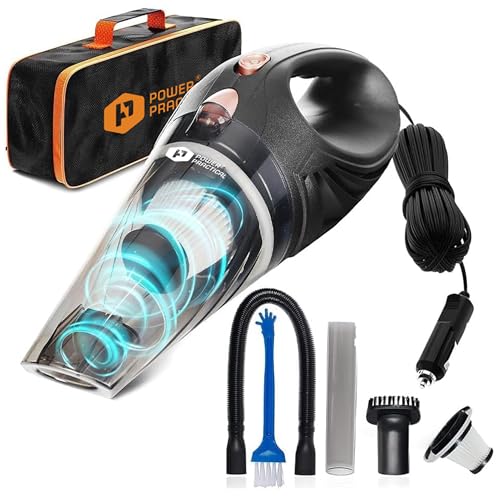
ThisWorx TWC-01 Car Vacuum
A compact corded 12-volt car vacuum frequently used for interior cleaning, including multiple nozzle attachments that help with both crevices and broader upholstery areas.

BISSELL AutoMate Handheld Vacuum
A cordless handheld vacuum marketed partly around pet hair pickup in vehicles, built with a brush-style attachment suited to loosening embedded hair from seats.
Frequently asked questions
Do I need a special attachment for pet hair in a car vacuum?
Yes, a rubber-bristle or motorized brush attachment makes a significant difference on embedded pet hair compared to relying on a plain suction nozzle alone.
Is cordless or corded better for pet hair in a car?
Corded units generally sustain stronger suction for longer sessions, which helps on a full pet-hair cleanup, though a higher-capacity cordless model can still do the job for smaller vehicles or shorter sessions.
Why does my vacuum lose suction quickly when cleaning pet hair?
Pet hair clogs filters and intake paths faster than regular debris, so suction can noticeably drop as the filter fills, which is why frequent filter checks and cleaning during a pet hair session help maintain performance.
Can a regular household vacuum work better than a dedicated car vacuum for pet hair in a car?
A full-size household vacuum with a pet hair attachment can sometimes outperform a small handheld on raw power, but maneuvering it inside a car’s tight spaces is harder, which is exactly the gap portable car vacuums are designed to fill.
Does wetting the seat help loosen embedded pet hair before vacuuming?
A light misting of water, or a rubber squeegee or glove rubbed over the fabric first, can help clump and loosen static-clung hair before vacuuming, often making the vacuum’s job noticeably easier afterward.
How often should pet hair be vacuumed from a car interior?
Weekly or biweekly cleaning for a car that regularly transports pets prevents hair from building up and becoming more deeply embedded, which is much easier than trying to remove months of accumulated hair in one session.
Does fabric type affect how hard pet hair is to remove?
Yes, looped or textured fabric upholstery tends to trap hair more aggressively than smooth leather or vinyl surfaces, which mostly just need a wipe or light vacuum pass since hair does not embed into them the same way.
Can a portable car vacuum handle both pet hair and liquid spills?
Most standard dry vacuums should not be used on wet spills, since moisture can damage the motor and filter, so a separate wet-dry shop vacuum or a specific wet-rated model is needed for liquid cleanup.
Do higher price car vacuums always handle pet hair better?
Not always. Price often reflects build quality, battery life, or brand reputation more than pet-hair-specific performance, so checking for the right brush attachment design matters more than price alone.
Is a HEPA filter important for pet hair cleanup?
A HEPA or similar fine filter helps capture pet dander and allergens along with the visible hair, which matters more for allergy-sensitive users than for hair removal performance itself.
Can lint rollers or tape work better than a vacuum for pet hair?
They can be effective for small, concentrated areas or finishing touches after vacuuming, but are impractical for cleaning an entire car interior compared to a vacuum with the right attachment.
Does battery life matter a lot for a full car pet hair cleanup?
Yes, a full interior detail session can take longer than expected once pet hair is involved, so a cordless vacuum with at least 15 to 20 minutes of strong runtime is more practical than one rated for only a few minutes.
Will a portable vacuum damage car upholstery if used too aggressively?
Using a standard brush attachment at normal settings is safe for most car upholstery, though delicate leather can sometimes be scratched by stiff bristle attachments, so checking the manufacturer’s care guidance for leather seats specifically is wise.
Can long dog hair clog the vacuum’s internal mechanism?
Yes, long hair can wrap around a brush roll or clog narrow intake passages over time, which is why periodically checking and clearing the brush head and hose of tangled hair keeps the vacuum performing consistently.
Is it worth buying a vacuum marketed specifically for pet hair over a general car vacuum?
If pet hair removal is a frequent, significant need, a model specifically designed with pet-oriented attachments and larger capacity filters is generally worth the difference compared to a general-purpose car vacuum that treats it as an afterthought.
Our take
Raw suction numbers matter less than most buyers assume. A portable vacuum with the right rubber-bristle attachment handles everyday pet hair fine, while truly matted or long-accumulated hair may still need a stronger full-size vacuum or a professional detail as an occasional backup.
Tony Russo
Tony trained as an automotive technician and spent years in service and parts retail before moving into writing. He focuses on garage tools, car care products and accessories from a hands-on maintenance perspective.