Is an Induction Cooktop Actually Faster Than Gas for Boiling Water?
Yes, induction cooktops generally boil water faster than gas burners of comparable power, often by a noticeable margin, because induction transfers energy directly into the pot through a magnetic field instead of heating air and the pot’s surface first. The speed advantage depends heavily on using a compatible pot, since induction’s efficiency gain disappears entirely with the wrong cookware.
Why induction transfers heat more directly than gas
A gas burner heats the surrounding air and the bottom surface of the pot, and a significant amount of that heat escapes around the sides of the pot into the kitchen rather than into the water. Induction instead creates a magnetic field that generates heat directly within the metal of the pot itself, so almost all the energy produced goes straight into heating the pot and its contents.
Why cookware compatibility is the deciding factor
Induction only works with pots and pans that contain enough ferrous, magnetically responsive material, typically cast iron or certain stainless steel, and a non compatible pot made of aluminum or copper without a magnetic base will not heat at all on an induction surface. This is the single most common reason someone concludes induction is slower or does not work, when the actual issue is cookware.
How much of a time difference this actually makes
For boiling a comparable amount of water, induction commonly cuts boil time by a noticeable margin compared to a similarly rated gas burner, mainly because of the efficiency gap rather than raw power output. The difference is most noticeable with smaller amounts of water and shrinks somewhat with very large pots, since there is more mass to heat regardless of method.
Where gas still has an advantage over induction
Gas offers more intuitive, instant visual feedback on flame size and is not dependent on specific cookware, which matters for anyone who already owns a mixed set of aluminum, copper, or glass cookware. Gas also continues working during a power outage, which induction cannot do since it is entirely electric.
Why induction feels different even when it is objectively faster
Induction cooktops do not heat the surrounding air the way a gas flame does, so a kitchen can feel less obviously working hard even though the water is heating faster, which sometimes leads people to underestimate how quickly induction is actually performing.
Why induction cooktops sometimes need a minimum pot size to activate at all
Most induction burners will not turn on unless a pot covering a meaningful portion of the coil is detected, a safety feature that prevents the magnetic field from activating with no cookware present, which occasionally confuses someone trying to heat a very small pot or a saucepan that does not fully cover the designated burner zone.
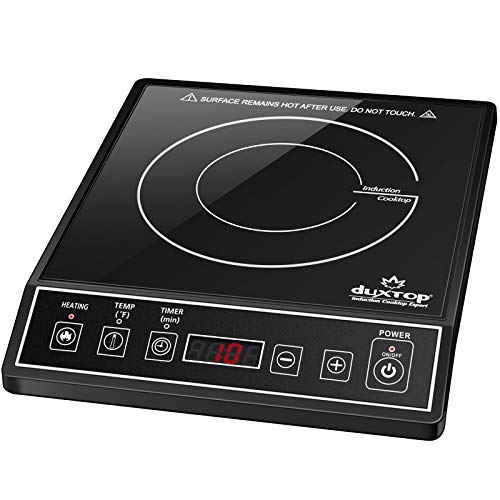
Duxtop 9100MC Portable Induction Cooktop
A countertop induction burner commonly used to supplement or test induction cooking without replacing a full gas range, popular for apartment kitchens.
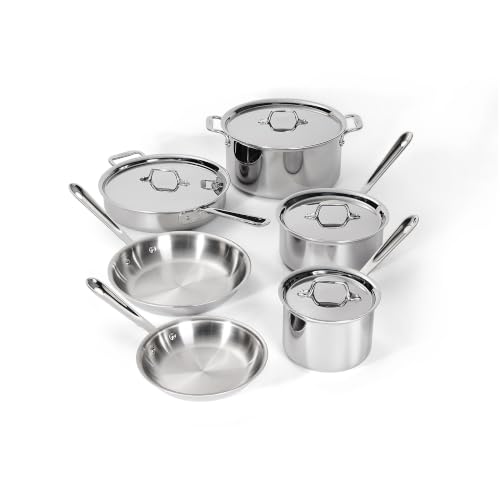
All-Clad D3 Stainless Cookware
A tri ply stainless steel cookware line with a magnetic stainless base, representative of the type of pot that performs well on induction without needing dedicated induction only cookware.
Frequently asked questions
Does induction use more electricity than gas uses in fuel to boil the same water?
No, induction is generally more energy efficient per unit of heat delivered into the pot, since gas loses more energy heating the surrounding air and cookware exterior instead of the water.
Why doesn’t my stainless steel pot work on my induction cooktop?
Not all stainless steel contains enough magnetic material; many stainless pots use a non magnetic grade or a non ferrous base layer, and only pots that a magnet actually sticks to will generate heat on an induction surface.
Can you tell if a pot works on induction without buying a special tag?
Yes, simply holding a refrigerator magnet to the bottom of the pot works; if the magnet grips firmly, the pot will almost certainly heat on induction.
Does altitude affect boiling speed differently on induction versus gas?
No, altitude affects the boiling point of water itself regardless of heat source, so both induction and gas reach a lower boiling temperature at high altitude in the same way.
Is induction cooking actually dangerous to touch while in use?
The cooktop surface itself stays relatively cool since the heat forms in the pot rather than the glass surface, though the pot itself gets just as hot as it would on gas, so normal cooking caution still applies.
Why does my induction cooktop click or hum during use?
That sound usually comes from the rapid electrical switching inside the induction coil or from the pot’s metal vibrating slightly in response to the magnetic field, and it is generally normal rather than a sign of malfunction.
Does a bigger pot always boil water faster on induction?
No, a pot wider than the induction coil’s active zone does not get full heating across its base, which can actually slow things down compared to a pot sized closer to the coil diameter.
Can induction cooktops run from a kitchen’s existing electrical outlet?
A portable single burner induction unit usually works on a standard outlet, but a built in multi burner induction range typically needs a dedicated higher amperage circuit similar to an electric oven.
Why do professional kitchens still use gas if induction is faster?
Many professional cooks value gas for visual flame feedback, compatibility with any pan including woks, and the ability to keep cooking during a power failure, even where induction offers a raw speed advantage.
Does induction heat up and cool down faster than gas when adjusting temperature?
Yes, induction typically responds to a temperature change almost instantly since it is directly controlling the magnetic field strength, while gas flame adjustment and the resulting pot temperature change lag slightly behind the knob.
Is it true induction cooktops are more dangerous around pacemakers?
Modern induction cooktops are generally considered safe for most pacemaker users at normal cooking distance, though people with cardiac devices are typically advised to confirm with their device manufacturer or doctor rather than assume safety.
Why does water sometimes boil unevenly on induction compared to gas?
Some entry level induction units concentrate their magnetic field in a smaller ring rather than the full base of the pot, which can create uneven heating patterns that a wider gas flame spreading under the whole pot does not produce.
Does induction cooking affect the taste of boiled food compared to gas?
No, boiling is boiling once water reaches 212 degrees Fahrenheit at sea level regardless of heat source, so there is no taste difference attributable to the cooktop type itself for something like boiled pasta or vegetables.
Can you use a kettle instead of a pot on induction for faster boiling?
Yes, an induction compatible kettle is typically even faster than an open pot for boiling water specifically, since its enclosed shape traps heat more efficiently than an open pot exposed to room air.
Does preheating an empty pot on induction waste more energy than on gas?
Induction cooktops typically include a safety shutoff that prevents sustained heating of an empty pot for long, so there is less risk of wasted energy or a scorched pan from an empty pot left on compared to a gas flame that will keep burning under an empty pot indefinitely. A built in induction range also typically needs a dedicated 240 volt circuit similar to an electric range, so a home wired only for gas may need an electrician before a full installation, though a portable single burner unit avoids this entirely.
Our take
Induction’s speed advantage is real and rooted in simple physics, not marketing, but it only shows up with the right cookware. Someone switching from gas without checking their pots for magnetic compatibility is the most common reason the promised speed gain does not show up in their own kitchen.
Dana Whitfield
Dana spent eight years buying and merchandising for a regional kitchenware retailer before moving into editorial work. She has handled thousands of SKUs across cookware, small appliances and kitchen organization, and focuses on the practical differences that matter once a product is actually in daily use.


