Is a Garage Shop Vac Strong Enough for Sawdust?
Most standard wet/dry shop vacs can handle sawdust just fine in terms of suction power, but fine dust from sanding or cutting MDF clogs a standard pleated filter far faster than coarse wood chips do, which is the real limitation people run into. The bigger concern with sawdust is often filter clogging and dust escaping back into the air rather than the vacuum lacking enough suction to pick it up.
Suction power is rarely the actual problem
A typical home shop vac in the 5 to 6 peak horsepower range generates more than enough airflow to lift sawdust, wood chips and sanding dust off a workshop floor. The complaints people have about shop vacs and sawdust almost never come down to insufficient suction, they come down to what happens to that dust once it is inside the machine.
Why fine dust clogs filters so fast
Standard pleated cartridge filters are designed to catch larger household debris, and fine sawdust particles, especially from sanding, pack tightly into the pleats within minutes of heavy use. Once a filter clogs, suction drops noticeably even though the motor is working just as hard, which is often mistaken for the vacuum being underpowered.
The fine dust bypass problem
Very fine sanding dust is small enough to pass straight through a standard filter and get pushed back out through the exhaust, filling the air of an enclosed garage with airborne particles. This is both a filter clogging issue and a health concern, since fine wood dust is something you do not want to breathe repeatedly.
What actually fixes the sawdust problem
A HEPA-rated filter captures the finest sanding dust that a standard filter lets through, and many woodworkers also add a cyclone separator lid, often called a dust deputy style attachment, between the tool and the vacuum so most of the sawdust never reaches the filter at all. Both upgrades matter far more than buying a higher-horsepower machine.
Dry shop vac bags versus running without one
Running a shop vac without the disposable collection bag lets dust coat the filter directly and makes cleanup messier, while using the correct dry-pickup bag catches most of the bulk material before it reaches the filter, extending the time between filter cleanings significantly.
When sawdust volume genuinely needs a bigger solution
For someone running a table saw or planer that produces a continuous high volume of chips and dust, a dedicated dust collector with a larger impeller and bigger bag capacity is a more appropriate tool than a shop vac, which is built more for cleanup and short bursts of use than continuous high-volume collection.
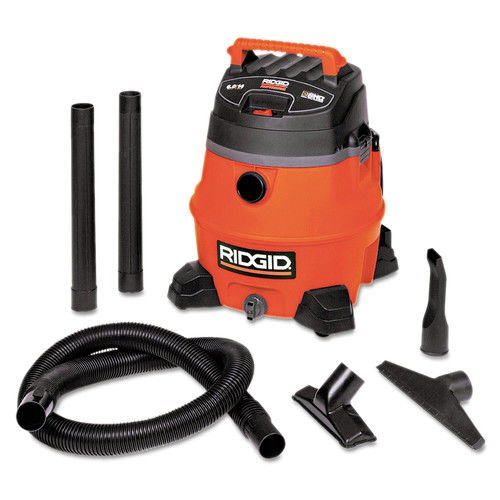
RIDGID 14-Gallon NXT Wet/Dry Vac
A common home workshop wet/dry vacuum with enough airflow for general sawdust and shop cleanup duty.
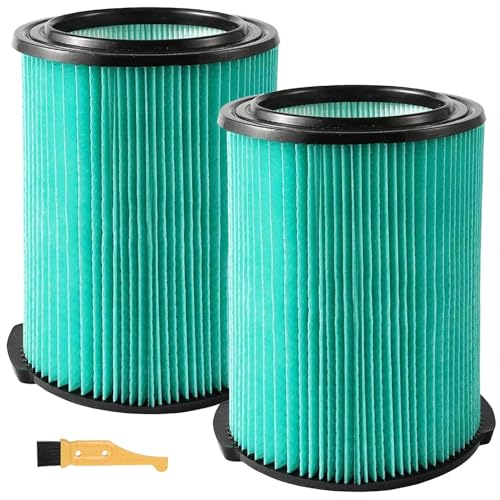
RIDGID VF6000 HEPA Filter
A HEPA-rated replacement filter made to fit RIDGID shop vacs, aimed at capturing fine dust that a standard filter lets through.
Questions worth asking
Does a shop vac lose suction specifically because of sawdust?
Not from the dust itself clogging the motor, but a clogged filter caused by fine dust does reduce airflow and makes it feel like the vacuum has lost power.
Can you vacuum sawdust without a filter at all?
You technically can, but doing so lets fine dust blow straight through the motor housing and back into the air, which defeats the purpose and can also introduce dust into the motor compartment over time.
Is HEPA filtration necessary for occasional sawdust cleanup?
For occasional light cleanup, a standard filter is usually fine, but anyone sanding regularly or working with MDF, which produces especially fine dust, benefits noticeably from a HEPA-rated filter.
Why does my shop vac blow dust out the exhaust instead of trapping it?
This usually means dust particles are small enough to pass through the gaps in a standard filter, which is common with fine sanding dust and is solved by upgrading to a finer-rated filter.
Can wet sawdust clog a shop vac differently than dry sawdust?
Yes, wet sawdust tends to clump and can cling to the inside of the hose or filter rather than flowing freely, sometimes requiring more frequent emptying than dry dust of the same volume.
Do cyclone separator attachments actually reduce filter clogging?
Yes, a cyclone lid spins incoming debris so the bulk of it drops into a separate bucket before ever reaching the vacuum’s own filter, which can dramatically extend the time between filter cleanings.
Is it safe to vacuum sawdust mixed with metal shavings from the same garage?
It is generally fine for occasional light mixing, though metal shavings can be abrasive to hoses and filters over time, so keeping the two separated when possible extends equipment life.
How often should the filter be cleaned when vacuuming sawdust regularly?
Someone sanding or cutting wood frequently may need to tap out or clean the filter every single use, compared to a household vacuum filter that might go weeks between cleanings.
Can a shop vac handle fine MDF dust without a filter upgrade?
It can physically pick it up, but MDF dust is fine enough to clog a standard filter unusually fast and to pass through small gaps, making a HEPA filter a worthwhile upgrade specifically for MDF work.
Does a bigger horsepower shop vac help more with sawdust than a smaller one?
Not as much as people assume, since filtration quality matters more than raw horsepower once suction is already sufficient to lift sawdust off a surface.
Is it bad to let a shop vac run continuously while sanding?
Running continuously is fine mechanically, but it accelerates filter clogging with fine dust, so pausing occasionally to check or clean the filter keeps suction consistent during a long sanding session.
Can sawdust damage the motor of a shop vac over time?
Direct motor damage is uncommon since the filter sits between the debris and the motor, but a motor that runs hot for long periods trying to pull air through a clogged filter can shorten its lifespan.
Do disposable collection bags help specifically with sawdust?
Yes, a dry-pickup bag captures the bulk of sawdust before it reaches the filter, which both keeps the filter cleaner longer and makes emptying the vacuum far less messy.
Is a shop vac a reasonable substitute for a dust collector on a table saw?
For light, occasional cuts it can work as a basic hookup, but a dedicated dust collector handles the continuous higher volume of a table saw far more effectively over a full project.
Why does sawdust sometimes smell different coming out of a shop vac?
A faint burning smell can mean the motor is working harder than normal to pull air through a clogged filter, which is worth addressing before it causes overheating.
Can static electricity from sawdust in a shop vac hose cause sparks?
It can, especially in dry conditions and plastic hoses, and some woodworkers ground their dust collection hoses specifically to reduce this static buildup around flammable dust.
Does emptying the canister more often reduce how often the filter needs cleaning?
Somewhat, since a fuller canister pushes more dust up against the filter during use, so emptying it before it gets completely full can noticeably extend time between filter cleanings.
Can a shop vac be used to collect sawdust directly from a handheld sander?
Yes, many sanders have a dust port sized to connect directly to a shop vac hose or an adapter, which captures dust at the source before it ever settles on the workbench or floor, and this single change often does more for air quality than any filter upgrade.
Our take
A standard shop vac has plenty of raw suction for sawdust, the real question is whether its filter can keep up with how fine that dust actually is. Spending a little on a HEPA filter or a cyclone separator solves the clogging and dust-escape problems far more effectively than buying a vacuum with a bigger motor.
Tony Russo
Tony trained as an automotive technician and spent years in service and parts retail before moving into writing. He focuses on garage tools, car care products and accessories from a hands-on maintenance perspective.