Is an Electric Leaf Blower Strong Enough for Wet Leaves?
A mid to high powered electric leaf blower can move lightly damp leaves well enough for everyday use, but soaked, matted leaves are genuinely difficult for almost any blower, gas included, since the problem is weight and ground friction more than motor power. Corded electric models are usually the weakest option here, while higher output battery blowers with brushless motors come closer to gas performance and handle damp leaf piles noticeably better.
What actually decides whether a blower can move wet leaves
Two numbers matter more than the power source: CFM, which is the volume of air the blower moves, and MPH, which is how fast that air travels. Wet leaves are heavier and tend to mat flat against the ground, so a blower needs enough combined airflow and velocity to break that contact with the grass before it can push the pile anywhere, which is a higher bar than dry leaves that lift and scatter easily.
Electric versus gas in practice
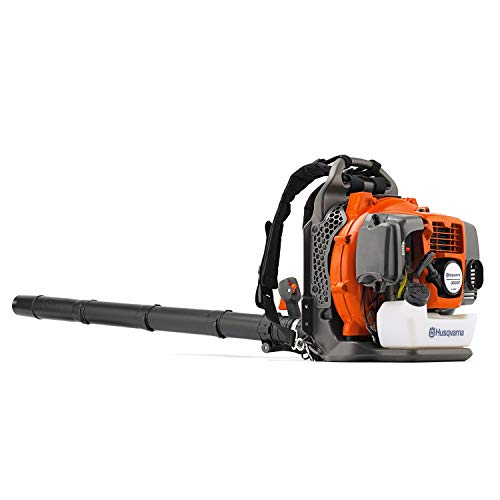
Gas backpack and handheld blowers generally produce higher peak CFM and MPH than most consumer electric models, which is why landscapers doing large wet-leaf cleanups still reach for gas equipment first. That said, the gap has narrowed a lot in recent years, and several higher-end battery blowers now overlap with mid-range gas units on both numbers, which is the real reason some electric blowers handle damp leaves fine while others clearly don’t.
Corded versus battery electric blowers
Corded electric blowers tend to sit at the lower end of the power range because they’re priced and built for light, everyday yard cleanup rather than heavy seasonal work, and that lower output shows up exactly when leaves are wet and matted. Battery blowers vary much more by model, with budget units performing similarly to corded ones and premium brushless battery blowers reaching power levels close to a gas unit, just for a shorter runtime per battery charge.
Why wet leaves are hard for any blower, not just electric ones
A soaked, matted layer of leaves behaves more like a wet carpet than loose debris, since surface tension and weight hold it against the ground. Even a strong gas blower can struggle to fully lift a thick, saturated mat, which is why professional crews often rake or use a tarp to physically gather heavy wet leaves rather than relying on airflow alone.
What actually works better than pushing harder
For genuinely soaked, matted leaves, raking or using a leaf blower’s vacuum/mulch function, if it has one, to pull leaves up rather than push them, tends to outperform even a powerful blower trying to move the pile across the lawn. Waiting a day for leaves to dry partially before blowing is also a practical fix many people overlook, since even light damp conditions change performance significantly less than a fully soaked pile does.
Where brushless motor technology actually changes things
Brushless motors are more efficient than older brushed motors at converting battery power into airflow, which lets newer battery blowers close much of the gap with gas on both CFM and MPH without a dramatic weight or runtime penalty. This is the main reason a leaf blower bought in the last couple of years performs noticeably better on wet leaves than an older electric model with similar-looking specs on paper.

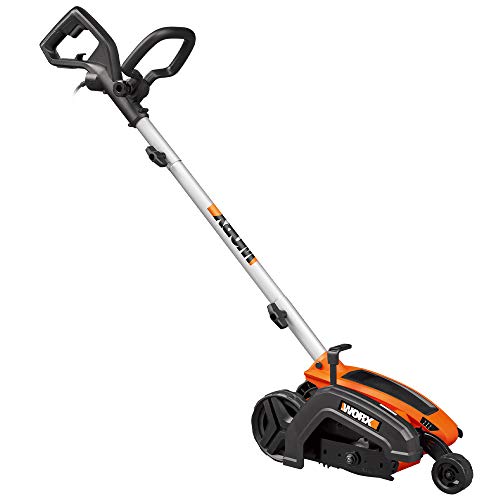
Worx WG520 Electric Blower/Sweeper
A lightweight corded electric blower built for routine dry leaf and debris cleanup rather than heavy wet leaf volume.

EGO Power+ LB6504 Cordless Leaf Blower
A brushless-motor battery blower with output closer to gas-powered units, built to handle heavier and damper leaf piles than typical corded models.
Questions worth asking
Why does my electric leaf blower seem useless on wet leaves?
It’s likely a lower CFM and MPH model built mainly for dry debris. Soaked, matted leaves need more combined airflow and velocity to break free from the ground than light dry leaves do.
Do gas leaf blowers really outperform electric ones on wet leaves?
Generally yes for raw power, especially backpack gas units, though the gap narrows significantly against higher-end brushless battery blowers.
Is CFM or MPH more important for moving wet leaves?
Both matter together; MPH alone doesn’t move much volume, and CFM alone doesn’t have enough force to break a wet leaf mat free from the lawn.
Can a battery leaf blower run long enough to clear a yard full of wet leaves?
Runtime is usually the bigger limiter than power on battery units, so having a spare battery or two matters more for wet-leaf jobs that take longer than dry cleanup.
Should I wait for leaves to dry before using an electric blower?
If possible, yes, even a few hours of drying time makes leaves significantly easier to move and reduces strain on a lower-powered blower.
Do leaf blower vacuum attachments work better than blowing for wet leaves?
Often yes, since pulling matted wet leaves up into a bag avoids the problem of trying to push a heavy, ground-hugging pile across grass.
Is a corded or battery electric blower better for occasional wet leaf cleanup?
A higher-output battery blower is usually the better choice, since corded models tend to sit at the lower end of the power range most manufacturers offer.
Why do leaf blower specs vary so much between brands at a similar price?
Motor design, brushless versus brushed technology, and fan blade engineering all affect how efficiently a given motor size converts power into usable airflow.
Can an electric leaf blower damage mulch beds by blowing wet debris around?
Wet mulch and debris generally move less than dry material, so this is a smaller risk than scattering dry mulch, though high-power settings close to beds can still disturb it.
Does cold, wet weather affect battery leaf blower performance?
Cold temperatures reduce battery output and runtime somewhat, which compounds the extra effort wet leaves already demand.
Is it worth buying a gas blower just for a few wet leaf days per year?
For most homeowners, no, since a higher-output battery blower combined with raking for the worst piles covers the occasional heavy wet day without the extra maintenance of gas equipment.
Do higher CFM electric blowers use more battery per minute?
Yes, running at the highest power setting draws down a battery faster, which is a real tradeoff on days when leaves need maximum airflow to move at all.
Why do some electric blowers feel underpowered compared to their listed CFM?
CFM is usually measured at the nozzle under ideal conditions, and real-world airflow drops once the blower is angled downward or working against a flat, matted pile.
Can I use an electric leaf blower right after rain stops?
You can, but leaves are at their heaviest and most matted right after rain, so this is the hardest timing for any blower; waiting even a short while improves results.
Is a handheld or backpack electric blower better for wet leaf conditions?
Backpack electric models generally have larger motors and higher output than handheld units, making them a better fit for heavier wet leaf volume if you’re buying specifically for that.
Does leaf type change how hard wet leaves are to blow?
Yes, broad, flat leaves like maple mat down and trap water more than narrow leaves, so the same blower can struggle more with a wet maple pile than a wet pile of smaller leaves.
Can attaching a different nozzle shape improve an electric blower’s performance on wet leaves?
A narrower nozzle increases air velocity at the expense of total airflow volume, which can help break a light wet mat loose, though a heavily soaked pile still benefits more from raking than from switching nozzle attachments.
Where this leaves you
The honest answer is that power source matters less than raw airflow numbers and how soaked the leaves actually are. A strong, brushless battery blower handles damp leaves fine, but once leaves are fully matted and waterlogged, raking or a vacuum attachment will outperform pushing harder with any blower, electric or gas.
Sierra Daniels
Sierra's background is in landscape design and nursery retail. She focuses on lawn and garden equipment, outdoor furniture and gear durability, weighing published specs against how materials actually hold up outside.