Is a Base Layer Top Necessary Under a Ski Jacket?
Yes, a base layer top is almost always necessary under a ski jacket. Ski jackets are designed as shells that block wind and snow but provide little insulation on their own. A base layer manages moisture next to your skin and traps a thin layer of warmth, which is what keeps you comfortable on the mountain. Skipping it usually leads to a cold, clammy feeling once you start sweating or stop moving.
What a ski jacket actually does
A ski jacket is primarily a weather shield. Its job is to stop wind and snow from reaching your body while letting some moisture vapor escape. Most ski jackets have a waterproof and breathable membrane plus a thin lining, but very little trapped air space. Without a layer underneath, there is nothing to hold warmth close to your skin, and the jacket’s cold inner surface can feel uncomfortable against bare skin.
Why the base layer matters more than the jacket
The base layer is the only piece in your ski clothing system that touches your skin directly. Its main job is to move sweat away from your body so it can evaporate through the jacket. Cotton holds moisture and stays wet, which pulls heat away from you fast. Merino wool and synthetic fabrics like polyester move moisture efficiently and dry quickly, which is why they are the standard recommendation for ski base layers. A good base layer can make a mid-range jacket feel much warmer, while a cotton t-shirt under a premium jacket will leave you cold.
When you might skip a base layer
There are a few situations where a base layer top is not strictly necessary. On very warm spring ski days, some skiers wear just a thin synthetic t-shirt or a lightweight long-sleeve under a shell. If your ski jacket has a built-in insulated liner or is a heavily insulated model, you might get away with a light t-shirt underneath, though a proper base layer still manages sweat better. Some people also run hot and prefer fewer layers, but even then, a lightweight base layer is usually more comfortable than bare skin against a jacket lining.
What to wear instead if you skip it
If you decide to go without a dedicated base layer, choose a synthetic athletic t-shirt or a thin merino wool tee rather than cotton. These fabrics still wick moisture and dry fast, so you get some of the benefit without the extra warmth of a full base layer. Avoid cotton entirely, since it absorbs sweat and loses insulation when wet.
How the layering system works together
Ski clothing is usually built as a three-layer system: base layer, mid layer, and shell. The base layer manages moisture, the mid layer (like a fleece or lightweight puffy) provides insulation, and the shell blocks weather. The base layer is the foundation, and skipping it throws off the whole system. Without it, the mid layer has to absorb sweat directly, which reduces its insulating ability and makes it harder to regulate temperature as you move between skiing and riding the lift.
Does the type of base layer matter for skiing?
Yes, weight and fabric matter. Lightweight base layers are best for high-output activities or warmer days, while midweight or expedition-weight base layers suit cold conditions or people who chill easily. Merino wool offers natural odor resistance and softness, while synthetics dry faster and cost less. The fit should be snug but not tight, so the fabric can move moisture effectively.

Smartwool Merino 250 Base Layer Crew
A midweight merino wool crewneck that provides warmth and moisture management for cold ski days.
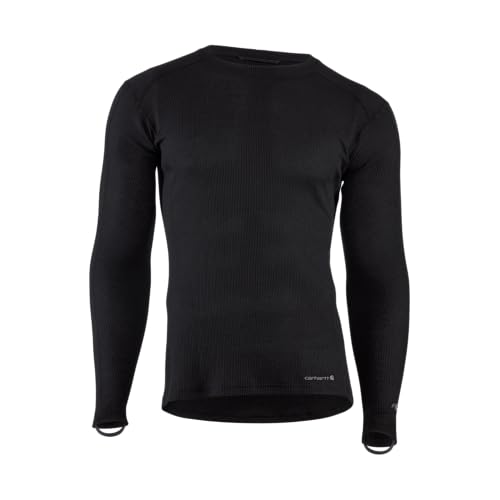
Patagonia Capilene Midweight Crew
A synthetic base layer with a brushed interior that wicks moisture and dries quickly, suitable for active skiing.
Good to know
Can I wear a regular t-shirt under my ski jacket?
You can, but cotton t-shirts are a poor choice because they hold sweat and lose insulation when wet. A synthetic athletic shirt is a better substitute if you do not have a dedicated base layer.
Is a base layer necessary if my ski jacket is insulated?
Even with an insulated jacket, a base layer helps manage moisture and adds a small amount of warmth. On mild days you might skip it, but for most conditions a lightweight base layer improves comfort.
What is the best fabric for a ski base layer?
Merino wool and synthetic fabrics like polyester are the best choices because they wick moisture and dry quickly. Merino is softer and odor-resistant, while synthetics are more durable and affordable.
How many base layers should I wear under a ski jacket?
Usually just one. Wearing multiple base layers can trap too much moisture and restrict movement. Adjust warmth with your mid layer instead.
Do I need a base layer if I run hot?
Yes, but choose a lightweight version. A thin base layer still moves sweat away from your skin, which helps you stay comfortable even if you generate a lot of heat.
Can I ski in just a base layer and jacket?
On warmer days, yes. Many skiers wear only a base layer and shell when temperatures are mild. On colder days, add a mid layer for insulation.
Why does cotton make you cold when skiing?
Cotton absorbs moisture and holds it against your skin. As sweat evaporates, it pulls heat away from your body, and wet cotton loses its insulating ability, leaving you chilled.
Should a base layer be tight or loose?
It should be snug but not restrictive, like a second skin. A close fit allows the fabric to wick moisture efficiently, while a loose fit can cause bunching and reduce moisture transfer.
Can I use a compression shirt as a ski base layer?
Yes, many compression shirts are made of synthetic fabrics that wick moisture and work well as base layers, though they may not provide as much warmth as a dedicated ski base layer.
Do I need a base layer for spring skiing?
In spring, you can often get away with a lightweight synthetic t-shirt or a very thin base layer. The main goal is still moisture management, so avoid cotton.
What is the difference between a base layer and a mid layer?
A base layer sits against your skin and manages moisture. A mid layer goes over the base layer and provides insulation, like a fleece or lightweight down jacket.
Can I wear a base layer more than once before washing?
Merino wool base layers can often be worn a couple of times between washes because they resist odor. Synthetic base layers tend to hold odor more, so wash them after each use.
Are base layers with a hood better for skiing?
A hood can add warmth around your neck and head, but it may interfere with your helmet or goggles. Many skiers prefer a crewneck or a zip-neck base layer for versatility.
Do kids need a base layer under their ski jacket?
Yes, children benefit from a base layer just like adults. Choose a synthetic or merino base layer to keep them dry and warm, and avoid cotton.
Can I wear a base layer under a fleece instead of a ski jacket?
Yes, a base layer under a fleece works for mild weather or active pursuits, but a fleece alone is not windproof or waterproof, so it is not a substitute for a ski jacket in snowy conditions.
How do I know if my base layer is working?
If you feel dry and comfortable after a run, your base layer is doing its job. If you feel clammy or cold, the fabric may not be wicking properly or may be too heavy for the conditions.
Is a base layer necessary for snowboarding too?
Yes, the same principles apply. Snowboarders also benefit from a moisture-wicking base layer under their jacket.
What should I look for in a ski base layer?
Look for moisture-wicking fabric (merino wool or synthetic), a snug fit, flatlock seams to avoid chafing, and a weight appropriate for the temperature.
Can I wear a base layer with a built-in bra for skiing?
Yes, many base layers come with built-in bras, which can reduce layering bulk and improve comfort. Just make sure the fit is supportive and does not restrict movement.
Our take
A base layer top is not just an optional extra; it is the foundation of a comfortable ski layering system. Unless you are skiing in very mild conditions or wearing a heavily insulated jacket, plan to wear a moisture-wicking base layer. It will keep you drier, warmer, and more comfortable on the mountain.
Priya Nathan
Priya spent years in apparel buying and merchandising for a multi-brand retailer before moving into editorial work. She focuses on fit, fabric and construction quality across everyday wear, activewear and accessories, reading past marketing copy to the details that affect how a garment actually wears and holds up.


