Can You Wash a Car Without Scratching the Paint?
Most wash scratches come from dragging dirt across paint, not from the shampoo. Rinse thoroughly first, pre soak to loosen grit, use a soft mitt with plenty of lubrication, wash top to bottom in straight lines, and rinse your mitt often. Dry gently and the finish stays swirl free.
Almost every swirl mark and light scratch on a daily driver was put there during washing, not on the road. The paint itself is tougher than people think, but wiping trapped grit across it acts like fine sandpaper. The good news is that a scratch free wash is mostly about method and a few soft tools, not expensive products.
Here is the approach that keeps paint glossy, written for a normal driveway rather than a detailing studio. Follow the order and you avoid nearly every common cause of marring.
Why cars get scratched during a wash
Scratches during a wash come from one thing above all: hard particles being pressed and dragged across a soft clear coat. Road film, brake dust, and sand sit on the surface, and a dry cloth or a cheap sponge simply grinds them in. Old fashioned sponges are the worst offenders because their flat cells trap grit against the paint instead of pulling it away from it.
Heat and dry panels make it worse, since water evaporates before it can float dirt off. Wash in shade on cool paint whenever you can. Understanding this one principle, keep grit lifted and lubricated, explains every step that follows.
Rinse and pre soak before you touch the paint
The safest wash barely touches the car at first. Begin with a strong rinse from top to bottom to knock off loose dust and cool the panels. A pressure rinse reaches into badges, mirror gaps, and lower trim where grit hides.
Next, lay down a foam pre soak so the shampoo can dwell and soften bonded dirt before any contact. A thick foam clings to vertical panels and does real work while you set up your buckets. If you want to see how much easier this makes things, our roundup of the best foam cannons covers the sprayers that produce the clinging foam that actually helps. The less dirt left on the paint before contact, the fewer particles your mitt has to deal with.
Use a soft mitt and plenty of lubrication
Your wash media matters more than your shampoo. A deep pile microfiber or lambswool mitt has long fibres that pull grit up and away from the surface, holding it deep in the pile until you rinse it out. That is the whole trick, and it is why a good mitt is the single best anti scratch upgrade you can make. We compare the safest options in our guide to the best car wash mitts.
Pair the mitt with a generous, slick shampoo so the fibres glide rather than scrub. Never wash a panel that has gone dry, and never reach for a household sponge or a brush on paint. If you drop the mitt on the ground, rinse it fully or swap it, because embedded gravel will scratch every panel you touch afterwards.
Wash top to bottom in straight lines
Technique turns good tools into a safe result. Work one panel at a time, starting at the roof and moving down, because the lower body and bumpers hold the most grit and you do not want that dirt migrating upward.
- Move the mitt in straight overlapping passes, front to back, not in circles. Straight lines make any stray mark far less visible than a circular swirl.
- Use light pressure and let the pile do the work. Pressing harder only grinds particles in.
- Rinse the mitt in clean water after every panel or two to release trapped grit.
- Save the filthiest areas, sills, lower doors, and wheels, for last, ideally with a separate mitt.
Keeping the mitt clean between passes is the habit that separates a swirl free finish from a hazy one.
The two bucket method keeps grit away from paint
The reason to rinse your mitt so often is simple: dirty wash water reloads the mitt with the very grit you just removed. The classic fix is to wash from one bucket and rinse the mitt in a second, so contaminated water never touches your clean shampoo. It is the highest impact habit in the whole process, and we break it down step by step in our guide to the two bucket car wash method.
Drop in grit guards at the bottom of each bucket and the loosened dirt settles below where your mitt cannot pick it up again. Once this becomes routine, safe washing stops feeling like a chore and just becomes how you do it.
Rinse, dry, and protect without marring
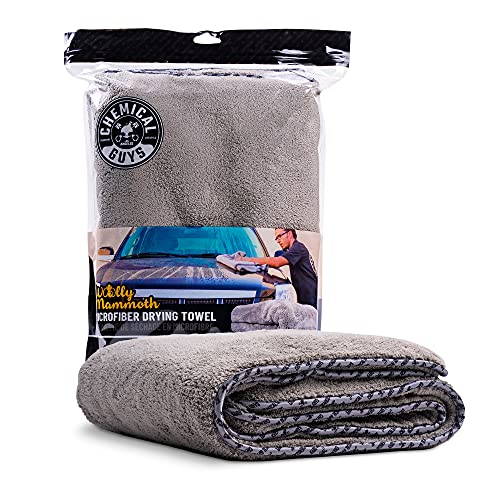
The final rinse and the dry are where a careful wash is often undone. Rinse the shampoo off completely so nothing dries on the paint, then dry with a soft, plush microfiber drying towel using a gentle blotting or dragging motion rather than a scrubbing one. A dry car is easy to scratch, so the same, keep it lubricated and gentle, rule applies. Our guide on drying a car without water spots walks through the safest way to finish.
Once the paint is clean and dry, a coat of wax or sealant adds a slick layer that makes the next wash safer still, because dirt releases more easily. You can explore the rest of your kit in our Auto & Garage guides.
Ready to protect your paint?
The right mitt is the single biggest step toward a swirl free wash. See the plush, grit lifting options we recommend.
Frequently asked questions
What causes swirl marks when washing a car?
Swirl marks are thousands of tiny scratches caused by dragging grit across the clear coat. Sponges, dirty water, dry panels, and circular scrubbing all press particles into the paint. Lifting dirt with a plush mitt and plenty of lubrication is what prevents them.
Is a microfiber mitt better than a sponge?
Yes, by a wide margin. A sponge traps grit flat against the paint, while a deep pile microfiber or lambswool mitt pulls dirt up into its fibres and away from the surface. Switching from a sponge to a good mitt is the easiest anti scratch upgrade.
Do I really need two buckets?
You do not strictly need two, but it is the most effective habit for avoiding scratches. Rinsing your mitt in a separate bucket keeps grit out of your clean shampoo, so you are not reloading the mitt with the dirt you just removed on every pass.
Should I wash the car in the sun?
Try not to. Direct sun heats the panels, dries shampoo and water quickly, and leaves spots while also making the paint easier to mar. Wash in shade on cool paint, and work one panel at a time so nothing dries before you rinse it.
Does the shampoo brand matter for scratching?
Less than the method. Any well formulated car shampoo provides enough lubrication if you use plenty of it and never let a panel dry. Technique, a clean mitt, rinsing often, and washing top to bottom, protects paint far more than the specific brand.
How do I wash the dirty lower panels and wheels safely?
Save them for last and use a separate mitt or brush kept only for those areas. The lower body, sills, and wheels hold the most abrasive grit, so keeping that dirt away from your main paint mitt stops it spreading fine scratches everywhere.
Tony Russo
Tony trained as an automotive technician and spent years in service and parts retail before moving into writing. He focuses on garage tools, car care products and accessories from a hands-on maintenance perspective.