How Does a Pool Skimmer Keep Debris Out Without Constant Manual Cleaning?
A pool skimmer works by pulling a thin layer of surface water, along with whatever is floating on it, into a basket before that water ever reaches the pump or filter. The constant flow created by the pump is what does the automatic part, not any special suction trick at the skimmer itself, which is why a skimmer only catches floating debris and does nothing for anything that has already sunk.
The basic flow that makes skimming automatic
A built-in pool skimmer sits at the water’s surface and is connected by plumbing to the pump. As the pump runs, it creates continuous suction that draws surface water, and anything floating in it, through the skimmer’s weir door and into a removable basket. This happens as long as the pump is running, which is why skimming is described as passive or automatic: no one has to manually sweep the surface for it to work, the circulation system is doing it in the background.
What the weir door is actually for
The flap at the mouth of the skimmer, called the weir door, is a one way gate that lets water flow in but prevents debris that has been caught from floating back out when the pump cycles off. It also helps maintain a consistent water level at the skimmer opening even as the pool’s actual water level fluctuates slightly, which keeps the skimming action consistent rather than only working when the water happens to be at exactly the right height.
Why a skimmer only catches floating debris, not sunk debris
Leaves, bugs, and light pollen float, so they get pulled into the surface flow toward the skimmer. Sand, dirt, and heavier debris sink before they ever reach the skimmer’s suction zone, which is why a pool can have a sparkling clear surface from skimming alone while still building up sediment on the floor that needs a separate pool vacuum or robotic cleaner to remove.
Why the skimmer basket needs regular emptying to keep working
The basket inside the skimmer catches debris before it reaches the pump, protecting the pump impeller from clogs or damage. If the basket fills up, water flow through the skimmer slows or stops, which reduces how much surface debris actually gets pulled in even though the pump is still running, so an overflowing basket quietly undermines the entire automatic skimming effect without any obvious warning sign.
How wind and pool shape affect how well skimming actually works
Skimmers rely partly on surface currents pushing debris toward them, and wind direction, pool shape, and the number of skimmers installed all affect how evenly that happens. A pool with only one skimmer on the wrong side can leave debris stranded on the opposite end for hours, which is why many in-ground pools use two or more skimmers positioned to cover different wind patterns.
How a standalone or floating skimmer differs from a built-in one
Above ground pools and some in-ground setups use a separate floating or clip-on skimmer attached to the pump intake rather than a plumbed wall skimmer. These work on the same basic principle, pulling surface water and debris toward a basket using the pump’s suction, but they are more exposed to being knocked off position by swimmers or wind than a fixed, plumbed skimmer is.
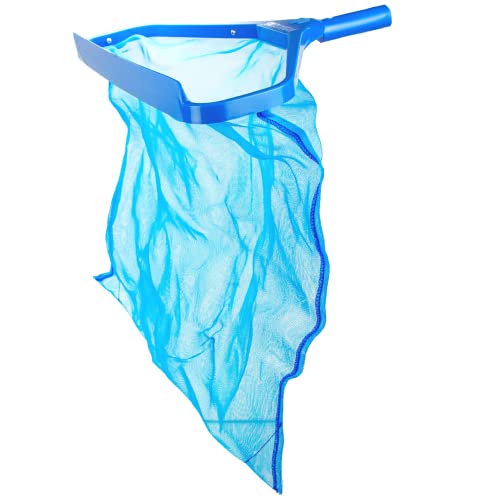
Hydrotools by Swimline Heavy Duty Leaf Skimmer Net
A long handled net many pool owners keep on hand for debris a built-in skimmer basket cannot reach fast enough, such as a sudden leaf drop after a storm.
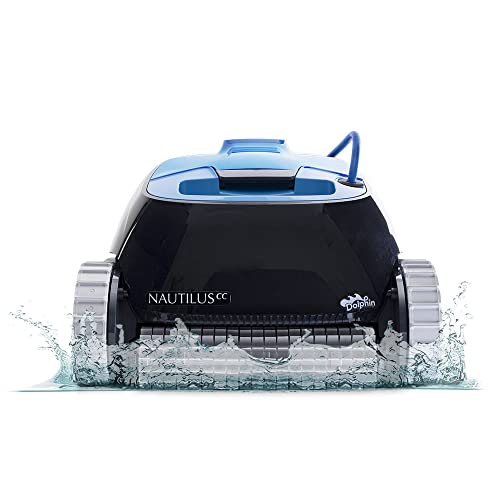
Dolphin Nautilus CC1 Robotic Pool Cleaner
A robotic cleaner that handles the sediment and fine debris that sinks past what any surface skimmer can catch, covering floor and walls on its own cycle.
Frequently asked questions
Does a pool skimmer run all the time or only sometimes?
It runs whenever the pump is running, which on most residential pools is for a set number of hours per day on a timer rather than continuously, so skimming only happens during those active circulation hours.
Can a pool have too many skimmers?
Not really, since each skimmer is tied into the same circulation system and more skimmers generally improve surface coverage, though very small pools rarely need more than one or two to keep the surface clear.
Why does debris collect on one side of the pool instead of near the skimmer?
Wind pushes floating debris in a consistent direction, and if the skimmer sits on the upwind side rather than downwind, debris can pile up on the far wall instead of drifting toward the skimmer, which is a layout issue more than a skimmer malfunction.
How often should a skimmer basket actually be emptied?
During heavy leaf drop or after a storm, checking it every day or two is reasonable, while in calmer weeks once or twice a week is usually enough to keep flow from slowing down.
Does a skimmer help with algae or just floating debris?
A skimmer does nothing directly for algae, since algae grows in the water and on surfaces rather than floating as removable debris, though good circulation from the same pump system does help distribute sanitizer that keeps algae from taking hold.
Can a clogged skimmer basket damage the pump?
A fully clogged basket can starve the pump of water flow, and running a pump without adequate water flow for extended periods can overheat or damage the motor, so an overflowing basket is more than just a cosmetic issue.
Do above ground pool skimmers work as well as built-in wall skimmers?
They work on the same suction principle but are more exposed to being bumped out of position by swimmers or wind since they usually float or clip onto the pool wall rather than being permanently plumbed in.
What happens if the water level drops below the skimmer opening?
The skimmer starts pulling in air instead of water, which can cause the pump to run dry or lose prime, so maintaining water level at or near the middle of the skimmer opening is important for consistent skimming.
Is a skimmer sock or extra basket liner actually useful?
Yes, for pools with fine debris like pollen or small leaf fragments, a mesh sock inside the basket catches particles that would otherwise pass through the basket’s holes and reach the filter instead.
Can a skimmer be the only form of pool cleaning someone needs?
No, a skimmer only addresses what floats on the surface, so sediment, algae on walls, and anything that sinks still require brushing, vacuuming, or a separate automatic pool cleaner.
Why does a skimmer sometimes stop pulling in debris even when it’s running?
The most common cause is a full basket restricting flow, followed by a clogged impeller or a weir door stuck shut, any of which quietly reduces skimming even though the pump sounds like it is working normally.
Do skimmers work the same in saltwater pools as chlorine pools?
Yes, the skimming mechanism is purely mechanical and unrelated to sanitizer type, so saltwater and traditional chlorine pools skim identically.
Can wind actually be used to improve how well a skimmer works?
Yes, some pool builders position skimmers based on prevailing wind direction specifically so natural surface currents push debris toward the skimmer instead of away from it.
Is it normal for the weir door to stick or not swing properly?
Over time sun exposure can make the plastic weir door brittle or warped so it sticks open or closed, and a stuck door is a common, inexpensive part to replace rather than a sign of a bigger problem.
Where this leaves you
A skimmer earns its reputation as the lowest effort part of pool upkeep because the pump is doing the actual work, not the skimmer itself, but that automation only covers what floats. Anyone expecting a clean pool floor from skimming alone is asking a surface tool to do a job it was never built for.
Sierra Daniels
Sierra's background is in landscape design and nursery retail. She focuses on lawn and garden equipment, outdoor furniture and gear durability, weighing published specs against how materials actually hold up outside.


