How Often Should a Garden Hedge Trimmer’s Blades Be Sharpened?
For a homeowner trimming hedges a handful of times per growing season, sharpening once a year, typically before the season starts, is usually enough. Heavier use, thicker or woodier hedges, or hitting debris like wire or small branches will dull blades faster and may call for a sharpen mid-season or whenever cutting starts looking ragged rather than clean.
Why usage frequency matters more than the calendar
Blade dulling comes from the cumulative friction of cutting, not from time passing, so a trimmer used weekly through a long growing season wears down faster than one used only a few times a year on a single hedge. A fixed yearly sharpening habit works reasonably well for light use, but is really a proxy for usage, not a rule on its own.
The clearest sign blades need sharpening right now
Clean, finished cuts should leave branch ends crisp, not torn or crushed. When a trimmer starts leaving ragged, bruised-looking cut ends, or when you notice it taking multiple passes to get through stems it used to cut in one, that is a more reliable signal than any calendar schedule.
How hedge type and thickness accelerate wear
Woody, thick-stemmed hedges like boxwood or privet with mature growth dull blades faster than soft, thin new growth, since the blade edge is doing more work per cut against denser material. A hedge that is cut back regularly, keeping growth thinner, is gentler on blades than one trimmed infrequently against thick overgrowth.
What hitting debris does to a blade edge
Catching a stray wire, a small rock, or a thicker woody branch the trimmer was not meant for can nick or chip the blade edge in a single pass, creating a dull or damaged spot well before the rest of the blade has worn down. A trimmer that suddenly cuts unevenly along its length, rather than gradually overall, often points to a specific nick rather than general wear.
Why some blades can be sharpened at home and others cannot
Many hedge trimmer blades can be touched up with a flat file or a dedicated sharpening tool designed for the blade’s tooth pattern, following the existing bevel angle. Some trimmers, particularly certain hook-tooth or specialty blade designs, are harder to sharpen correctly at home and are better served by a professional sharpening service or, on cheaper models, outright blade replacement when dull.
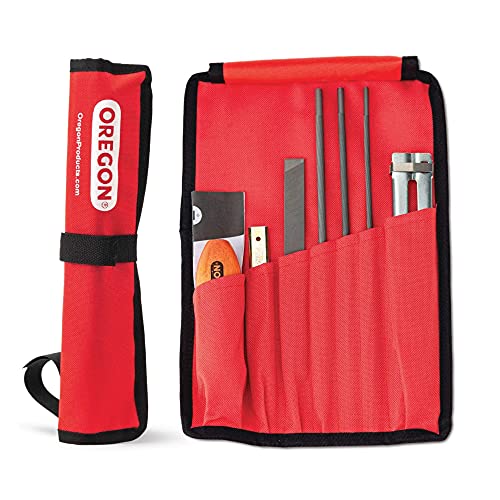
Oregon Bar and Chain Sharpening File Set
A general-purpose flat file set commonly used by homeowners to touch up straight hedge trimmer blade edges between professional sharpenings.
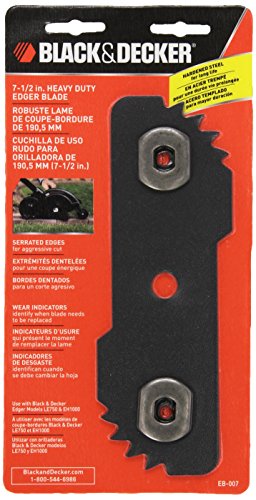
Black+Decker Hedge Hog Replacement Blade
A direct replacement blade option for a common consumer electric hedge trimmer line, relevant for models where swapping the blade is simpler than sharpening it.
Common questions
Can I sharpen hedge trimmer blades myself, or do I need a professional?
Many straight-blade hedge trimmers can be touched up at home with a flat file matched to the existing bevel angle, though specialty tooth patterns or a trimmer with significant damage are often better handled by a professional sharpening service.
What are the signs my hedge trimmer blades are too dull to keep using?
Torn or crushed cut ends instead of clean cuts, needing multiple passes through the same stems, and noticeably more effort or vibration while cutting are the main practical signs, rather than any specific number of months since the last sharpening.
Does sharpening a hedge trimmer blade too often wear it out faster?
Excessive sharpening does remove a small amount of metal each time, so sharpening only when genuinely needed, rather than on an aggressive preventive schedule, preserves the blade’s usable life longer.
How do I know if my blade is damaged versus just dull?
A dull blade cuts unevenly and with more effort across its whole length, while a damaged blade, like one with a chip or nick, usually shows a specific spot where cuts look worse than the rest of the blade.
Should I clean the blade before sharpening it?
Yes, sap, plant residue, and grime on the blade can interfere with getting an even sharpening pass, so wiping the blade down with a cleaning solvent before sharpening gives a cleaner result.
Does blade material, like stainless versus carbon steel, affect how often sharpening is needed?
Yes, different steel types hold an edge for different lengths of time, with some premium carbon steel blades holding a sharper edge longer than basic stainless options, though stainless resists corrosion better over the trimmer’s life.
Can a dull hedge trimmer blade damage the motor?
Potentially over time, since a dull blade forces the motor to work harder to push through the same material, which can increase wear and heat buildup in the motor compared to cutting with a properly sharp blade.
Is it worth oiling hedge trimmer blades after sharpening?
Yes, a light coat of blade oil after sharpening and after each use helps reduce friction, resists sap buildup, and protects the freshly sharpened edge from corrosion between uses.
How long does a typical blade sharpening session take?
A basic touch-up with a file on a straight blade can take a relatively short amount of time per blade, while a full professional sharpening service, especially with blade removal, takes somewhat longer depending on the shop.
Does battery or electric trimmer blade sharpening differ from gas trimmer blades?
The sharpening process itself is largely the same regardless of power source, since it is about the blade’s steel and tooth geometry, not how the trimmer is powered.
Can I tell a blade needs sharpening just by looking at it, without test cutting?
Visually, a rounded or shiny-dull edge along the cutting bevel compared to a crisp, slightly matte factory edge can suggest dullness, though an actual test cut on a small branch is usually the more reliable check.
Will sharpening fix a hedge trimmer that vibrates more than it used to?
If the extra vibration is from the blade working harder against dull edges, sharpening often helps, though vibration can also come from loose mounting hardware or motor issues unrelated to blade sharpness.
Should both sides of a double-action hedge trimmer blade be sharpened the same amount?
Yes, keeping both cutting edges on a double-action blade sharpened to a similar degree helps maintain even cutting and reduces uneven wear patterns developing between the two sides.
Does trimming wet hedges dull the blade faster than trimming dry ones?
Wet, sappy growth can actually ease cutting resistance somewhat, but sap residue also tends to build up on the blade and attract debris, which can indirectly contribute to faster dulling if the blade is not cleaned regularly after wet cutting sessions.
Can a professional sharpening service fix a blade that already has several nicks along its edge?
Yes, a professional service can usually grind out moderate nicks and restore a reasonably even edge, though very deep or frequent nicks may permanently shorten the blade’s remaining usable length as material is removed to even out the edge.
Is there a difference in sharpening frequency between single-sided and double-sided hedge trimmer blades?
Double-sided blades do twice the cutting work per pass compared to a single-sided blade, which can mean both edges accumulate wear at a similar overall pace to a single-sided blade used for the same total amount of cutting.
Does storing a hedge trimmer with the blade exposed instead of covered affect sharpness over time?
Yes, an exposed blade is more prone to surface corrosion and accidental nicks from contact with other stored tools, both of which can dull or damage the edge faster than storing it with a blade guard or sheath in place.
The bottom line
There is a reasonable once-a-season baseline for light home use, but the real answer is in how the cuts look, not the calendar. A trimmer tearing through branches instead of cutting them cleanly is overdue regardless of how recently it was last sharpened.
Sierra Daniels
Sierra's background is in landscape design and nursery retail. She focuses on lawn and garden equipment, outdoor furniture and gear durability, weighing published specs against how materials actually hold up outside.