How Often Should You Re-Grip a Tennis Racket?
There is no single interval that applies to everyone, since a tennis racket actually has two separate grip layers that wear at different speeds. The thin overgrip wrapped on top typically needs replacing every few sessions to a few weeks for frequent, sweaty players, since it takes the most direct friction and moisture. The underlying replacement grip lasts much longer, often several months to around a year of regular play, and is worth changing once it feels slick, thin, or loses its original texture.
Two separate grip layers, and why that matters for timing
A tennis racket’s handle typically has a replacement grip as the base layer, providing the main cushioning and shape, with a thinner overgrip wrapped on top of that for added tackiness and sweat absorption. These two layers see very different amounts of direct wear, since the overgrip takes essentially all of the friction and sweat contact, while the replacement grip underneath is comparatively protected and lasts considerably longer.
The clearest signs an overgrip needs replacing
An overgrip that has become smooth and slick rather than slightly tacky, visible thinning or shine in the V shaped area where the fingers rest most heavily, or any spot where the wrap has started to unwind or tear are all clear signals it’s past useful life. Once an overgrip stops absorbing sweat effectively, it tends to get slippery fast rather than gradually, which is often the moment players actually notice the problem.
How sweat and climate dramatically change how often this needs doing
A player training in hot, humid conditions or someone who simply sweats heavily during play will wear through an overgrip far faster than someone playing in cooler, drier conditions, sometimes needing a fresh overgrip every single session versus every several weeks for a lighter sweater in a mild climate. Humidity alone, separate from exertion, also affects how quickly an overgrip saturates and loses tackiness.
Realistic frequency guidelines based on how often you actually play
A casual player hitting once a week in moderate conditions might get a month or more out of a single overgrip, while a competitive or daily training player often replaces theirs every few sessions. The underlying replacement grip, by contrast, typically only needs changing every six months to a year for regular players, or sooner if it becomes compressed, hardened, or starts to peel away from the handle.
Why worn grip actually affects control and injury risk, not just comfort
A slick or worn grip forces a player to squeeze the handle harder to maintain control, which increases forearm and wrist muscle strain over a match or practice session and is a real contributing factor some coaches point to in overuse injuries like tennis elbow. A fresh, tacky grip lets the hand relax more between shots, since less grip force is needed to prevent the racket from twisting on contact.
Practical habits that make re-gripping more manageable and affordable
Many players apply a fresh overgrip themselves in just a couple of minutes rather than paying a shop each time, since overgrips are inexpensive and simple to wrap once you’ve done it a few times. Rotating between two rackets during frequent play also spreads out wear on each handle, and some players stack a second overgrip on top of a still-decent one for a quick refresh rather than fully rewrapping from the base grip every time.
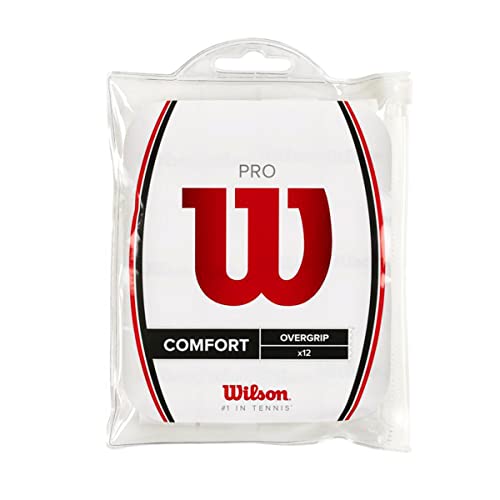
Wilson Pro Overgrip
A widely used tacky overgrip that players wrap over the base grip and commonly replace every few sessions depending on sweat and usage.

Babolat VS Original Grip
A leather replacement grip used as the base layer under an overgrip, built to last considerably longer than the overgrip wrapped on top of it.
Common questions
What is the difference between a replacement grip and an overgrip?
A replacement grip is the base layer that shapes the handle and is installed less often, while an overgrip is a thinner layer wrapped on top specifically for extra tackiness and sweat absorption, replaced much more frequently.
Can you tell a grip needs changing just by looking at it, or do you need to feel it?
Both matter. Visible thinning, shine, or unwinding is a clear sign, but a grip can also feel slick to the touch well before it looks obviously worn, so checking by feel during play catches the issue earlier.
Does playing in the rain or high humidity wear out a grip faster?
Yes, excess moisture saturates an overgrip’s tacky surface faster than dry conditions do, which shortens how long it stays effective even if the actual playing time is similar to a drier session.
Is it normal to need a new overgrip every single practice session?
For a player who sweats heavily or trains in hot conditions, yes, this is common and not a sign of a defective product, simply a reflection of how much moisture the overgrip is absorbing each session.
Can applying a new overgrip over an old worn one work as a temporary fix?
Yes, many players do this for a quick refresh between full changes, though it does add slight bulk to the handle, so it works better as an occasional shortcut than a permanent replacement for proper rewrapping.
Does grip size affect how often a racket needs re-gripping?
Grip size itself doesn’t significantly change wear rate, but a grip that’s the wrong size for a player’s hand can lead to excessive squeezing and faster sweat buildup, which indirectly speeds up overgrip wear.
Is it worth learning to re-grip a racket yourself instead of going to a shop?
For overgrips specifically, yes, it’s a quick skill to learn and saves regular trips to a shop given how often overgrips need replacing. Full replacement grip installation is a bit more involved but still learnable with practice.
Does a worn grip actually increase the risk of a racket slipping during a shot?
Yes, a grip that has lost its texture and become slick increases the chance of the racket twisting or slipping in hand on contact, particularly on powerful shots or when the hand is sweaty.
How many overgrips does a competitive player typically go through in a season?
This varies widely by how often they play and how heavily they sweat, but frequent competitive players can go through dozens of overgrips across a season given how often they’re changed relative to casual recreational play.
Does the type of overgrip material affect how often it needs replacing?
Yes, some overgrips are designed specifically for maximum tack and sweat absorption and wear faster as a result, while others prioritize durability over ultimate grip feel and last somewhat longer between changes.
Can a dirty grip be cleaned instead of replaced?
Light surface dirt can sometimes be wiped down, but once an overgrip has lost its tackiness or texture from sweat and wear, cleaning doesn’t restore that function, and replacement is the more effective option.
Does racket grip condition matter more for beginners or advanced players?
It matters for both, but advanced players hitting with more pace and spin often notice a worn grip’s effect on control sooner, while beginners may not immediately recognize grip wear as the source of control issues.
Is it better to replace the base grip annually regardless of how it feels?
Many players don’t follow a fixed annual schedule and instead replace the base grip once it feels overly compressed, hardened, or starts separating from the handle, which can happen faster or slower than a year depending on use.
Can old, worn grip tape affect racket weight or balance?
The weight difference between old and new grip tape is minimal and generally not noticeable in terms of racket balance, so grip changes are primarily about feel and sweat control rather than weight considerations.
Does switching overgrip brands require relearning your grip feel?
Different overgrip brands and textures can feel noticeably different in tackiness and thickness, so switching brands sometimes takes a short adjustment period before it feels as familiar as a previous favorite.
Is it common for recreational players to under-replace their grips compared to what’s ideal?
Yes, many recreational players go far longer between grip changes than frequent competitive players would, often not noticing the gradual decline in tackiness until it becomes an obvious, sudden problem.
Does weather storage, like leaving a racket in a hot car, affect grip lifespan?
Yes, extreme heat can degrade both overgrip and replacement grip material faster, making them feel harder or more brittle sooner than normal use alone would cause.
The bottom line
A tennis racket’s grip wears in two very different timelines, a thin overgrip that needs frequent attention and a base replacement grip that lasts much longer underneath it. Paying attention to how the handle actually feels during play, rather than following a fixed schedule, is the more reliable way to know when either layer genuinely needs changing.
Derek Holt
Derek has a background coaching recreational and amateur athletes and has worked the sales floor at specialty fitness retailers. He focuses on equipment durability, ergonomics and realistic use cases rather than marketing claims.