Do Tool Belts Actually Distribute Weight Evenly?
A well-designed tool belt distributes weight reasonably well by spreading the load across the hips rather than the shoulders, but evenness depends heavily on belt width, padding, and how tools are arranged around the belt, not just the fact that it is a belt. A narrow, unpadded belt loaded unevenly on one side will still concentrate pressure on a small area of the hip even though it is technically distributing weight across the body.
Why hip-based carrying is better than pockets but not automatically even
Carrying tools on a hip belt moves the load’s center of gravity closer to the body’s natural balance point compared to loose pockets, and it frees the hands, but a belt only distributes weight evenly if its design actually spreads contact pressure across a wide area rather than concentrating it at the pouches themselves.
Belt width and padding make a measurable difference
Wider belts, especially those with foam or gel padding along the back and sides, spread the same tool weight across more skin and muscle contact area, which reduces the pressure felt at any single point. A thin, unpadded belt carrying the same tools will dig in and feel heavier even though the actual weight has not changed.
Balanced loading matters as much as belt design
Putting all the heavy tools, like a hammer and a drill, on one side while light items sit on the other creates a lopsided pull that no amount of belt padding fully compensates for. Spreading heavier items around the belt, or using a front and back pouch layout, keeps the load centered rather than torquing to one side.
Suspenders and shoulder straps shift some weight off the hips
Some tool belt systems include suspender attachments that transfer a portion of the load to the shoulders, which can relieve hip and lower back strain during very heavy loadouts, though it reintroduces some of the shoulder fatigue a pure hip belt was meant to avoid.
Why a heavier total load needs a different belt than a light one
A belt adequate for a handful of hand tools may not hold up or distribute comfortably once loaded with a full framing or electrical kit including a cordless drill and multiple pouches. Belt rigidity, the stiffness of the material and backing, becomes more important as total carried weight increases.
What actually causes discomfort even with a well-rated belt
Most reported discomfort traces back to overloading beyond what the belt was designed for, poor pouch placement concentrating weight unevenly, or simply wearing the belt too low or too high on the hips rather than at the position it was designed to sit.
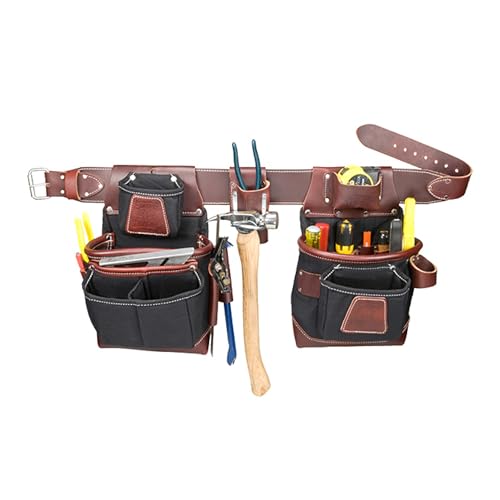
Occidental Leather Tool Belt
A premium leather tool belt system known for wide padded construction aimed at distributing heavy daily tool loads across the hips.
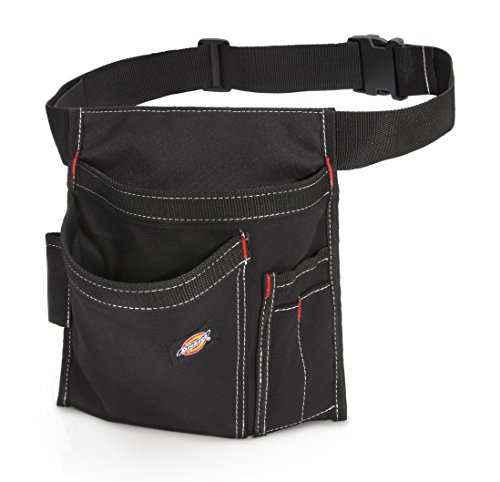
DICKIES 5-Pocket Tool Belt
A budget-friendly tool belt commonly used for lighter loadouts and occasional DIY or maintenance work.
Frequently asked questions
Does a wider tool belt really distribute weight better than a narrow one?
Yes, a wider belt spreads the same total weight across more contact area on the hips, which reduces pressure at any single point compared to a narrow belt carrying the same load.
Is padding necessary for a tool belt to feel comfortable all day?
For heavier loadouts, padding makes a real difference in comfort over a full shift, though for lighter occasional use a well-fitted unpadded belt can still be reasonably comfortable.
Does it matter how tools are arranged around the belt?
Yes, concentrating heavy tools on one side creates an uneven pull that no belt design fully compensates for, so spreading heavier items around the belt helps keep the load centered.
Can suspenders help a heavy tool belt feel lighter?
Yes, suspender attachments shift some of the load from the hips to the shoulders, which can relieve strain during very heavy loadouts, though it adds some shoulder fatigue in exchange.
Why does a tool belt feel heavier at the end of the day even with no change in tools?
Fatigue accumulates in the muscles supporting the load over hours of wear, so the same belt and tools can feel noticeably heavier late in a shift than they did first thing in the morning.
Does belt material affect how evenly weight is distributed?
Stiffer materials like leather or reinforced nylon tend to hold their shape under load better than soft fabric, which helps maintain even distribution rather than letting pouches sag and shift weight unpredictably.
Is it better to wear a tool belt low on the hips or higher near the waist?
Most tool belts are designed to sit on the hips rather than the natural waist, since the hips better support weight through the skeletal structure, and wearing it in the wrong position reduces comfort regardless of belt quality.
Do heavier tool belts need a different design than lighter ones?
Yes, as total carried weight increases, belt rigidity and width become more important for maintaining even distribution, which is why heavy-duty tradespeople often use wider, more structured belts than someone carrying a few hand tools.
Can overloading a tool belt cause back pain even if weight feels evenly spread?
Yes, even evenly distributed weight adds cumulative strain once it exceeds a comfortable total load, so distribution helps but does not eliminate the effects of simply carrying too much for too long.
Does a quick-release buckle affect weight distribution?
Not directly, a quick-release buckle mainly affects how easily the belt comes on and off, though a buckle that shifts or loosens during wear can indirectly let the belt sag and distribute weight less evenly.
Are tool belt pouches with multiple small compartments better for balance?
Often yes, since multiple smaller compartments encourage spreading tools out rather than clustering heavy items in one large pouch, which naturally supports more even weight distribution.
Do all trades need the same kind of weight distribution from a tool belt?
No, an electrician carrying lighter hand tools has different distribution needs than a framer carrying a hammer, nails, and a tape measure, so belt choice reasonably varies by the specific tools being carried.
Can a poorly fitted tool belt cause uneven weight distribution even if the belt itself is well made?
Yes, a belt that is too loose can shift and sag during movement, concentrating weight unevenly regardless of how well the belt was designed to distribute it when properly fitted.
Does body type affect how evenly a tool belt distributes weight?
To some degree, since hip shape and torso length affect how a belt sits and where pressure naturally concentrates, which is part of why trying a belt on with a realistic tool load before committing to one matters.
Is a more expensive tool belt always better at distributing weight?
Generally premium belts use wider padded construction and more structured materials that do distribute weight better, but the right fit and sensible tool arrangement matter just as much as price point.
Do tool belts with a rigid back panel distribute weight better than fully flexible ones?
Often yes, a semi-rigid back panel helps the belt hold its shape under load and keeps pouches from twisting or sagging toward one side, which supports more consistent distribution across a long work day.
Can a tool belt be adjusted throughout the day as fatigue sets in?
Yes, many belts allow minor repositioning or retightening, and shifting pouches slightly or loosening the belt a notch during a break can relieve pressure points that develop even on a well-distributed design.
Does climbing ladders or crouching frequently affect how a tool belt distributes weight?
Yes, repeated bending and climbing shifts the load dynamically in ways a static weight rating does not capture, which is why trades involving a lot of ladder work often prefer a snugger-fitting, lower-profile belt.
Where this leaves you
Tool belts genuinely help move weight off the hands and shoulders onto the hips, but calling any given belt evenly distributing is only true if it is wide enough, padded for the load it carries, and loaded sensibly rather than lopsided. The belt does half the work, and how it gets packed does the rest.
Jake Monroe
Jake worked as a residential contractor for over a decade before shifting to full-time writing. He evaluates power tools, hand tools and workshop gear through the lens of someone who has actually used them on job sites, not just read the box.