Do Tire Shine Products Attract Dirt Faster?
Yes, certain tire shine products, particularly oil-based and very high-gloss solvent formulas, genuinely do attract and hold road dirt faster than water-based or low-sheen alternatives, because their oily residue acts similarly to a dust magnet on a surface that is already constantly exposed to road grime. Water-based tire dressings and lower-gloss formulas generally resist this buildup noticeably better. The product is not malfunctioning when this happens, it is simply doing exactly what a tacky, glossy coating does on a part of the car that collects more airborne grime than almost anywhere else.
Why oily formulas attract more dirt
Oil-based tire shine leaves a slightly tacky petroleum-based film on the tire surface, and that tackiness is exactly what gives it a deep wet-look shine, but the same property also makes dust, road grime, and brake dust stick to the tire more readily than it would to a dry or water-based coating.
How water-based dressings behave differently
Water-based tire shine products dry to a less tacky, often slightly lower-gloss finish, which does not hold onto airborne dirt and brake dust nearly as aggressively as an oil-based product. The tradeoff is usually a less intense, less long-lasting shine compared to solvent-based options.
Sling-off is a related but separate problem
Beyond just attracting dirt while parked, excess oil-based tire shine can fling off the tire while driving, onto the wheel well, the car’s paint, and even nearby vehicles or pavement. This happens most with heavily applied, very glossy products and is a separate issue from dust simply settling onto a tacky tire surface.
Application thickness matters as much as formula type
Even a water-based product applied too heavily, or an oil-based product applied thinly and wiped down properly, changes the dirt-attraction outcome significantly. A thin, evenly wiped layer of any tire shine leaves far less tackiness exposed than a thick, dripping application.
Why brake dust is a bigger factor than general road dirt
Brake dust is extremely fine, somewhat sticky, and constantly being generated right next to the tire every time the brakes are used, which makes it the dominant source of visible buildup on a shined tire rather than dust picked up simply from driving on dirty roads. Vehicles with more aggressive braking habits or performance brake pads tend to generate noticeably more of this dust, which is why some drivers notice their tires looking dirty again within a day or two regardless of which tire shine they use.
Practical ways to get shine without the dirt magnet effect
Choosing a water-based or gel-style tire dressing, applying a thin even coat and wiping off excess rather than leaving it to drip, and washing the tires thoroughly before application so dirt is not sealed in underneath the new coat all reduce how fast a shined tire looks dirty again. Reapplying a fresh thin coat every week or two, rather than one heavy application meant to last a month, also tends to look cleaner over time than chasing maximum shine in a single use.
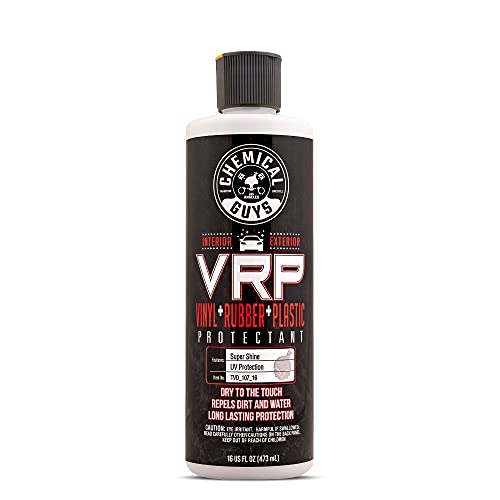
Chemical Guys VRP Tire Shine
A water-based tire and trim dressing commonly used for a moderate shine with less tackiness than heavy oil-based formulas.

Meguiar’s Endurance Tire Gel
A gel-style tire dressing often used for a long-lasting shine with a less greasy residue than traditional liquid tire shine sprays.
Questions worth asking
Why does my tire look dirty again just a day or two after applying tire shine?
This usually happens with oil-based, high-gloss formulas whose tacky residue holds onto brake dust and road grime far more readily than a dry tire surface would.
Is water-based tire shine actually less effective at attracting dirt?
Yes, water-based formulas dry to a less tacky finish than oil-based products, which measurably reduces how quickly dust and brake dust accumulate visibly on the tire.
Does applying tire shine thicker make it last longer without attracting more dirt?
No, a thicker application generally increases tackiness and dirt attraction rather than extending clean-looking shine time, and it also raises the risk of sling-off while driving.
What causes tire shine to fling onto the car’s paint while driving?
Excess, heavily applied oil-based tire shine that has not been wiped down can fling off the spinning tire due to centrifugal force, landing on the wheel well, rocker panels, and sometimes nearby vehicles.
Is brake dust or road dirt the bigger factor in tires looking dirty quickly?
Brake dust is typically the dominant factor, since it is extremely fine, somewhat sticky, and generated continuously right next to the tire every time the brakes are used.
Does washing the tire before applying shine actually matter?
Yes, applying shine over existing dirt and brake dust seals that grime in underneath the new coating, which can make the tire look dirty or streaky faster than starting from a clean surface.
Are gel-style tire dressings better than spray formulas for avoiding dirt buildup?
Gel formulas are often less prone to dripping and overapplication than sprays, which indirectly helps avoid the thick, overly tacky coating that attracts dirt fastest.
Can a matte or low-gloss tire shine still attract less dirt than a high-gloss one?
Generally yes, lower-gloss formulas tend to use less oily, less tacky bases than deep wet-look high-gloss products, which correlates with somewhat slower dirt buildup.
Does driving in wet or muddy conditions make any tire shine look dirty faster?
Yes, heavy exposure to mud or standing water overwhelms the dirt-resistance difference between formulas, since any tire shine will accumulate visible grime quickly under genuinely messy driving conditions.
Is it worth wiping off excess tire shine after application?
Yes, wiping down excess product after application significantly reduces both dirt attraction and the risk of sling-off, and most tire shine instructions specifically recommend this step.
Do all oil-based tire shine products behave the same way with dirt?
Not identically, since formulas vary in how much oil content and tackiness they leave behind, but most oil-based products share the general tendency to attract more dirt than water-based alternatives.
Can reapplying tire shine too often make the dirt problem worse?
Yes, layering fresh product over a residue that already has some dirt embedded in it can compound the tacky, grime-holding surface rather than refreshing a clean shine.
Does tire shine affect tire rubber itself, beyond just looking dirty?
Some lower-quality petroleum-based dressings can potentially dry out rubber over long-term heavy use, which is a separate consideration from dirt attraction but worth knowing when choosing a product for frequent use.
Is there a tire shine option that avoids the dirt magnet problem almost entirely?
A thin, evenly applied water-based or gel dressing on a clean tire comes closest to minimizing the dirt magnet effect, though no tire shine fully eliminates dust and brake dust accumulation over time.
Does the color or finish of the tire shine affect how visible dirt buildup looks?
A very glossy black finish can actually make dust and streaking more visually obvious by contrast than a more natural matte finish, even if the actual amount of dirt collected is similar.
Can tire shine be applied right after washing the car, or should the tires dry first?
Most products work best on a clean, fully dry tire, since applying over residual water can dilute the dressing and lead to uneven streaking rather than a consistent finish.
Is it worth using a dedicated applicator pad instead of just spraying tire shine directly?
Yes, using an applicator pad to spread product evenly generally gives more control over thickness than spraying alone, which helps avoid the overly thick coating that attracts dirt fastest.
Does parking in a garage instead of outside reduce how fast a shined tire gets dirty?
Yes, reduced exposure to road spray, dust, and weather while parked meaningfully slows visible buildup compared to a tire that sits outside exposed to the elements between drives.
The bottom line
Tire shine attracting dirt faster is a real, predictable tradeoff tied mostly to how oily and tacky a given formula is, not something owners are imagining. Choosing a water-based or gel dressing, applying it thin, and wiping off the excess gets most of the shine without turning the tire into a dust magnet by the following week. A little restraint in application does more for lasting good looks than any single product claim on the bottle.
Tony Russo
Tony trained as an automotive technician and spent years in service and parts retail before moving into writing. He focuses on garage tools, car care products and accessories from a hands-on maintenance perspective.
You might also need
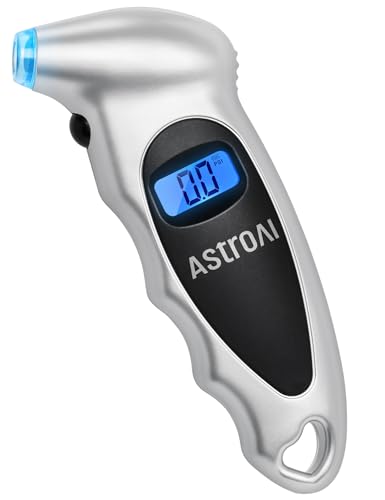
Compact Rechargeable Tire Pressure Gauges That Fit Any Glovebox

Professional Digital Tire Inflators That Earn Their Place in Your Shop
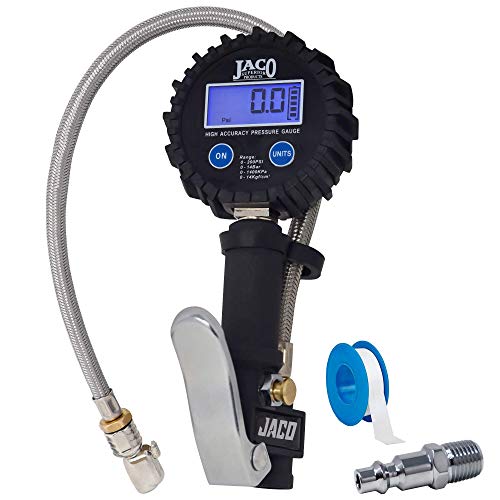
Compact Professional Tire Pressure Gauges That Earn Their Spot