Do Space Heaters Actually Lower Your Heating Bill?
A space heater can lower your heating bill, but only if you use it to heat one occupied room while turning the central thermostat down for the rest of the house, a strategy called zone heating. If you run a space heater in addition to keeping central heat at its normal setting, you are simply adding a second heating cost on top of the first and your bill will go up, not down.
The core math behind zone heating
Electric resistance heaters, which is what most portable space heaters are, convert nearly all their electricity into heat, but electricity is generally more expensive per unit of heat than gas or an efficient heat pump. Zone heating only saves money when the square footage you are actually heating with the space heater is much smaller than your whole house, so the cost of heating that one room with pricier electricity is still less than the cost of heating the entire house with your main system.
Why turning down the thermostat elsewhere matters
The savings only materialize if the central system’s setback is real, meaning the thermostat is actually lowered for unoccupied rooms while the space heater covers the room you are in. Running a space heater while leaving central heat untouched at its usual setting adds a cost rather than replacing one, which is the most common mistake people make with this strategy.
Wattage and the direct cost of running one
Most portable space heaters draw around 1500 watts on their highest setting, and that wattage translates directly into electricity cost the longer it runs, regardless of brand or features. A heater running on a lower wattage setting, or one with a thermostat that cycles off once the room reaches target temperature, costs meaningfully less to run over a full evening than one left on high continuously.
Why heater type changes the overall efficiency picture
A ceramic or infrared space heater and a basic coil heater both convert electricity to heat at essentially the same near-total efficiency, the real difference between heater types is how well they distribute or target that heat. An infrared panel radiates heat directly at people and objects in its path rather than warming the whole room’s air first, which can make a room feel warm sooner at a given wattage, slightly reducing the time the heater needs to run.
When a space heater does not save anything at all
In a poorly insulated room, a leaky older window, or a space with high ceilings, a space heater has to run almost continuously to maintain comfort, erasing most or all of the savings zone heating is supposed to provide. In those cases the room is losing heat faster than a modest wattage heater can realistically keep up with, and the better fix is addressing the insulation or drafts rather than relying on the heater.
What actually makes the biggest difference in a real bill
The size of the house being set back, the local price difference between electricity and whatever fuels the central system, and how many hours per day the space heater actually runs are the three factors that decide whether zone heating pays off, far more than which specific heater model is used.
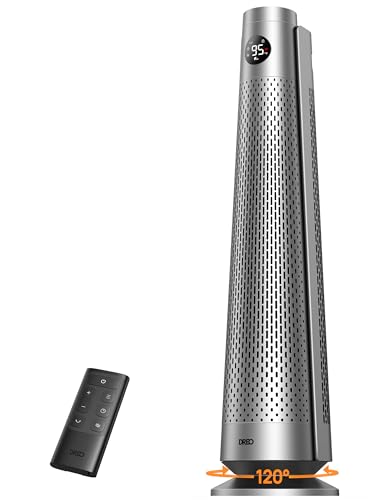
Dreo Solaris H1 Space Heater
A ceramic space heater with an adjustable thermostat and eco mode that cycles the heating element off once a room reaches the set temperature, which limits how much it runs unattended.

Lasko 754200 Ceramic Space Heater
A simple, widely available ceramic heater with high and low wattage settings, commonly used for basic single-room zone heating in a bedroom or home office.
Questions worth asking
Is it cheaper to run a space heater or central heating overnight?
For a single occupied bedroom with the rest of the house set back, a space heater is usually cheaper, but running a space heater all night without lowering the central thermostat elsewhere typically costs more, not less.
Do infrared space heaters really use less electricity than ceramic ones?
At the same wattage setting they use the same amount of electricity, the difference is that infrared heat can make a person feel warm faster since it heats objects and bodies directly rather than warming the whole room’s air first.
Does a space heater with a thermostat actually save money compared to one without?
Yes, a thermostat lets the heater shut off once the room reaches target temperature instead of running continuously, which directly reduces the hours of electricity draw over an evening.
Is it safe to leave a space heater running unattended to save on reheating costs?
No, manufacturers and fire safety guidance consistently recommend never leaving a space heater running in a room with no one present, safety should take priority over any marginal cost savings from not restarting it.
Why does my electric bill go up after buying a space heater even though I use less gas?
This usually means the space heater is being used in addition to, rather than instead of, the central system, so total energy use across both fuels increased rather than shifting.
Does a bigger wattage space heater heat a room faster and therefore cost less overall?
Not necessarily, a higher wattage unit does warm a room faster but also draws more power while running, the total cost for reaching a comfortable temperature often ends up similar between a strong unit running briefly and a weaker one running longer.
Can using a space heater in just one room really offset a whole house’s heating cost?
It can meaningfully reduce it if the rest of the house’s thermostat is genuinely turned down, the savings come specifically from heating less total square footage, not from the space heater being inherently more efficient.
Do oil-filled space heaters cost less to run than ceramic ones?
Both convert electricity to heat at similarly high efficiency, oil-filled heaters retain heat longer after cycling off due to the thermal mass of the oil, which can mean slightly fewer on cycles over time.
Is natural gas central heating always cheaper per unit of heat than an electric space heater?
In most regions, yes, since electricity tends to cost more per unit of delivered heat than natural gas, which is exactly why zone heating with electric space heaters only pays off when it lets you heat a much smaller area.
Does a heat pump make space heaters pointless for saving money?
Not entirely, a heat pump is generally more efficient than a resistance space heater for whole-house heating, but a space heater can still make sense for quickly warming one occupied room without running the whole system.
How many hours a day can a space heater run before it costs more than just using central heat?
There is no fixed number, it depends on local electricity and fuel prices along with how much of the house’s heat is actually being set back, which is why the same strategy saves money for one household and costs another more.
Does unplugging a space heater between uses save any meaningful electricity?
Standby draw on most simple space heaters is negligible to begin with, the actual cost comes almost entirely from the hours it runs while heating, not from any phantom power use while off.
Is a space heater a reasonable way to heat an entire small apartment instead of central heat?
It can work for a very small, well-insulated studio, but for most apartments with more than one room in regular use, a single space heater struggles to maintain comfort everywhere and ends up running close to continuously.
Does closing doors to unused rooms actually help a space heater save money?
Yes, closing doors keeps the heated room’s warm air contained rather than drifting into unheated spaces, which reduces how often the heater needs to cycle back on to maintain temperature.
Why do some people say space heaters are a fire risk worth the savings warning against?
Space heaters are involved in a disproportionate share of home heating fires largely due to flammable material being placed too close or units being left unattended, any cost savings should be weighed against following basic placement and supervision guidance.
The bottom line
A space heater is not inherently cheaper or more expensive than central heat, it depends entirely on whether you are replacing heat elsewhere in the house or simply adding it on top. Used correctly as a true zone heating tool in one small, well-sealed room with the thermostat turned down everywhere else, it can genuinely save money, used as an extra comfort layer alongside unchanged central heat, it almost never does.
Dana Whitfield
Dana spent eight years buying and merchandising for a regional kitchenware retailer before moving into editorial work. She has handled thousands of SKUs across cookware, small appliances and kitchen organization, and focuses on the practical differences that matter once a product is actually in daily use.
You might also need
Is a Robot Mop Actually Effective on Grout Lines and Corners?

Handcrafted Bamboo Matcha Whisk: Does the Traditional Tool Actually Matter?

Which Silicone Bowl Covers Actually Hold a Tight Seal
