Do Screen Cleaning Wipes Damage Screen Coatings?
The wipe itself rarely causes damage, the chemicals inside it can. Wipes containing ammonia, alcohol concentrations above about 70 percent, or abrasive additives can gradually break down the anti-glare and oleophobic coatings that modern screens rely on, while wipes formulated specifically for electronics generally do not.
What screen coatings actually are
Most phone, laptop and monitor screens have a thin oleophobic coating that repels fingerprint oils, and many also have an anti-glare or anti-reflective coating layered under or over that. These coatings are a few molecules thick, which is why they are easy to wear down with the wrong cleaning chemistry over repeated use, even though a single wipe will not visibly damage anything.
Why ammonia and high alcohol wipes are the main risk
Ammonia based glass cleaners, the kind sold for household windows, are formulated for untreated glass and can break down oleophobic coatings with repeated use. Isopropyl alcohol above roughly 70 percent concentration has a similar effect over time, which is why most electronics manufacturers specifically warn against using household glass cleaner on a phone or laptop screen.
What electronics specific wipes actually use instead
Wipes marketed for phones, monitors and camera lenses typically use a lower concentration of isopropyl alcohol, often with added glycerin or similar ingredients meant to be gentler on coatings while still disinfecting. This is the main practical difference between a wipe safe for a premium laptop screen and one meant for a kitchen counter.
Texture and abrasiveness matter too
Beyond chemistry, a wipe’s physical texture matters. Paper towels and rough cloth can create micro scratches on a coating over repeated use even with a safe cleaning solution, which is why most screen safe wipes use a soft microfiber or non woven material rather than paper.
Signs a coating is already wearing down
A screen that used to repel fingerprints well but now smears and holds onto oily marks noticeably more than it used to is a common early sign the oleophobic coating has thinned. Increased glare or a slightly hazier look under bright light can indicate the anti-glare layer wearing down as well, and neither is reversible by cleaning differently afterward.

WHOOSH! Screen Cleaner Kit
An alcohol free cleaning solution and microfiber cloth combination marketed specifically as safe for coated phone, tablet and laptop screens.
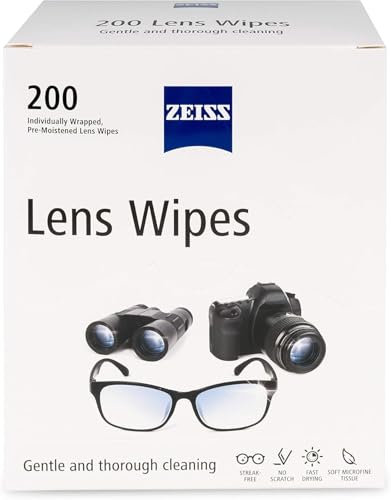
Zeiss Pre-Moistened Lens Wipes
A low residue wipe originally designed for coated camera and eyeglass lenses that is commonly repurposed for phone and monitor screens.
Frequently asked questions
Can one wrong wipe permanently damage a screen coating?
A single use is very unlikely to cause visible damage, coating wear is almost always cumulative from repeated exposure to harsh chemicals rather than a one time event.
Is isopropyl alcohol always bad for screens?
Not inherently, lower concentrations around 50 to 70 percent are commonly used safely in electronics specific wipes. Higher concentrations and frequent use are what increase the risk to coatings over time.
Are baby wipes safe to use on a laptop screen?
Generally not recommended, most baby wipes contain lotions, fragrances or preservatives not formulated for screen coatings, and the added moisture content is higher than what is considered safe for electronics with exposed ports or edges.
Do screen protectors prevent coating damage from wipes?
A screen protector adds a sacrificial layer between the wipe and the actual screen coating, so yes, it can reduce direct wear on the original coating, though the protector’s own surface can still degrade from harsh cleaners.
Can you tell if a wipe has ammonia just by smell?
Often yes, ammonia has a distinct sharp chemical smell similar to some glass cleaners, but checking the ingredient list on the package is more reliable than relying on smell alone.
Is distilled water with a microfiber cloth a safer alternative to wipes?
Yes, for routine dust and light smudges, a slightly damp microfiber cloth with distilled water is one of the gentlest options and carries essentially no coating risk, though it will not disinfect a surface the way an alcohol based wipe does.
Do anti-glare coatings wear differently than oleophobic coatings?
Both can degrade from similar causes, but anti-glare coatings on monitors tend to show wear as a hazy or patchy appearance, while oleophobic coating wear on phone screens shows up mainly as reduced fingerprint resistance.
Are disinfecting wipes meant for surfaces safe for screens?
Most general household disinfecting wipes are formulated for hard surfaces, not coated glass, and often contain higher chemical concentrations than screen safe wipes, so they carry more coating risk with regular use.
Can you use vinegar solutions to clean a screen safely?
Vinegar is acidic and not recommended for coated screens, since repeated use can be just as damaging to oleophobic and anti-reflective coatings as ammonia based cleaners.
Does pressing hard while wiping a screen cause damage beyond the cleaner itself?
Yes, excessive pressure combined with any grit or dust already on the screen can create micro scratches regardless of which cleaning solution is used, which is why a light touch matters as much as the product.
Do matte screen protectors need different cleaning products than glossy ones?
Matte and anti-glare textured protectors can trap cleaning residue in their texture more easily than smooth glossy surfaces, so a lower residue, alcohol light wipe is generally preferred for matte finishes.
Is it safe to use the same wipes on a TV screen as a phone screen?
Most modern TV panels use similar coating technology to phone and monitor screens, so a wipe safe for one is generally safe for the other, though very large TV screens make a spray and wipe microfiber method more practical than individual wipes.
Can expired cleaning wipes behave differently than fresh ones?
Yes, as the moistening solution in a wipe package evaporates or breaks down over time, the remaining liquid can become more concentrated or change in ways not reflected on the original label, so very old wipes are worth checking for unusual texture or smell before use.
Do laptop keyboard cleaning wipes use the same formula as screen wipes?
Not always, keyboard focused wipes sometimes include slightly stronger degreasing agents meant for plastic keys rather than coated glass, so using a dedicated screen wipe on the screen itself is the safer choice when both are available.
Does UV light exposure speed up coating wear alongside chemical cleaning?
Prolonged direct sunlight and UV exposure can contribute to coating breakdown over the life of a device, somewhat independent of cleaning habits, though chemical exposure from cleaning remains the more directly controllable factor.
Can you restore a worn oleophobic coating once it degrades?
There are aftermarket reapplication products sold for this purpose, though results vary and none restore a coating to its original factory applied durability, which is why prevention through gentler cleaning matters more than attempting a fix afterward.
Does using compressed air before wiping a screen help protect the coating?
Yes, blowing away loose dust and grit with a short burst of compressed air before wiping removes the particles most likely to cause micro scratches, which complements rather than replaces using a gentle, electronics safe cleaning solution on the remaining smudges and fingerprints.
Do refurbished or older devices need gentler cleaning than brand new ones?
Often yes, since a coating that has already seen several years of cleaning and daily wear has less protective material left than a brand new screen, so using the gentlest effective option becomes more important on an older device rather than less, even though the visible damage from any single cleaning session will still look minor.
Where this leaves you
The wipe material matters less than what is dissolved into it. A soft microfiber wipe paired with a cleaner free of ammonia and heavy alcohol concentrations protects a screen’s coating for years, while even a gentle feeling wipe loaded with the wrong chemistry will wear a coating down with routine use.
Marcus Chen
Marcus covered consumer electronics for enthusiast tech publications for six years before joining ChoiceCrest. He specializes in translating manufacturer spec sheets into plain-language buying advice, with a focus on audio, computing accessories and smart-home gear.
You might also need
Nintendo Game & Watch: Super Mario Bros Review: Still Worth It as a Collectible?

Ray-Ban Meta (Gen 2) Wayfarer Smart Glasses: Worth $379 for Clear Lenses?
AlyKets Nikon UC-E6 Replacement USB Cable: Does a $7.95 Cord Work as Well as the Original?
