Do Mosquito Repellent Plants Actually Work?
Mosquito repellent plants like citronella geranium, lemongrass and basil genuinely contain aromatic oils that irritate or confuse a mosquito’s sense of smell, but the amount released by an undisturbed potted plant sitting on a patio is far too small to create a protective zone around you. The oil only reaches an effective concentration when leaves are crushed and applied directly to skin or extracted into a candle or spray, which is why citronella candles outperform the live plant they are named after.
What’s actually inside these plants
Citronella grass, citronella-scented geranium, lemongrass and catnip all contain volatile compounds such as citronellal, geraniol and nepetalactone that mosquitoes genuinely find irritating or confusing at lab concentrations. This part is not marketing fiction. Entomology studies have measured real repellent activity from the extracted oils of several of these plants, which is exactly how citronella ended up in candles and sprays in the first place.
Why a potted plant doesn’t create a real barrier
The compounds have to reach a high enough concentration in the air around you to matter, and an intact leaf sitting in a pot releases only a tiny, constant trickle of scent that disperses in open air within seconds. Even light wind scatters that trace amount before it reaches a meaningful radius around a patio chair, which is the core gap between lab results and backyard reality.
What actually makes the oil work
Crushing or bruising the leaves ruptures the cells that store the oil and releases a much higher concentration at once, which is why rubbing a crushed lemongrass or citronella leaf directly on skin does something measurable for a short while, even though the same plant growing untouched a few feet away does close to nothing.
Where these plants earn a small, real role
In a mostly enclosed space like a screened porch with still air and several dense, mature plants grouped tightly together, the combined scent can build to a noticeably higher concentration than one pot in open air. It remains a minor supplement, not a replacement for a spray or trap, but it is not purely cosmetic in that specific setting.
What reliably works instead
DEET and picaridin sprays applied to skin, permethrin-treated clothing, and devices that actively diffuse repellent into the air such as clip-on fans or patio diffusers all work by maintaining a real, measured concentration near your body, which is the variable that potted plants cannot sustain outdoors.
Why people still plant them anyway
Citronella geranium, lemongrass and marigold are attractive, low-maintenance landscaping plants on their own merits, and many gardeners keep them for that reason while treating any repellent effect as a minor bonus rather than the main purpose, which is a reasonable way to think about them.
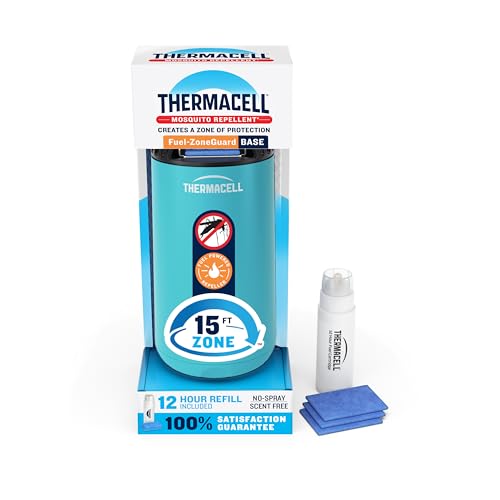
Thermacell Patio Shield Mosquito Repellent
A butane-powered diffuser that creates an actual measurable repellent zone outdoors, unlike a potted plant, by continuously releasing repellent into the air around a patio or deck.
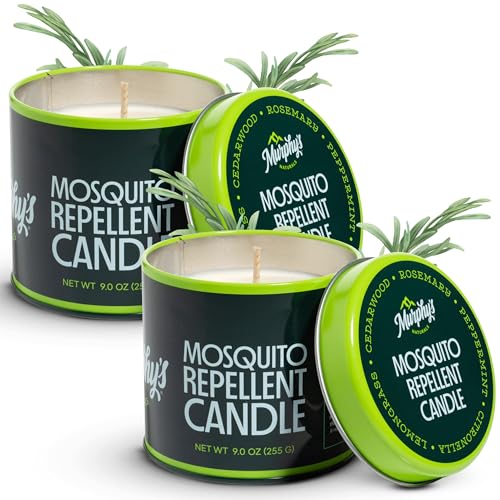
Murphy’s Naturals Citronella Candle
A citronella candle that concentrates the same oil found in the living plant into a burning wax base, releasing far more of the compound into the air than a potted plant does.
Questions worth asking
Does citronella grass work better than citronella-scented geranium?
Citronella grass is the actual plant the oil is extracted from commercially, while citronella geranium just carries a similar scent compound at a much lower concentration, so the grass has a slightly stronger case, though neither does much left untouched in a pot.
How many mosquito repellent plants would I need to notice a difference?
Enough dense, mature plants grouped tightly in a still, semi-enclosed space to meaningfully raise the local scent concentration, which in practice usually means more pots than most patios have room for, making the effect modest at best even then.
Do mosquito repellent plants work better indoors?
They work somewhat better in still indoor air than outdoors in wind, since there is no breeze to scatter the trace scent, though a houseplant still releases far less compound than a diffuser or candle built specifically to concentrate it.
Is lemongrass more effective than basil for repelling mosquitoes?
Lemongrass contains a higher concentration of citronellal than basil does, so crushed lemongrass leaves tend to have a slightly stronger short-term effect on skin, though both work only briefly and only when bruised or extracted rather than left growing.
Can I make my own repellent spray from these plants?
Yes, by steeping crushed leaves in oil or alcohol you can extract some of the active compounds, though homemade extracts are inconsistent in concentration and typically weaker and shorter-lasting than a commercial DEET or picaridin product.
Do marigolds really keep mosquitoes away from a garden bed?
Marigolds contain compounds that can mildly deter some insects at close range, but the effect on flying mosquitoes specifically is weaker and less consistent than their reputation suggests, and they are more reliably useful against certain soil pests.
Why do citronella candles work better than the live plant?
A candle concentrates the extracted citronella oil into the wax and releases it continuously as it burns, creating a steadier, higher local concentration than a living plant’s leaves ever release passively into open air.
Does crushing the leaves of these plants and rubbing them on skin actually help?
It provides a brief, mild repellent effect because crushing ruptures the oil-storing cells and puts a higher concentration directly on skin, but the effect fades quickly as the oil evaporates, so it is not a substitute for a lasting spray.
Are mosquito repellent plants safe around pets?
Most, including citronella geranium and lemongrass, are considered low risk in small amounts, but some pets can have stomach upset if they chew on the leaves, so it is worth checking the specific plant before placing it where they graze.
Do these plants need full sun to produce their strongest scent?
Yes, most repellent-associated plants like lemongrass and citronella geranium produce their aromatic oils most strongly when grown in full sun, and a plant kept in shade typically has a noticeably weaker scent even when crushed.
Is catnip actually more effective than citronella for mosquitoes?
Some studies have found the compound in catnip performs comparably to citronella oil in concentrated extract form, but as with citronella, that result does not translate into a living, undisturbed plant providing the same protection outdoors.
Can a mosquito repellent plant replace bug spray at an outdoor party?
No, for any gathering with people moving around over a few hours, an active diffuser, candle grouping, or applied repellent spray will outperform potted plants, which are better treated as a decorative extra than the main line of defense.
Do these plants stop working once they flower?
Many aromatic herbs, including basil, redirect more energy into flowering and seed production once they bloom, which can slightly reduce the oil concentration in the leaves, so some gardeners pinch off flowers to keep leaf oil production higher.
Why does wind make such a big difference outdoors?
Any airborne repellent, whether from a plant, candle or diffuser, depends on building up a local concentration near your skin, and even a light breeze constantly replaces that air with unscented air, which is the single biggest reason outdoor plant-based repellents underperform indoor tests.
Is there a difference between true citronella and the synthetic citronella scent in some candles?
Yes, some budget candles use a synthetic fragrance that smells similar but contains little or none of the actual citronellal compound, so checking for real citronella oil in the ingredient list matters if the repellent effect is the reason you are buying it.
Do mosquito repellent plants attract other pests instead?
Some, like marigolds, can attract aphids even while mildly deterring other insects, so planting them does not guarantee a pest-free bed overall, just a shift in which insects show up.
Should I still plant lemongrass or citronella if I know it won’t fully work?
There is no harm in it, since both are attractive, easy to grow plants on their own, as long as you treat any repellent benefit as a small bonus rather than your actual mosquito control plan for the season.
Our take
The chemistry inside these plants is real, but the delivery system is the problem: a leaf sitting quietly in a pot never reaches the concentration that made the compound famous in the first place. Grow them for the garden, lean on a diffuser, candle or spray for the actual mosquito control, and treat the plant as a pleasant extra rather than a standalone defense.
Sierra Daniels
Sierra's background is in landscape design and nursery retail. She focuses on lawn and garden equipment, outdoor furniture and gear durability, weighing published specs against how materials actually hold up outside.