Do Cordless Tools From the Same Battery Platform Actually Share Charge Well?
Tools on the same voltage and connector platform from one manufacturer, like a 20V MAX or 18V LXT lineup, do genuinely share batteries and chargers across the whole range without any compatibility issues. What does not carry over evenly is runtime, since a higher-draw tool like a saw or grinder pulls a battery down far faster than a drill or driver does, even on the exact same charge.
What same platform actually guarantees
Matching voltage and connector family means real physical and electrical compatibility, so a battery charged for a drill will genuinely click into and charge identically for an impact driver, saw, or flashlight from the same lineup.
Why runtime still varies a lot between tools on the same battery
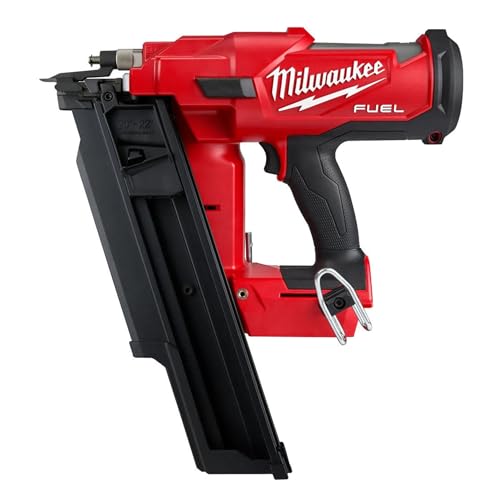
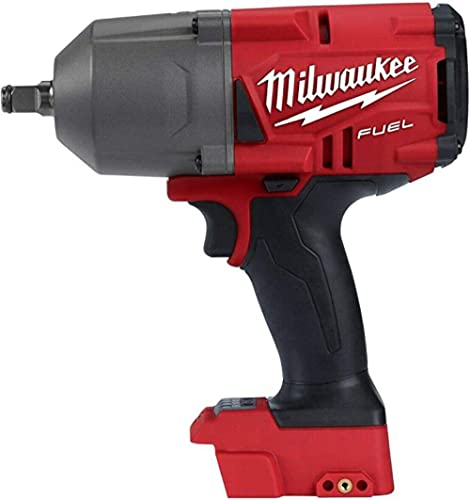
A circular saw or angle grinder draws far more continuous current than a drill driver, so the same battery that runs a drill through an entire afternoon of light work might only deliver twenty or thirty minutes of continuous cutting in a saw.
The real convenience is fewer chargers and a shared pool of batteries
The practical benefit of a shared platform is carrying one charger and swapping a single pool of batteries between whichever tool needs one next, not that every tool squeezes identical runtime out of an identical charge.
Mixing battery amp-hour sizes across the same platform
Most platforms sell several capacity options, commonly in the 2.0Ah to 9.0Ah range, and any of them physically fits any tool on that platform. A compact low-capacity battery in a high-draw tool like a grinder will simply deplete and need recharging far sooner than a larger pack would in the same tool.
Why battery age affects how well sharing feels in practice
A battery nearing the end of its useful charge cycles sags under high-draw tools first, so an aging battery can still run a drill acceptably while struggling noticeably in a saw, which can look like a compatibility problem when it is really just battery wear.

DeWalt DCK240C2 20V MAX Cordless Drill and Impact Driver Combo Kit
A common entry point into the 20V MAX platform, illustrating how shared batteries move between two different tools in the same kit.

Makita XT269M 18V LXT Cordless Combo Kit
A combo kit on Makita’s 18V LXT platform, where the included batteries are also compatible across the brand’s much larger tool lineup.
Frequently asked questions
Can any battery size be used on any tool within the same voltage platform?
Generally yes if it shares the same voltage and connector family, though the manufacturer may note a minimum recommended capacity for very high-draw tools like large grinders or saws.
Does using a bigger battery damage a smaller, lower-draw tool?
No, a tool only draws the current it actually needs, so a larger battery simply means more runtime and slightly more weight, not additional electrical stress on the tool.
Why does my impact driver seem to drain the battery faster than my drill?
Impact drivers often hit higher peak current during the hammering action, so even similar overall use can draw down a battery faster than straightforward drilling would.
Can batteries from a different voltage platform from the same brand be swapped in?
No, most brands keep separate, incompatible platforms, such as a 12V line and a 20V or 18V line, even under the same brand name, since the physical connectors and voltages differ.
Does battery sharing work the same for brushless and brushed tools on the platform?
Yes, the battery does not care about motor type. Brushless tools are simply more efficient with the same battery, often delivering more runtime or power per charge.
Will an old, worn battery still perform fine on lower-draw tools even if it struggles on power tools?
Often yes, a battery with reduced capacity or higher internal resistance can still work acceptably in something like a flashlight or low-draw tool while clearly underperforming in a saw or grinder.
Can any battery on the platform be charged in any charger from the same brand?
Typically yes within the same platform and voltage, though some brands sell both standard and rapid chargers, with rapid chargers reading battery condition and charging faster when it is safe to do so.
Is there a downside to owning only one battery across several tools?
Yes, a single battery can only power one tool at a time, so owning multiple high-draw tools without extra batteries means more frequent swapping or waiting for a recharge mid-project.
Do batteries wear out faster when shared across many different tools versus staying with one?
Not meaningfully, cycle wear is driven mainly by charge and discharge cycles and heat exposure, not by which specific tool happened to be doing the discharging.
Can combo kit batteries be bought separately later to expand a tool collection?
Yes, that is one of the main reasons buyers commit to a platform, since additional bare tools sold without a battery or charger are usually cheaper on the assumption you already own compatible batteries.
Does cold weather affect how well a shared battery performs across different tools?
Yes, cold temperatures reduce a lithium battery’s available current regardless of which tool it is powering, though high-draw tools show the effect more noticeably than low-draw ones under the same cold conditions.
Do off-brand replacement batteries work just as well across the platform?
Many fit and function physically, but build quality and the internal battery management circuitry vary, and some tool manufacturers have warned that non-original packs can underperform or, in rare cases, raise safety concerns.
Will a tool refuse to run if the shared battery is too depleted for it specifically?
Many higher-draw tools include protection circuitry that briefly refuses to run once battery voltage sags below a safe threshold under load, even though the same battery might still have enough charge left for a lighter tool.
Does buying a combo kit guarantee its batteries work well with future tool purchases?
Yes, combo kit batteries are standard platform batteries, not a special bundled-only version, so they perform the same in any future tool bought separately on that same platform.
Can I check how much charge is left in a battery before swapping it into another tool?
Most platform batteries include an onboard charge indicator with a button and small LED display, letting you check remaining charge without needing to insert it into a tool first.
Does owning more tools on one platform mean buying extra batteries sooner?
Yes, more tools competing for the same small pool of batteries generally means buying one or two extra batteries makes practical sense sooner than it would for someone who owns only one or two tools.
Does a tool’s own electronics limit how much current it draws from a shared battery?
Yes, most modern cordless tools include their own current-limiting and thermal protection circuitry, which is part of why the same battery behaves predictably across very different tools on the same platform.
Can a battery be damaged by constantly switching it between high and low draw tools?
No, switching between tools of different draw levels does not harm the battery itself, since the battery simply supplies whatever current each tool’s own circuitry requests.
Is there a real advantage to staying within one platform instead of mixing brands?
Yes, staying within one platform means every new tool purchase can skip buying another battery and charger, which adds up in savings and reduces the number of chargers cluttering a shop over time.
Do higher voltage platforms always mean more runtime than lower voltage ones?
Not necessarily, runtime depends on both voltage and the battery’s amp-hour capacity together, so a lower voltage platform with a larger capacity battery can sometimes outlast a higher voltage platform using a smaller one.
Final word
Same-platform battery sharing is a real, meaningful convenience, not marketing fluff, but it shares compatibility rather than equal performance. A single battery pool genuinely works across the whole lineup, it just empties at very different speeds depending on which tool happens to be plugged into it.
Jake Monroe
Jake worked as a residential contractor for over a decade before shifting to full-time writing. He evaluates power tools, hand tools and workshop gear through the lens of someone who has actually used them on job sites, not just read the box.