What’s the Best Yarn for Your Next Knitting Project?
Lion Brand Wool-Ease leads for balancing warmth, easy care and beginner friendly stitch definition. Red Heart Super Saver wins on value for big projects like blankets. Malabrigo Rios rewards knitters chasing softness and rich, hand dyed color, though it costs more per skein than the acrylics here.
Lion Brand Wool-Ease tops this list because its wool acrylic blend forgives tension mistakes while surviving the washing machine. Red Heart Super Saver stretches further on big, budget projects. Malabrigo Rios rewards knitters who want genuine softness and depth of color.
Softness, durability and cost rarely align in one skein, and a yarn that feels lovely in the store can pill after a few washes. We compared published fiber content, weight categories, care instructions and what long-term owners report about wear, stitch definition and color consistency.
Our top picks

Lion Brand Wool-Ease
Wool and acrylic blend for warmth that survives the washing machine. Stitch definition stays crisp, so uneven tension barely shows. Sweaters, hats and scarves all suit this everyday worsted yarn.
Pros
- Stays warm after repeated machine washes
- Hides uneven tension for new knitters
- Wide, consistent color range
Cons
- Feels a bit rough straight off the skein
- Softness falls short of pure merino wool

Red Heart Super Saver
Acrylic fiber keeps cost per yard low on big projects like blankets and afghans. Skeins run long, so fewer joins interrupt your knitting. Repeated washing does not break down the fabric.
Pros
- Long skeins reduce mid project joins
- Holds up through many wash cycles
- Low cost per yard for large projects
Cons
- Hand feels firmer than premium fibers
- Stiff straight from the skein until washed
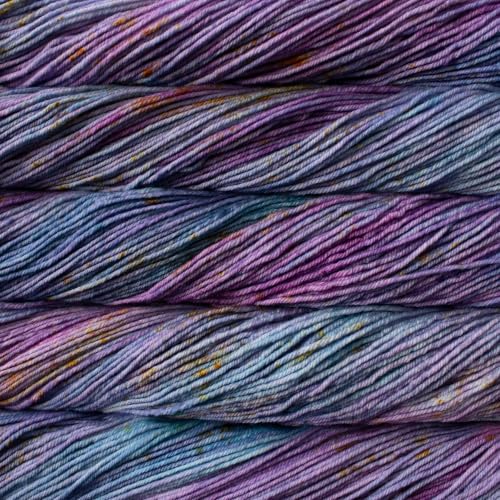
Malabrigo Rios
Superwash merino gives finished pieces a soft, plush drape. Hand dyed colors layer in a way solid dyed yarns cannot match. Machine washability keeps that luxury practical for everyday wear.
Pros
- Noticeably softer than acrylic or standard wool
- Rich, layered hand dyed colorways
- Superwash treatment simplifies care
Cons
- Costs more per skein than synthetic options
- Dye lots can vary between batches

Bernat Super Value
Smooth acrylic glides over needles, helping beginners keep even tension. Generous skein size means fewer trips back to the yarn aisle. Swatches and practice projects cost little to attempt.
Pros
- Smooth surface eases needle movement
- Large skeins stretch a beginner budget further
- Low risk for practicing new stitch patterns
Cons
- Slight synthetic sheen compared to natural fibers
- Less warmth than wool blend yarns

Caron Simply Soft
Silky finish gives garments and baby items a fluid drape. Some knitters notice extra slip on smooth metal needles. Skin contact feels comfortable, which suits scarves and blankets alike.
Pros
- Silky texture feels comfortable against skin
- Fluid drape suits garments and blankets
- Gentle enough for baby items
Cons
- Can slip on smooth or slick needles
- Softer stitch definition than wool blends

Patons Classic Wool Worsted
Pure wool blocks into crisp, defined stitches, which suits cables and colorwork. Felting happens on purpose or by accident, since this yarn is not superwash treated. Hand washing keeps the fiber intact between wears.
Pros
- Crisp stitch definition for cables and colorwork
- Blocks cleanly into finished shape
- Warm natural fiber with no synthetic content
Cons
- Requires hand washing, not machine safe
- Some knitters find the texture scratchy

Cascade 220 Superwash
Superwash merino pairs even stitch definition with machine washable care. Sweaters and cardigans knit from this yarn hold their shape wash after wash. A wide, saturated color palette suits planned garment projects.
Pros
- Even stitch definition across garments
- Machine washable despite being pure wool
- Broad palette of saturated solid colors
Cons
- Fabric can relax and soften after washing
- Priced higher than acrylic alternatives
How they compare
| # | Model | Fiber | Best for | Score | Price |
|---|---|---|---|---|---|
| 1 | Lion Brand Wool-Ease | 80 percent acrylic, 20 percent wool | Best overall | 9.3 | Check price |
| 2 | Red Heart Super Saver | 100 percent acrylic | Best value | 9.0 | Check price |
| 3 | Malabrigo Rios | 100 percent superwash merino | Best for luxury softness | 8.8 | Check price |
| 4 | Bernat Super Value | 100 percent acrylic | Best for beginners | 8.6 | Check price |
| 5 | Caron Simply Soft | 100 percent acrylic | Best for drape and baby items | 8.4 | Check price |
| 6 | Patons Classic Wool Worsted | 100 percent wool | Best for colorwork and cables | 8.2 | Check price |
| 7 | Cascade 220 Superwash | 100 percent superwash merino | Best for washable sweaters | 8.0 | Check price |
What to look for
What yarn fiber is best for knitting? Acrylic yarns such as Red Heart Super Saver cost little, wash easily and resist wear on heavy use items. Pure wool like Patons Classic Wool warms better and blocks into crisper stitches, though most types need hand washing. Blends such as Wool-Ease split the difference, adding washability to wool’s warmth. Match fiber choice to how a finished piece gets used and cleaned.
Does yarn weight matter for your pattern? Patterns list a recommended weight, and worsted covers every yarn compared here. Swapping in a heavier or lighter yarn shifts gauge and changes the finished size. Knit a small swatch first and count stitches per inch before committing full skeins to a project. Gauge mismatches waste yarn and time on larger pieces like sweaters.
Superwash or hand wash: which yarn fits your routine? Superwash wool, including Malabrigo Rios and Cascade 220 Superwash, tolerates gentle machine cycles that suit gifts and everyday garments. Untreated wool felts under agitation, so it belongs in hand wash only pieces or intentional felting projects. Picking the wrong care type can shrink a finished sweater by a full size. Check the yarn label before you commit hours to knitting it.
Best yarn for beginners versus advanced colorwork New knitters benefit from smooth, light colored acrylics like Bernat Super Value, since pale shades make stitches easy to see. Advanced knitters tackling cables or stranded colorwork often prefer Patons Classic Wool for its crisp stitch definition. Buy a little extra yardage from one dye lot, since hand dyed lines like Malabrigo shift shade between batches. Matching yarn to skill level and project type avoids frustration mid project.
Frequently asked questions
What is the best yarn for a beginner knitter?
Smooth, light colored worsted acrylics such as Bernat Super Value or Lion Brand Wool-Ease work well. Pale colors make stitches easy to see, and smooth fiber glides over needles while you learn.
Is acrylic or wool better for knitting?
Neither wins outright. Acrylic costs less, washes in a machine and resists wear, while wool breathes better and blocks into crisper stitches. Blends like Wool-Ease combine both strengths in one skein.
What does superwash mean on a yarn label?
Superwash wool has been treated to resist felting, so it can go through a gentle machine cycle. That makes it practical for gifts and garments that need easier care than raw wool.
How much yarn do you need for a sweater or blanket?
Yardage depends on the pattern, your gauge and the finished size, and most patterns list an estimate. Buy a little extra from the same dye lot so a color mismatch does not interrupt the project.
Which yarn feels softest against skin?
Merino options like Malabrigo Rios and smooth acrylics like Caron Simply Soft rank among the softest here. Both suit sweaters, scarves and baby items worn close to skin.
Can hand knit items go in the washing machine?
Only if the yarn allows it. Superwash wool and most acrylics handle a gentle cycle, while untreated wool such as Patons Classic Wool needs hand washing to avoid felting.
What yarn weight do most knitting patterns call for?
Worsted weight shows up most often, and every yarn compared here falls into that category. It suits hats, sweaters, blankets and scarves without major gauge adjustments.
Does pricier yarn knit up better than budget yarn?
Not automatically. Premium wools like Malabrigo Rios feel luxurious and show color with more depth, but a budget acrylic like Red Heart Super Saver holds up better under heavy daily use. Match price to the project’s purpose.
Wool or acrylic for baby blankets?
Acrylic often wins for baby items because it withstands frequent, hot machine washing without felting or shrinking. Caron Simply Soft adds a silky hand that stays gentle against a baby’s skin.
Which yarn works best for cables and colorwork?
Patons Classic Wool holds crisp, defined stitches that make cable twists and stranded colorwork pop. Its wool fiber blocks cleanly, which sharpens pattern detail after washing.
The bottom line
Lion Brand Wool-Ease remains the safest everyday pick, pairing warmth with machine washable care and a beginner friendly feel. Choose Red Heart Super Saver for high yardage projects on a budget, and reach for Malabrigo Rios when a piece deserves genuine softness and rich color depth.
Jake Monroe
Jake worked as a residential contractor for over a decade before shifting to full-time writing. He evaluates power tools, hand tools and workshop gear through the lens of someone who has actually used them on job sites, not just read the box.