Top Wood Stains for Every Project and Finish
For most woodworkers and DIYers, Minwax Wood Finish is the top pick because it delivers rich, even color on interior projects and is widely available. Its main advantage is the versatile oil-based formula that penetrates deeply and offers a huge range of colors. The main limitation is the strong odor and longer drying time compared to water-based options.
Wood stain transforms plain lumber into a beautiful, finished piece. The right stain enhances grain, adds color, and protects the wood. But with so many formulas, choosing one can be tricky.
We compared top-rated stains based on their intended use, finish clarity, and user satisfaction. Whether you’re staining a deck, refinishing furniture, or crafting a small project, this guide helps you find the best match.
What we recommend
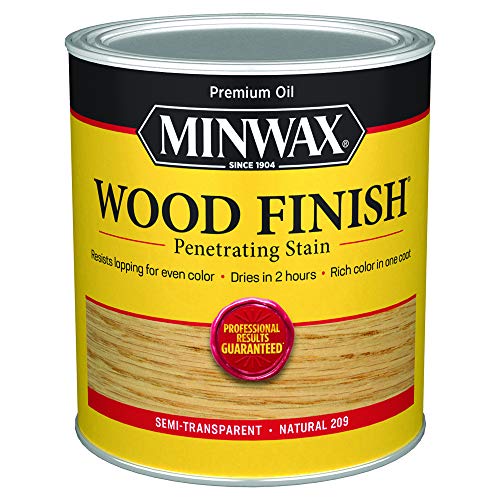
Minwax Wood Finish
A classic oil-based stain that penetrates deeply, offering rich, even color and a wide range of shades. It is easy to apply with a cloth or brush and provides a durable finish when top-coated.
Pros
- Rich, permanent color
- Easy to apply evenly
- Wide color selection
Cons
- Strong odor and requires mineral spirits for cleanup
- Longer drying time
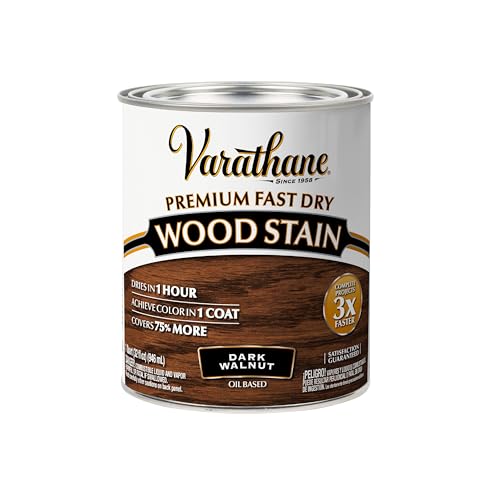
Varathane Premium Wood Stain
A water-based stain that dries quickly and cleans up with soap and water. It provides excellent color uniformity and can be used on interior and exterior projects, though it raises grain more than oil-based.
Pros
- Low odor and easy cleanup
- Fast drying
- Excellent for even color
Cons
- Raises wood grain
- Less penetrating than oil-based

Ready Seal Exterior Wood Stain
A semi-transparent exterior stain that applies easily without streaks or runs. It penetrates deep to protect against weathering and UV damage, and it can be applied to damp or dry wood.
Pros
- No streaks or laps
- Can be applied in direct sun
- Excellent UV protection
Cons
- Limited color range
- Requires multiple coats for darker shades

Old Masters Gel Stain
A thick gel stain that stays where you put it, making it ideal for vertical surfaces, intricate carvings, and veneer. It provides a smooth, even color without brush marks or blotching.
Pros
- No drips or runs
- Hides flaws and blotching
- Works on non-wood surfaces too
Cons
- Requires more coats for deep color
- Slower drying

Minwax PolyShades
A unique product that combines stain and polyurethane in one step. It adds color and a protective finish simultaneously, saving time. Best for touch-ups and projects where you want to skip separate topcoat.
Pros
- Saves time with combined stain and finish
- Provides durable protection
- Easy to apply with a brush
Cons
- Less control over final color
- Can be tricky to apply evenly
Rust-Oleum Ultimate Wood Stain
An affordable water-based stain that still gives a rich, even color. It is low odor and cleans up easily, making it a good choice for beginners or small projects.
Pros
- Affordable
- Low odor
- Easy cleanup
Cons
- May require more coats for deep color
- Raises grain
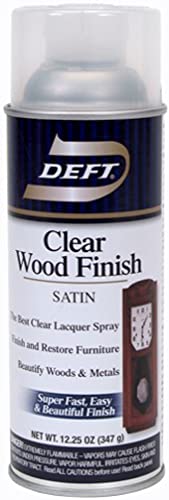
Deft Clear Wood Finish
This product is a sanding sealer that can also be used as a light stain or pre-stain conditioner. It helps achieve a smooth finish by preventing blotching on soft woods like pine.
Pros
- Prevents blotching
- Dries very fast
- Sands easily
Cons
- Not a heavy-duty stain
- Limited color range
How to pick the right one
How they compare
| # | Model | Base | Best for | Score | Price |
|---|---|---|---|---|---|
| 1 | Minwax Wood Finish | Oil | Interior wood projects and furniture | 9.4 | Check price |
| 2 | Varathane Premium Wood Stain | Water | One-coat coverage and fast drying | 9.2 | Check price |
| 3 | Ready Seal Exterior Wood Stain | Oil | Fences and decks | 9.0 | Check price |
| 4 | Old Masters Gel Stain | Oil | Vertical surfaces and detail work | 8.9 | Check price |
| 5 | Minwax PolyShades | Oil | One-step stain and finish | 8.7 | Check price |
| 6 | Rust-Oleum Ultimate Wood Stain | Water | Budget-friendly projects | 8.5 | Check price |
| 7 | Deft Clear Wood Finish | Nitrocellulose | Sanding sealers and light tints | 8.2 | Check price |
Good to know
What is the difference between oil-based and water-based wood stain?
Oil-based stains penetrate deeper, provide richer color, and are more durable, but they have strong odors and require mineral spirits for cleanup. Water-based stains dry faster, have low odor, and clean up with soap and water, but they may raise the grain and offer less penetration.
How long should I wait before applying a topcoat after staining?
Check the stain label, but typically oil-based stains need 8 to 24 hours, while water-based stains can be coated in 1 to 2 hours. Always allow the stain to dry completely to avoid blotching and adhesion issues.
Can I use exterior wood stain indoors?
Yes, but exterior stains often have more VOCs and stronger odors. They contain additives for UV and weather protection that are unnecessary indoors. For interior projects, choose a stain labeled for interior use.
How do I prevent wood stain from blotching on pine?
Apply a wood conditioner or pre-stain sealer before staining. This helps seal the porous areas and promotes even absorption. Gel stains also work well on pine because they sit on the surface rather than soaking in unevenly.
What is the best way to apply wood stain?
Use a high-quality brush, a lint-free cloth, or a foam brush for small areas. Work in sections, apply a generous coat, and wipe off the excess with a clean cloth. For large flat areas, a stain pad or sprayer can speed up the process.
Can I stain over existing paint or varnish?
Stain penetrates wood and will not adhere well to paint or sealed surfaces. You must strip the old finish and sand down to bare wood before staining. Gel stains can be used over existing finishes but with limited effect; they are better for touch-ups.
How many coats of wood stain should I apply?
Typically one coat gives a medium tone, and a second coat darkens the color. More than two coats may not deepen the color significantly because the wood becomes saturated. For deeper color, consider using a darker shade initially.
Is wood stain waterproof?
No, most wood stains are not waterproof. They add color and some protection, but a separate topcoat like polyurethane or exterior varnish is necessary to make the wood water-resistant. Some exterior stains combine water repellents, but they still need periodic maintenance.
Can I use wood stain on MDF or plywood?
Yes, but these materials do not have natural grain and may absorb stain unevenly. Apply a wood conditioner first or use a gel stain. For plywood, choose a high-grade veneer with a nice grain pattern for best results.
How do I clean brushes after using oil-based stain?
Clean brushes with mineral spirits or paint thinner, then wash with soap and water. Dispose of rags properly; oil-based stains can spontaneously combust if left piled up. Allow rags to dry flat or soak in water before disposal.
The bottom line
For most interior woodworking projects, choose Minwax Wood Finish for its dependable performance and extensive color palette. If you are working on a deck or fence, Ready Seal is the best exterior option due to its easy application and durability. For a quick project with minimal fumes, Varathane Premium Wood Stain is a solid water-based choice. Budget-conscious DIYers can rely on Rust-Oleum Ultimate Wood Stain for small jobs. Ultimately, the right stain matches your project type and environment.
Jake Monroe
Jake worked as a residential contractor for over a decade before shifting to full-time writing. He evaluates power tools, hand tools and workshop gear through the lens of someone who has actually used them on job sites, not just read the box.