Wetsuit picks for surfing, diving and open water
O’Neill Reactor-2 3/2mm leads for general outdoor water use, pairing flatlock seams with a back zip you can reach alone. Rip Curl Dawn Patrol 3/2 seals far better across long surf sessions. Xcel Axis 4/3 takes over once water drops toward 50 degrees Fahrenheit.
O’Neill Reactor-2 in 3/2mm fits most people swimming, paddling or surfing between roughly 58 and 68 degrees Fahrenheit. Flatlock seams lie flush under the arms and rarely chafe over a long session. Water seeps through those same stitch holes, which rules the suit out for a cold winter morning.
Three decisions settle a wetsuit before brand enters the picture. Thickness sets the temperature range, seam type sets how much water leaks in, and zip placement decides whether you can suit up alone. We compared those specs against stretch panel placement and published size charts, then read owner feedback on flush, neck fit and seam wear.
The shortlist, ranked

O’Neill Reactor-2 3/2mm Back Zip Full Wetsuit
Three millimetres through the torso and two at the limbs covers the water most people actually swim in. Flatlock seams sit flat against skin, a difference swimmers feel across a long set more than surfers do. Back zip entry works without a second pair of hands, and FluidFlex shoulder panels keep the stroke open.
Pros
- Long zip leash reaches over one shoulder
- Flat seams resist chafe on repeated swims
- Stretch shoulder panels free up paddling
Cons
- Stitched seams let water seep through
- Too thin once water hits the mid 50s
Rip Curl Dawn Patrol 3/2 Chest Zip Wetsuit
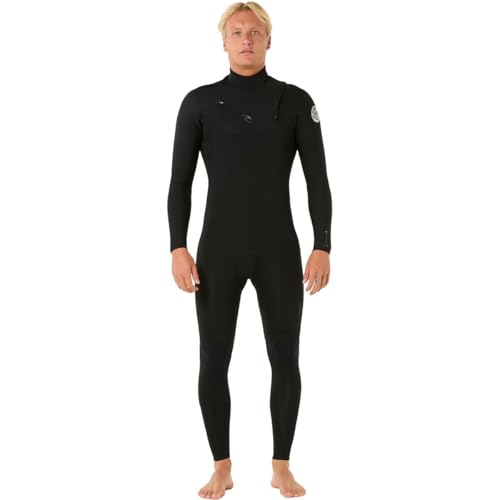
Chest zip entry removes the long spine opening that flushes cold water during a wipeout. Glued and blindstitched seams cut leakage further, holding warmth across a two hour session. Wriggling in takes more effort than a back zip, which is the trade for that seal.
Pros
- Chest zip blocks the biggest flush point
- Sealed seams hold heat through long sessions
- Stretches a 3/2 suit into autumn surf
Cons
- Entry takes practice to get smooth
- Chest panel restricts some overhead strokes

Xcel Axis 4/3 Full Wetsuit
Four millimetres across the torso adds real insulation once water falls into the low 50s. Glued and blindstitched seams stop the seepage that would cancel out the extra neoprene. Bulk is the obvious cost, and shoulders move less freely than in any 3/2 suit here.
Pros
- Rated down toward 50 degrees Fahrenheit
- Blindstitched seams block cold seepage
- Thermal lining dries faster between sessions
Cons
- Shoulder rotation tightens compared with a 3/2
- Overheats above roughly 62 degrees
NeoSport 3mm Full Wetsuit
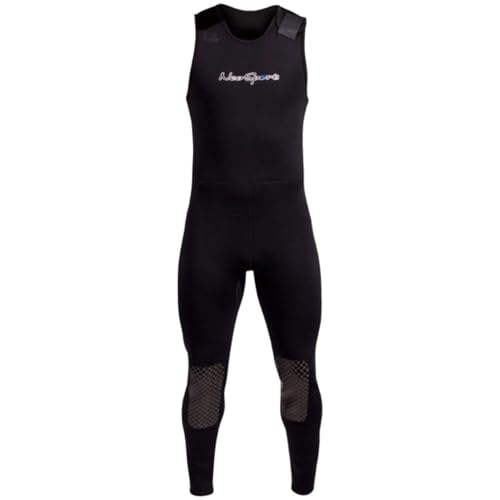
Uniform 3mm neoprene with flatlock seams makes a plain suit for snorkelling, kayaking and warm season swims. Sizing runs to 5XL with separate tall and short cuts, solving a real problem for builds the surf brands skip. A YKK back zipper and long pull handle solo entry.
Pros
- Size chart covers tall and larger builds
- YKK zipper resists salt water corrosion
- Even 3mm panels suit warm season use
Cons
- Flatlock seams leak more than sealed ones
- Neoprene feels stiffer than premium suits

Roxy Prologue 3/2 Back Zip Wetsuit
Cut to a female torso length, so the small of the back does not gap the way a unisex suit often can. A 3mm core with 2mm limbs matches the same 58 to 68 degree window as the Reactor-2. Flatlock seams keep long paddles comfortable, with the usual seepage in return.
Pros
- Torso proportions cut lower back gaping
- Shoulders stay loose through repeated paddling
- Long zip leash makes solo entry simple
Cons
- Stitched seams flush in colder water
- Best kept to the warmer half of the year

Cressi Morea 3mm Wetsuit
Ultraspan neoprene stretches further than standard 3mm, which matters when you pull a suit on over a rocking boat deck. Preformed knees and an anatomical cut stop the bunching divers get behind the joints. Cressi builds this one for warm water, so treat 3mm as the whole thermal story.
Pros
- Stretch neoprene pulls on quickly
- Preformed knees suit kneeling on a dive platform
- Anatomical cut reduces bunching when finning
Cons
- Warm water use only
- Back zip flushes on surface dives

Lemorecn 3mm Full Wetsuit
Plain 3mm construction with flatlock seams and a back zip covers summer swims, paddleboarding and the occasional snorkel. Neoprene runs stiffer than the branded suits here, so shoulders work harder on every stroke. Anyone still deciding whether open water suits them will find that a fair compromise.
Pros
- Handles summer swimming and paddling
- Reinforced knees survive board contact
- Size chart spans men and women
Cons
- Stiff panels limit shoulder rotation
- Seams wear faster than glued construction
How to pick the right one
How to choose neoprene thickness Wetsuit labels carry two numbers, such as 3/2, meaning 3mm across the torso and 2mm at the arms and legs. Thicker core panels hold heat where blood flow matters most, while thinner limbs preserve movement. A 3/2 suit covers roughly 58 to 68 degrees Fahrenheit for most adults. Drop into the low 50s and 4/3 becomes the right answer, which is where the Xcel Axis sits. Body composition shifts these windows by several degrees, and session length counts as much as the water reading.
Seams and zips decide how much water gets in Flatlock stitching passes right through the neoprene, leaving small holes that seep. Those seams stay flat and comfortable, which is why they dominate suits used above about 60 degrees. Glued and blindstitched seams stop short of the far side, so far less water crosses the panel. Zip placement works on the same logic: a chest zip such as the Dawn Patrol keeps the flush off your spine, while a back zip trades that seal for the ability to suit up without help. Neck seal quality matters too, since most cold water arrives from the collar down.
Best wetsuit for surfing and long paddle sessions Surfing hammers the shoulders with constant paddling and dunks the back on every wipeout. Both facts argue for sealed seams and a chest zip, which is why the Rip Curl Dawn Patrol ranks where it does. Look for stretch panels across the upper back, because a stiff suit taxes energy on every stroke. Size snug if you surf into autumn, since a loose suit pumps cold water through with each duck dive. Rinse in fresh water after every session and the seams outlast the neoprene’s stretch.
Snorkelling, diving and open water swimming Divers hang still in the water, so insulation beats stretch for them. Preformed knees on the Cressi Morea pay off in kneeling positions that a surf cut never considers. Open water swimmers want the opposite priorities: free shoulders and low seam bulk under the arms. Flatlock seams earn their place for exactly that reason. Doing all three sports means compromising somewhere, and a 3/2 flatlock suit like the Reactor-2 is the sensible middle. Anyone who only snorkels in warm water should skip the surf suits and save the bulk.
How they compare
| # | Model | Thickness | Best for | Score | Price |
|---|---|---|---|---|---|
| 1 | O’Neill Reactor-2 3/2mm Back Zip Full Wetsuit | 3/2 mm | Best overall | 9.4 | Check price |
| 2 | Rip Curl Dawn Patrol 3/2 Chest Zip Wetsuit | 3/2 mm | Best for surfing | 9.1 | Check price |
| 3 | Xcel Axis 4/3 Full Wetsuit | 4/3 mm | Best for cold water | 9.0 | Check price |
| 4 | NeoSport 3mm Full Wetsuit | 3 mm | Best value | 8.8 | Check price |
| 5 | Roxy Prologue 3/2 Back Zip Wetsuit | 3/2 mm | Best for women | 8.6 | Check price |
| 6 | Cressi Morea 3mm Wetsuit | 3 mm | Best for snorkelling and diving | 8.4 | Check price |
| 7 | Lemorecn 3mm Full Wetsuit | 3 mm | Best budget | 8.0 | Check price |
Good to know
What thickness wetsuit do I need?
A 3/2 suit covers roughly 58 to 68 degrees Fahrenheit, which spans most of the temperate swimming season. Below that window, a 4/3 like the Xcel Axis is the right step up. Uniform 3mm suits such as the NeoSport fit warm water and shorter sessions.
Is a chest zip or back zip wetsuit better?
Chest zips seal better and stop the cold flush down the spine, which surfers notice on the first wipeout. Back zips are far easier to enter alone and suit swimmers and snorkellers. Decide by whether warmth or convenience matters more on your usual day out.
How tight should a wetsuit fit?
Snug enough that only a thin film of water enters and then warms against skin. Loose suits pump cold water through with every movement. Breathing and shoulder rotation must stay easy, but no wrinkles should sit at the lower back.
What is the difference between flatlock and blindstitched seams?
Flatlock stitching goes right through the panel, leaving a flat comfortable seam that seeps slightly. Glued and blindstitched seams stop short of the far side and stay far drier. Cold water pushes you toward blindstitched construction every time.
Can I wear a wetsuit for open water swimming?
Yes, and a 3/2 with flatlock seams usually feels best because those seams lie flat under the arms. Shoulder flexibility outranks every other feature for swimmers. Race organisers sometimes set their own thickness rules, so check the event listing first.
How do I stop water flushing into my wetsuit?
Fix the fit first, since gaps at the neck, wrists and ankles are where cold water arrives. A chest zip design such as the Dawn Patrol closes the largest remaining opening. Sealed seams handle whatever is left.
How long does a wetsuit last?
Several seasons, provided you rinse it in fresh water and dry it out of direct sun. Neoprene cells compress with use and slowly lose stretch and insulation. Seams normally fail before the panels do, and flatlock stitching wears faster than glued seams.
Which wetsuit is best for women?
A women’s specific cut such as the Roxy Prologue 3/2 matches torso length better than a unisex suit and reduces lower back gaping. Thickness rules do not change with cut. NeoSport covers taller and larger builds through its 5XL range.
Do I need a wetsuit for summer paddleboarding?
Air temperature misleads people here; falling into 60 degree water is what matters. A 3mm suit like the Lemorecn covers those falls without cooking you upright on the board. Warm lakes above 70 degrees usually call for a shorty or nothing at all.
The bottom line
O’Neill Reactor-2 3/2mm is the suit to buy for general outdoor water use, since it covers the temperature window most people swim in and goes on without help. Surfers chasing autumn swell should move up to the Rip Curl Dawn Patrol chest zip, which keeps the flush out when a wave puts them over the falls. Warm water snorkellers and divers get more from the Cressi Morea and its preformed cut.
Derek Holt
Derek has a background coaching recreational and amateur athletes and has worked the sales floor at specialty fitness retailers. He focuses on equipment durability, ergonomics and realistic use cases rather than marketing claims.