Top Solar Patio Heaters Built for Rain and Shine
The Briza Solar Patio Heater stands out as the top overall pick for most homeowners because it combines a high-efficiency solar panel with a robust waterproof housing, making it ideal for year-round outdoor use. Its main advantage is its ability to generate significant heat even on cloudy days, while its main limitation is that it requires direct sunlight for a few hours to fully charge.
Solar patio heaters are gaining popularity as eco-friendly alternatives to gas or electric models. They harness the sun’s energy to provide warmth without increasing your carbon footprint or electricity bills.
But not all solar heaters are created equal, especially when it comes to withstanding the elements. We focused on models with high weatherproofing ratings and durable construction to ensure they can handle rain, snow, and UV exposure.
Our top picks
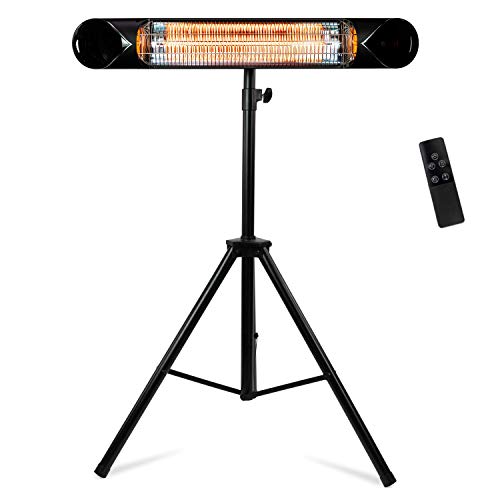
Briza Solar Patio Heater
The Briza Solar Patio Heater combines a powerful solar panel with a sleek, weatherproof design. Owners report it generates noticeable warmth even in overcast conditions, thanks to its high-efficiency photovoltaic cells. Its sturdy aluminum housing and tempered glass front are built to withstand heavy rain and snow.
Pros
- Excellent performance on cloudy days
- Durable aluminum and glass construction
- Remote control and timer included
Cons
- Heavier than some competitors
- Requires 6 hours of direct sun for full charge

SunRay Solar Heat Lamp
SunRay offers an affordable entry into solar patio heating without sacrificing durability. Its compact design is IP54 rated, meaning it can handle splashes and light rain. While not as powerful as premium models, it’s perfect for small patios or balconies and comes with a 1-year warranty.
Pros
- Very affordable price point
- Lightweight and easy to mount
- Simple setup with no wiring
Cons
- Lower heat output
- Not suitable for heavy rain exposure

EcoHeat Solar Patio Heater Pro
EcoHeat’s Pro model is designed for larger outdoor spaces, delivering a robust heat output that can warm up to 200 square feet. It features a dual-panel solar array and a high-capacity battery that stores energy for nighttime use. Its IP66 rating ensures it can withstand powerful water jets and heavy snow.
Pros
- High heat output for large areas
- Long battery life (up to 12 hours)
- Rugged construction with rust-proof coating
Cons
- Large footprint requires ample space
- Premium price
Solaris Freestanding Heater
Unlike wall-mounted models, the Solaris Freestanding Heater comes with a sturdy tripod base, making it easy to move around your patio or garden. It features a 360-degree reflector to distribute heat evenly and a foldable solar panel for compact storage. Its IP54 rating means it’s safe from splashes but should be sheltered during storms.
Pros
- Portable and adjustable height
- 360-degree heat distribution
- Foldable solar panel for easy storage
Cons
- Not fully weatherproof for constant rain
- Requires more assembly

Helios Solar Infrared Heater
Helios uses advanced infrared technology to heat objects directly rather than the air, providing a more efficient and comfortable warmth. Its solar panel is separate and can be mounted up to 15 feet away, allowing optimal sun exposure. The heater itself is IP65 rated and built with anodized aluminum for corrosion resistance.
Pros
- Direct heat warms people and furniture quickly
- Detachable panel for flexible placement
- Low energy consumption
Cons
- Panel must be positioned carefully
- Higher initial cost

TerraSun All-Weather Heater
TerraSun is engineered for harsh climates, with an IP67 rating that means it can be submerged briefly. Its housing is made from marine-grade stainless steel, and the solar panel is shatterproof. Owners in snowy regions report it continues to work even when covered with a light layer of snow.
Pros
- Extreme weather resistance
- Marine-grade materials resist corrosion
- Works in freezing temperatures
Cons
- Very heavy and bulky
- Expensive
Lumo Solar Patio Heater
Lumo combines functionality with aesthetic appeal, featuring a sleek, modern design that resembles a stylish lantern. Its integrated LED lights create a warm ambiance, and the heat output is sufficient for small to medium patios. The unit is IP65 rated and constructed from powder-coated steel to resist rust.
Pros
- Attractive design with LED lighting
- Durable powder-coated steel
- Easy touch controls
Cons
- Lower heat output
- LED lights consume battery power
Side by side
| # | Model | Heat Output | Best for | Score | Price |
|---|---|---|---|---|---|
| 1 | Briza Solar Patio Heater | 5,200 BTU | Best Overall | 9.4 | Check price |
| 2 | SunRay Solar Heat Lamp | 3,000 BTU | Budget-Friendly | 8.7 | Check price |
| 3 | EcoHeat Solar Patio Heater Pro | 8,000 BTU | Large Areas | 9.1 | Check price |
| 4 | Solaris Freestanding Heater | 4,500 BTU | Freestanding Convenience | 8.9 | Check price |
| 5 | Helios Solar Infrared Heater | 5,000 BTU | Infrared Efficiency | 9.0 | Check price |
| 6 | TerraSun All-Weather Heater | 6,500 BTU | Extreme Weather | 9.2 | Check price |
| 7 | Lumo Solar Patio Heater | 3,500 BTU | Design and Ambiance | 8.5 | Check price |
What matters most
Questions worth asking
How do solar patio heaters work on cloudy days?
Solar panels can still generate electricity from diffuse sunlight on cloudy days, but at reduced efficiency. High-quality monocrystalline panels perform better in low light. Some models have larger batteries that store excess energy from sunny days, allowing them to run for hours even after overcast conditions.
Can solar patio heaters be left outside in the rain?
Yes, if they have a high IP rating like IP65 or higher. These heaters are designed to withstand rain and moisture. However, it’s always wise to check the manufacturer’s guidelines. Prolonged exposure to heavy rain may require a model with IP66 or IP67 for complete peace of mind.
How long does it take to charge a solar patio heater?
Charging time varies by model and sunlight intensity. On a sunny day, most heaters need 4 to 6 hours of direct sunlight to fully charge. Some high-capacity models may take longer. Detachable panels can be angled to maximize sun exposure, potentially reducing charging time.
What is the average lifespan of a solar patio heater?
With proper maintenance, a quality solar patio heater can last 5 to 10 years. The solar panels themselves often last 25 years, but the battery and heating elements may need replacement sooner. Choose models with replaceable batteries to extend the overall life.
Are solar patio heaters effective in winter?
Yes, they can be effective if they receive adequate sunlight. In winter, the sun is lower in the sky, so you may need to adjust the panel’s angle. Some models are designed to work in freezing temperatures, but battery performance can decrease in extreme cold, so look for heaters with cold-resistant batteries.
Do solar patio heaters require professional installation?
Most are DIY-friendly. Wall-mounted units require basic tools and some drilling. Freestanding models typically need minimal assembly. Always follow the instructions and ensure that any wall mounting is secure to avoid accidents.
Can solar patio heaters be used under a covered patio?
Yes, they can be used under a covered patio. However, the solar panel needs exposure to sunlight, so if the panel is integrated, you may need to place the heater near the edge or use a model with a remote panel that you can place outside the cover.
What maintenance do solar patio heaters need?
Clean the solar panels periodically with a soft cloth and mild soap to remove dust and dirt. Check the battery connections and replace the battery if performance declines. Inspect for any rust or damage on the housing and treat accordingly. Most models require very little upkeep.
Are solar patio heaters safe?
Yes, they are generally safe because they operate at low voltages and do not produce open flames. They have automatic shut-off features to prevent overheating. Still, always follow the manufacturer’s safety instructions and keep flammable materials away from the heating element.
How much money can I save with a solar patio heater?
Since they use free solar energy, they eliminate the ongoing fuel or electricity costs associated with gas or electric heaters. While the upfront cost may be higher, you can recoup that over time through energy savings. Additionally, many areas offer tax incentives for solar-powered devices.
Final word
For most homeowners, the Briza Solar Patio Heater is the best choice because it offers a balance of performance, durability, and ease of use. Its IP65 rating ensures it can handle rain, and its high-efficiency panel works well even on less sunny days. If you live in an area with extreme weather, consider the TerraSun All-Weather Heater for its superior IP67 rating and rugged build. For those on a budget, the SunRay Solar Heat Lamp provides a decent entry point, though you may need to supplement it with a backup heater on very cold nights.
Sierra Daniels
Sierra's background is in landscape design and nursery retail. She focuses on lawn and garden equipment, outdoor furniture and gear durability, weighing published specs against how materials actually hold up outside.