Weatherproof Raised Garden Beds Built for Backyard Storms
For most backyards, the Best Choice Products Cedar Raised Garden Bed earns the top spot because it combines rot-resistant cedar with a simple assembly, all at a price that works for casual gardeners. Its main limitation is that cedar will eventually gray and may need sealing after a few seasons, but it still outlasts untreated pine beds by years.
A raised garden bed sitting in your backyard faces relentless weather: soaking rains, scorching sun, and freezing winters. If you pick a flimsy or untreated bed, you will be replacing it within two years. That is why we compared weatherproof models that are built to last.
The beds below are all currently sold on Amazon and chosen for their ability to resist rot, rust, and warping. We considered real owner feedback and spec sheets, not marketing hype, to give you a clear comparison.
The top picks, ranked
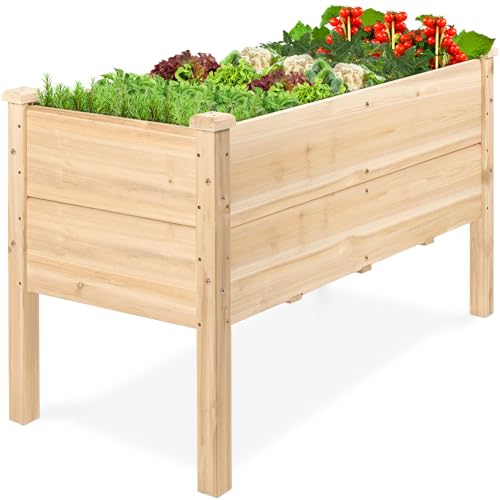
Best Choice Products Cedar Raised Garden Bed
This cedar bed offers a classic look with naturally rot-resistant wood. It is easy to assemble with interlocking corners, and the open bottom allows drainage while keeping soil contained.
Pros
- Natural rot resistance
- Simple tool-free assembly
- Attractive wood grain
Cons
- Cedar will gray over time
- Shallow depth for deep-rooted plants

Keter City Planter Raised Garden Bed
Made from weatherproof polypropylene resin, this bed never rots, rusts, or fades. It features a self-watering reservoir and a stylish wicker look that suits modern patios.
Pros
- Virtually maintenance-free
- Self-watering base
- Lightweight and movable
Cons
- Plastic may look less natural
- Costlier than basic wood beds
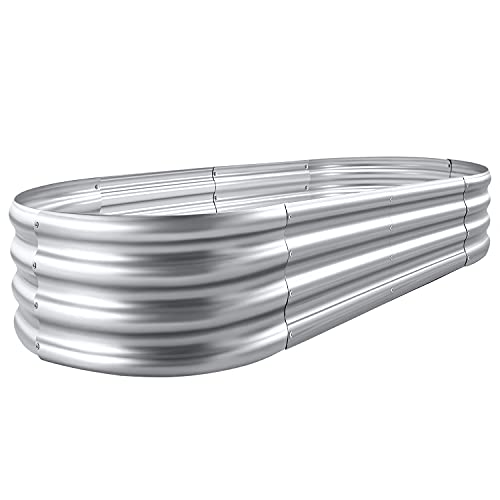
Maggie’s Farm Galvanized Raised Garden Bed
This galvanized steel bed is built to withstand decades of weather. The corrugated design adds strength, and the rolled edges protect against cuts. It elevates planting to a comfortable height.
Pros
- Extremely durable and rust-resistant
- Modular design allows expansion
- Open bottom for drainage
Cons
- Heat can build up in summer
- Sharp edges if not rolled (but this one has rolled)

Cedar Craft Raised Garden Bed (Untreated Western Red Cedar)
Crafted from thick Western Red Cedar, this bed offers superior natural resistance to decay and insects. The mortise and tenon joints create a sturdy frame that stays square for years.
Pros
- Premium cedar lasts longer
- Strong joinery
- Elegant appearance
Cons
- Higher price point
- Heavier and harder to move
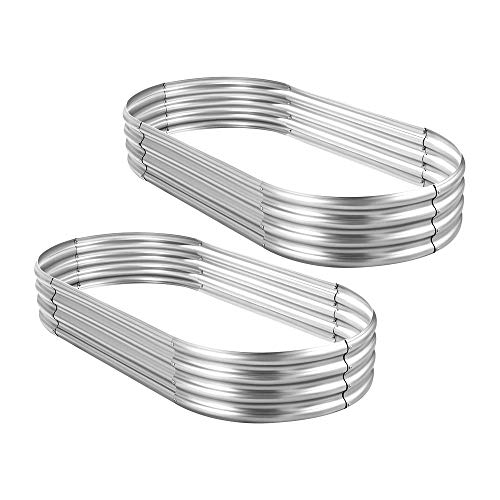
Titan Aluminum Raised Garden Bed
Aluminum never rusts and stays cool to the touch, making it ideal for hot climates. This bed snaps together quickly and looks sleek in any backyard.
Pros
- Rustproof and lightweight
- No tools needed
- Modern aesthetic
Cons
- Dents more easily than steel
- Can be pricey per square foot
Suncast 6x2x1 Cedar Stone Raised Garden Bed
This resin bed mimics the look of natural stone but weighs a fraction of the real thing. It is fade and crack resistant, and the panels lock together without tools.
Pros
- Lightweight and easy to move
- No maintenance needed
- Attractive stone finish
Cons
- Not as sturdy as wood or metal
- Can flex under heavy soil

Yaheetech 8x2x1 Galvanized Steel Raised Garden Bed
If you need a long bed for vegetables, this 8-foot galvanized steel option offers ample planting space. It features a double-layer design for added strength and a classic corrugated look.
Pros
- Huge planting area
- Sturdy construction
- Rust resistant
Cons
- May require two people to assemble
- Soil volume may be heavy for some spots
Before you buy
How they compare
| # | Model | Material | Best for | Score | Price |
|---|---|---|---|---|---|
| 1 | Best Choice Products Cedar Raised Garden Bed | Cedar Wood | Best Overall Cedar Bed | 9.4 | Check price |
| 2 | Keter City Planter Raised Garden Bed | Polypropylene Resin | Most Weatherproof Plastic | 9.1 | Check price |
| 3 | Maggie’s Farm Galvanized Raised Garden Bed | Galvanized Steel | Best Galvanized Steel | 9.2 | Check price |
| 4 | Cedar Craft Raised Garden Bed (Untreated Western Red Cedar) | Western Red Cedar | Premium Cedar Choice | 9.0 | Check price |
| 5 | Titan Aluminum Raised Garden Bed | Aluminum | Best Lightweight Metal | 8.8 | Check price |
| 6 | Suncast 6x2x1 Cedar Stone Raised Garden Bed | Resin | Best Resin Stone Look | 8.5 | Check price |
| 7 | Yaheetech 8x2x1 Galvanized Steel Raised Garden Bed | Galvanized Steel | Best Large Capacity | 8.2 | Check price |
Frequently asked questions
What is the best material for a weatherproof raised garden bed?
Galvanized steel and cedar are top choices. Steel lasts decades without rust, while cedar naturally resists rot. Both handle rain and snow well. Resin and aluminum are also good, but steel offers the best balance of durability and value.
Do raised garden beds need a bottom?
Most raised beds are open at the bottom to allow drainage and root growth into the ground. If you place them on a hard surface like concrete, you need a bottom or a liner to contain soil. Some kits include a bottom panel for that purpose.
How do I protect a wooden raised bed from rot?
Choose rot-resistant wood like cedar or redwood. You can also apply a food-safe sealant to the interior and exterior. Ensure good drainage and avoid direct soil contact with untreated wood. Lining the inside with plastic can help, but it may trap moisture.
Can galvanized steel beds get too hot for plants?
In very hot climates, the metal can heat up and stress roots. To mitigate, line the inside with cardboard or a barrier, and water consistently. Some gardeners paint the exterior white to reflect heat. In most regions, it is not a major issue.
How deep should a raised bed be for vegetables?
For most vegetables, 12 inches is sufficient. For deep-rooted crops like carrots or potatoes, go at least 18 inches. If you are building over concrete, you need at least 12 inches, but 18 to 24 inches is better for root health.
Are plastic raised garden beds safe for growing food?
Yes, as long as they are made from food-safe plastics like HDPE or polypropylene. Avoid PVC and other harmful plastics. Look for products labeled as food-safe or UV-stabilized to ensure they won’t leach chemicals.
How long will a galvanized steel raised bed last?
Galvanized steel can last 20 to 30 years or more, depending on the gauge and environment. The zinc coating protects against rust. Scratches can expose the steel, so treat any damage promptly to prevent corrosion.
Do I need to line the bottom of a raised bed?
Lining the bottom with landscape fabric or cardboard helps prevent weeds and soil erosion. It also keeps burrowing pests out. However, avoid plastic liners that block drainage. Use a permeable barrier that allows water to escape.
What is the best size for a backyard raised bed?
A 4×2 or 4×4 foot bed is easy to reach from all sides and fits most yards. A 6×2 or 8×2 is great for larger spaces. Depth should be at least 12 inches. Consider your reach and available space when choosing.
Can I leave my raised bed outside in winter?
Yes, most weatherproof beds are designed to withstand freezing. Metal and wood can handle cold, but plastic may become brittle. To extend life, empty the soil or cover the bed. Ensure drainage to avoid ice damage.
The bottom line
For most gardeners, the Best Choice Products Cedar Raised Garden Bed offers the perfect mix of durability, aesthetics, and value. If you live in a very wet or harsh climate, upgrade to the Maggie’s Farm Galvanized Steel bed for ultimate rust resistance. Both will keep your vegetables thriving season after season.
Sierra Daniels
Sierra's background is in landscape design and nursery retail. She focuses on lawn and garden equipment, outdoor furniture and gear durability, weighing published specs against how materials actually hold up outside.


