Waterproof Jackets That Hold Up in Real Downpours
The North Face Antora suits most rainy days with sealed seams and a fair price. Patagonia’s Torrentshell 3L trades weight for tougher three layer fabric on long trips. For fast and light hikes, Outdoor Research’s Helium packs down to fist size without giving up a taped seam finish.
Rain finds every unsealed seam and thin panel a jacket has. The North Face Antora covers most commutes and day hikes with taped seams and a DryVent membrane at a reasonable cost. Patagonia’s Torrentshell 3L adds a burlier three layer build for people who stay out in sustained rain. Ultralight hikers who count grams should reach for the Outdoor Research Helium instead, since it disappears into a pack.
A high waterproof number means little if the seams leak or the fabric traps sweat like a bag. We compared membrane ratings, seam taping, layer construction and packed size, then weighed owner reports on how each holds up after repeated wet outings and washes.
The shortlist, ranked

The North Face Antora Rain Jacket
A 2.5 layer DryVent shell with fully taped seams keeps steady rain out on commutes and day hikes. An adjustable hood and hem let you seal drafts when wind drives the rain sideways. Owners note the recycled fabric feels less clammy than older coated shells during active use.
Pros
- Taped seams block driving rain reliably
- Recycled fabric breathes better than older PU coatings
- Adjustable hood and hem seal out wind
Cons
- No pit zips for heavy exertion
- Hood does not stow into the collar

Patagonia Torrentshell 3L Rain Jacket
Three layer H2No fabric resists abrasion from pack straps and brush better than lighter 2.5 layer shells. Pit zips dump heat on climbs, and the fabric is bluesign approved. Long term owners report the coating stays reliable across several seasons of regular wear.
Pros
- Three layer fabric shrugs off abrasion
- Pit zips vent heat on steep climbs
- Durable coating holds up across seasons
Cons
- Heavier than 2.5 layer rivals here
- Packs bulkier into a daypack
Columbia Watertight II Rain Jacket
Omni-Tech fabric with sealed seams handles rainy commutes and errands at a low entry cost. The jacket packs into its own hand pocket, so it stows in a bag or glovebox. Reviewers pick it as a first rain shell that covers casual use without a technical price.
Pros
- Low cost entry into a sealed rain shell
- Packs into its own pocket for storage
- Simple cut works for town and light trails
Cons
- Seams sealed only at critical joints
- Fabric feels warmer during hard effort
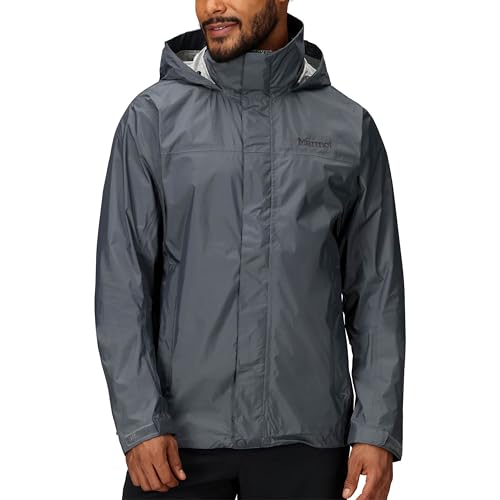
Marmot PreCip Eco Rain Jacket
The PreCip Eco uses a NanoPro membrane and pit zips to balance rain protection with airflow. It rolls into its own pocket, making it easy to keep on hand for surprise showers. A long running model, it has a track record owners trust for spring and fall hiking.
Pros
- Pit zips help regulate temperature
- Rolls into its own pocket quickly
- Proven design with a long update history
Cons
- Coating needs periodic reproofing
- Thin fabric snags on rough brush

Arc’teryx Beta LT Jacket
A three layer Gore-Tex membrane and helmet compatible hood aim this shell at serious mountain weather. Trim articulation keeps sleeves from riding up when you reach overhead. Owners cite years of reliable waterproofing that justifies the higher outlay for frequent alpine use.
Pros
- Gore-Tex holds waterproofing for years
- Helmet compatible hood suits alpine use
- Articulated cut moves with you
Cons
- Sits at the top of this price range
- Trim fit limits heavy layering underneath

Outdoor Research Helium Rain Jacket
At roughly six ounces, the Helium is light enough to carry as insurance and forget until rain arrives. Pertex Shield fabric with taped seams keeps showers out despite the minimal weight. Fast hikers and trail runners favor it precisely because it stows so small.
Pros
- Extremely light for its protection
- Taped seams despite minimal weight
- Packs into its own chest pocket
Cons
- Thin fabric tears more easily
- No pit zips to dump heat

Helly Hansen Moss Hooded Rain Jacket
A welded PVC coated shell shrugs off sustained downpours and deck spray that soak breathable membranes. There is no pretense of airflow here, just a fully sealed barrier for fishing, yard work and worksites. Owners in wet trades keep one for the days lighter jackets give up.
Pros
- Fully sealed against sustained soaking
- Welded seams outlast taped ones in abuse
- Wipes clean after muddy work
Cons
- No breathability, traps sweat quickly
- Stiff fabric limits active hiking use
What to look for
What waterproof ratings actually mean A waterproof rating in millimeters shows how much water column the fabric resists before it wets through. Ratings near 10,000mm handle steady rain, while 20,000mm and up suit sustained mountain storms. Breathability, listed as a gram per square meter figure, matters just as much, since a sealed jacket that traps sweat leaves you wet from the inside. Look for taped or welded seams too, because unsealed stitch holes leak long before the fabric fails.
Layers explained, 2.5 versus 3 layer A 2.5 layer shell prints a thin protective coat over the membrane to save weight and cost, which suits commuting and shorter hikes. Three layer fabric bonds a full inner liner, adding durability and comfort against the skin for long, rough outings. Heavier three layer jackets like the Torrentshell 3L resist pack strap abrasion, while 2.5 layer models like the Antora pack smaller and cost less. Match the layer count to how hard and how often you use the jacket.
Best jacket for backpacking and fast hikes Weight and packed size drive the choice when every ounce rides on your back. The Outdoor Research Helium stuffs into its own pocket and weighs about six ounces, ideal as emergency rain cover. Give up some durability for that portability, and treat thin ultralight fabric gently around brush and granite. For trips mixing rain with hard climbs, pit zips on the PreCip Eco vent heat that a sealed shell would otherwise trap.
Caring for a waterproof jacket The factory DWR finish that makes water bead off wears down with dirt, body oils and abrasion. When the outer fabric starts soaking in rather than beading, wash the jacket in a technical cleaner and reactivate the coating with low heat or a spray on reproofer. Skip regular detergent and fabric softener, which clog the membrane and cut breathability. Proper care restores performance and adds years before a shell truly needs replacing.
How they stack up
| # | Model | Fabric | Best for | Score | Price |
|---|---|---|---|---|---|
| 1 | The North Face Antora Rain Jacket | DryVent 2.5 layer recycled shell | Best overall | 9.3 | Check price |
| 2 | Patagonia Torrentshell 3L Rain Jacket | H2No three layer, 50 denier recycled nylon | Best for durability | 9.1 | Check price |
| 3 | Columbia Watertight II Rain Jacket | Omni-Tech 2 layer nylon | Best value | 8.8 | Check price |
| 4 | Marmot PreCip Eco Rain Jacket | NanoPro 2.5 layer recycled nylon | Best packable | 8.7 | Check price |
| 5 | Arc’teryx Beta LT Jacket | Gore-Tex three layer, 40 denier face | Best premium | 9.0 | Check price |
| 6 | Outdoor Research Helium Rain Jacket | Pertex Shield 2.5 layer | Best ultralight | 8.6 | Check price |
| 7 | Helly Hansen Moss Hooded Rain Jacket | PVC coated polyester, welded seams | Best for heavy wet work | 8.4 | Check price |
Good to know
What is a good waterproof rating for a rain jacket?
Around 10,000mm handles steady rain for commuting and day hikes. For sustained storms or backpacking, aim for 15,000mm to 20,000mm or higher, paired with fully taped seams so water cannot sneak through stitch holes.
What is the difference between waterproof and water resistant?
Water resistant fabric sheds light drizzle but wets through in real rain. Waterproof jackets use a sealed membrane and taped seams to block sustained downpours. Check for taped seams, since that is the clearest sign of a true waterproof build.
Are more expensive waterproof jackets worth it?
Premium shells like Gore-Tex models hold their waterproofing longer and resist abrasion better, which pays off for frequent or alpine use. For occasional town rain, a sealed budget jacket like the Columbia Watertight II covers the job at far lower cost.
How do I keep my rain jacket waterproof over time?
Wash it in a technical cleaner when it looks dirty, then reactivate the DWR coating with low heat or a reproofing spray. Avoid regular detergent and fabric softener, which clog the membrane and reduce both waterproofing and breathability.
Do waterproof jackets breathe?
Membrane jackets breathe to a degree, venting some sweat as vapor, though hard effort still builds heat. Pit zips help dump that heat fast. Fully coated PVC shells like the Helly Hansen Moss do not breathe and trap sweat quickly.
What does a 2.5 layer jacket mean?
A 2.5 layer jacket adds a thin printed coat over the waterproof membrane instead of a full fabric liner. This cuts weight and cost, which suits commuting and lighter hikes, but it is less durable than a full three layer build.
Which waterproof jacket is best for backpacking?
Ultralight shells win here. The Outdoor Research Helium packs to fist size and weighs about six ounces, ideal as emergency rain cover on the trail, though its thin fabric needs care around rough brush and rock.
Can I wear a waterproof jacket in cold weather?
Yes, but most rain shells are not insulated. Layer a fleece or down midlayer underneath and buy a jacket with room for it. A standard fit like the North Face Antora leaves space for a warm layer without binding.
Why does my waterproof jacket leak at the seams?
Unsealed stitch holes let water in long before the fabric does. Jackets with fully taped or welded seams block that path. If a sealed jacket starts leaking at seams, the tape may be peeling and can sometimes be re-sealed.
The bottom line
The North Face Antora is the pick for most people, covering commutes and day hikes with sealed seams at a fair cost. Backpackers watching weight should choose the Outdoor Research Helium for its tiny packed size, while anyone facing sustained mountain storms or heavy pack use gets more life from the three layer Patagonia Torrentshell 3L. Save the fully coated Helly Hansen Moss for wet work where breathability does not matter at all.
Sierra Daniels
Sierra's background is in landscape design and nursery retail. She focuses on lawn and garden equipment, outdoor furniture and gear durability, weighing published specs against how materials actually hold up outside.


